Mejor casino online que acepta Maestro 2026 empieza a jugar

Mejor casino online que acepta Maestro 2026 empieza a jugar
¿Buscas un mejor casino online que acepta Maestro para hacer tus depósitos sin complicaciones? Has llegado al sitio adecuado. Abres la app del casino, seleccionas Maestro como método de pago y en menos de un minuto el saldo ya está disponible para jugar. Sin necesidad de registrar una tarjeta nueva, sin pasar por una pasarela de pago intermedia, con la misma tarjeta que usas para comprar el pan. Así de sencillo funciona Maestro en los casinos españoles con licencia DGOJ.
Este artículo te explica cómo depositar con Maestro, qué comisiones y límites te encontrarás, si el método afecta a los bonos de bienvenida y qué alternativas tienes cuando la tarjeta no sea la mejor opción. Empezamos.
Qué es Maestro y cómo funciona en un casino español
Maestro es una tarjeta de débito emitida por Mastercard y asociada directamente a tu cuenta bancaria. A diferencia de una tarjeta de crédito, no amplía tu línea de financiación: el importe se descuenta al momento de tu saldo disponible. Para el jugador español, esto tiene una consecuencia práctica muy concreta: no puedes gastar dinero que no tienes, lo que encaja con un enfoque de juego responsable.
El proceso de depósito en un casino online con Maestro es directo. Entras en la sección de caja, eliges Maestro como método, introduces los datos de la tarjeta —número, fecha de caducidad y CVV— y confirmas el importe. La autorización bancaria es inmediata y el saldo se acredita en tu cuenta de casino casi al instante. En la mayoría de operadores con licencia DGOJ, el dinero está disponible para jugar en menos de dos minutos.
No necesitas crear una cuenta previa en ninguna plataforma de pagos ni verificar un monedero electrónico. La tarjeta ya está vinculada a tu banco, así que el único requisito es que tu entidad permita operaciones online con Maestro, algo habitual en la banca española.
Comisiones, límites y tiempos de retirada con Maestro
Uno de los puntos que más confusión genera es el tratamiento de Maestro como método de depósito. La mayoría de casinos españoles lo aceptan para ingresar dinero, pero no todos permiten retirar a la misma tarjeta. En los que sí lo hacen, el proceso de retirada suele tardar entre 1 y 3 días hábiles, dependiendo del operador y de la entidad bancaria.
En cuanto a comisiones, la buena noticia es que los casinos no suelen cobrar por depósitos con Maestro. El banco emisor tampoco aplica tasas en operaciones nacionales. Donde sí puedes encontrar costes es en las retiradas: algunos operadores cobran una pequeña comisión fija, aunque lo más habitual en el mercado español es que sea gratuita. Te recomendamos revisar la tabla de comisiones del propio casino antes de retirar, porque los términos cambian con frecuencia.
Los límites mínimos de depósito con Maestro suelen situarse entre 10 € y 20 €, mientras que el máximo diario depende de cada operador y de las políticas de tu banco. Es habitual que los casinos apliquen un tope diario de entre 2.000 € y 5.000 € para depósitos con tarjeta. Para retiradas, el mínimo se mueve en la misma franja y el máximo suele ser semanal, con límites acumulados que cada operador publica en sus condiciones.
| Método | Depósito mínimo habitual | Tiempo de retirada típico |
|---|---|---|
| Maestro | 10 € – 20 € | 1 – 3 días hábiles |
| Tarjeta de crédito | 10 € | 1 – 5 días hábiles |
| Transferencia bancaria | 20 € – 30 € | 2 – 5 días hábiles |
| Monedero electrónico | 10 € | Inmediata – 24 horas |
Los importes de esta tabla son orientativos y varían según el operador. Antes de operar, revisa siempre la información actualizada que publica cada casino en su apartado de pagos.
¿El bono de bienvenida funciona si depositas con Maestro?
Aquí está el matiz importante. Muchos casinos españoles excluyen los depósitos con tarjeta de débito de las promociones de bienvenida, o los tratan de forma diferente a otros métodos. La razón es que las tarjetas de débito se consideran similares a los monederos electrónicos en términos de trazabilidad, y algunos operadores quieren evitar el abuso de bonos.
Sin embargo, la realidad es más matizada. Operadores como Bet365 casino, bwin casino o CasinoBarcelona suelen aceptar depósitos con Maestro para activar el bono de bienvenida, aunque conviene leer los términos de la promoción. Otros, como BacanaPlay casino o Slots Magic casino, aplican condiciones específicas que pueden excluir ciertos métodos de pago de la promoción inicial.
La regla de oro es esta: antes de depositar con Maestro, revisa la sección de términos y condiciones del bono. Busca la lista de métodos de pago excluidos. Si Maestro no aparece en esa lista, el depósito cuenta para el bono. Si aparece, tendrás que usar otro método para activar la promoción y reservar Maestro para depósitos posteriores.
El rollover, por su parte, es un término comercial que fija cada operador. Por ejemplo, un bono de 50 € con requisito de apuesta de 35x implica que debes apostar 1.750 € antes de poder retirar las ganancias. Este tipo de condiciones no es exclusivo de Maestro: se aplica independientemente del método de pago que uses para reclamar el bono.
Seguridad, protección al comprador y juego responsable con Maestro
Maestro opera sobre la red de Mastercard, lo que significa que cada transacción se cifra con tecnología estándar del sector. Además, tu banco aplica sus propios protocolos de verificación, normalmente con confirmación por SMS o a través de la app bancaria. Esto añade una capa extra de seguridad que no tienen otros métodos de pago.
Pero hay una diferencia clave con las compras en comercios: los pagos a casinos online no se consideran compras de bienes o servicios a efectos de protección al comprador. Si pierdes dinero en un casino, no puedes reclamar un reembolso por “producto no recibido” a tu banco. Las tarjetas Maestro protegen contra fraude —si alguien usa tu tarjeta sin tu consentimiento, el banco te reembolsa—, pero no cubren pérdidas de juego.
Es importante que lo tengas claro desde el principio: el juego es entretenimiento, no una inversión. Juega solo con dinero que puedas permitirte perder y establece límites de depósito en tu cuenta de casino. Si en algún momento sientes que pierdes el control, España cuenta con herramientas eficaces.
El juego online es legal en España exclusivamente a través de operadores con licencia de la DGOJ, conforme a la Ley 13/2011. La edad mínima para jugar es 18 años. Si necesitas ayuda, el portal Jugador Bien (jugarbien.es) de la DGOJ ofrece recursos y orientación. Y si quieres dejar de jugar, puedes solicitar la autoexclusión en todos los casinos mediante el registro RGIAJ, que se aplica de forma obligatoria en cada operador con licencia.
Alternativas a Maestro: cuándo conviene cambiar de método
Maestro es una opción sólida para depósitos rápidos, pero no es perfecta. Si buscas retiradas inmediatas, los monederos electrónicos te van a dar mejor servicio. Si prefieres no vincular tu cuenta bancaria al casino, una tarjeta prepago o un método intermedio puede ser más adecuado. La clave está en saber qué priorizas en cada momento.
Para retiradas, por ejemplo, Emotiva casino y otros operadores del mercado español procesan las salidas a monederos electrónicos en menos de 24 horas, mientras que las retiradas a Maestro pueden tardar hasta tres días hábiles. Si necesitas liquidez rápida, el monedero gana. Si prefieres que el dinero llegue directamente a tu cuenta bancaria sin pasos intermedios, Maestro es imbatible.
Otra consideración práctica: los depósitos con Maestro no siempre activan los bonos de recarga. Si tu estrategia es aprovechar promociones semanales, un método que sí las active te dará más valor a largo plazo. Por eso merece la pena tener dos métodos configurados: uno para bonos y otro para juego directo.
| Necesidad del jugador | Mejor opción | Por qué |
|---|---|---|
| Depósito inmediato sin registro previo | Maestro | La tarjeta ya existe, no hay pasos extra |
| Retirada rápida | Monedero electrónico | Procesamiento en horas, no días |
| Activar bono de bienvenida | Tarjeta de crédito o método no excluido | Algunos bonos excluyen débito directo |
| Control estricto del gasto | Tarjeta prepago | Solo puedes gastar lo cargado |
Si te interesa comparar el mejor casino online que acepta Skrill para retiradas ultrarrápidas, hemos preparado una guía específica con las condiciones de cada operador. Y si prefieres el universo Mastercard, nuestro análisis del mejor casino online que acepta Mastercard cubre las diferencias con Maestro en detalle.
Para jugadores que quieren empezar con poco capital, merece la pena revisar nuestra selección de casinos con depósito mínimo de 5 euros, donde Maestro suele estar disponible como método de ingreso.
Antes de registrarte: cinco respuestas útiles
¿Cuando deposito con Maestro, el dinero entra al instante?
Sí, en la práctica el depósito se acredita en menos de dos minutos en la mayoría de casinos con licencia DGOJ. La autorización bancaria es inmediata y el casino acredita el saldo automáticamente. Solo en casos de mantenimiento bancario o verificación adicional podrías esperar algo más, pero no es lo habitual.
¿Por qué algunos bonos excluyen Maestro y otros no?
Porque cada operador define sus condiciones comerciales libremente. Las exclusiones de métodos de pago en bonos buscan evitar que un jugador abra múltiples cuentas con tarjetas distintas para reclamar varias veces la misma promoción. La solución práctica es leer los términos del bono antes de depositar y usar otro método si Maestro está excluido.
¿Can retirar mis ganancias a la misma tarjeta Maestro?
Depende del operador. Algunos casinos españoles permiten retirar a la misma tarjeta de débito, mientras que otros exigen usar un método alternativo. Si el casino no admite retiradas a Maestro, tendrás que usar transferencia bancaria o un monedero electrónico. Verifícalo en la sección de métodos de retirada antes de hacer tu primer depósito.
¿Is it seguro usar mi tarjeta Maestro en un casino online?
Sí, siempre que el casino tenga licencia de la DGOJ. La transacción se procesa con cifrado estándar del sector y tu banco aplica verificación adicional. El riesgo de fraude es mínimo, pero recuerda que la protección al comprador no cubre pérdidas de juego. Juega solo con dinero que puedas permitirte perder.
¿What happens if mi banco rechaza el depósito con Maestro?
Es poco frecuente, pero puede ocurrir si tu entidad tiene restricciones para operaciones de juego online. Algunos bancos bloquean estas transacciones por defecto. La solución es contactar con tu banco para autorizar el pago o usar un método alternativo. En el listado de casinos legales en España con licencia DGOJ encontrarás operadores que ofrecen múltiples métodos de pago para estos casos.
Si lo que buscas es velocidad de retirada con monederos electrónicos, nuestra guía sobre el mejor casino online que acepta Skrill te dará una comparativa clara de tiempos y comisiones. Y recuerda: las salas de juego online en España deben operar con licencia DGOJ, así que verifica siempre el número de licencia antes de registrarte en cualquier operador.

Reseñas
Innovative Konzepte und nachhaltige Partnerschaften rund um austrian-tunnelling.at für den Tunnelbau der Zukunft

- Innovative Konzepte und nachhaltige Partnerschaften rund um austrian-tunnelling.at für den Tunnelbau der Zukunft
- Geologische Herausforderungen und innovative Lösungsansätze
- Bodenstabilisierung und Wasserdruckkontrolle
- Materialien und Technologien im modernen Tunnelbau
- Digitalisierung und Building Information Modeling (BIM)
- Sicherheit im Tunnelbau: Herausforderungen und Präventionsmaßnahmen
- Notfallplanung und Evakuierungsstrategien
- Nachhaltigkeit im Tunnelbau: Umweltaspekte und ressourcenschonende Verfahren
- Zukunftsperspektiven und die Rolle von Austrian-Tunnelling.at
Innovative Konzepte und nachhaltige Partnerschaften rund um austrian-tunnelling.at für den Tunnelbau der Zukunft
Die Welt des Tunnelbaus ist ein komplexes Feld, das ständige Innovationen und enge Partnerschaften erfordert. Der Bedarf an effizienten und sicheren Tunnelinfrastrukturen wächst stetig, sowohl im Inland als auch international. Dies führt zu einer erhöhten Nachfrage nach spezialisierten Dienstleistungen und modernsten Technologien. Eine Schlüsselrolle in diesem Bereich spielt austrian-tunnelling.at, eine Plattform, die sich der Förderung von österreichischem Know-how im Tunnelbau widmet. Das Unternehmen versteht sich als Vermittler zwischen Auftraggebern und spezialisierten Fachunternehmen und bietet eine umfassende Palette an Lösungen für Projekte jeder Größenordnung. Der Tunnelbau ist ein zentraler Bestandteil der Verkehrsinfrastruktur und trägt maßgeblich zur wirtschaftlichen Entwicklung bei.
Die Herausforderungen im Tunnelbau sind vielfältig und reichen von geologischen Gegebenheiten über technische Komplexitäten bis hin zu strengen Sicherheitsvorschriften. Effizientes Projektmanagement, qualifiziertes Personal und der Einsatz innovativer Technologien sind unerlässlich für den Erfolg eines jeden Tunnelprojekts. Die Bedeutung nachhaltiger Bauweisen nimmt zudem stetig zu, um die Umweltbelastung zu minimieren und die Lebensdauer der Tunnelinfrastruktur zu verlängern. austrian-tunnelling.at unterstützt seine Partner bei der Umsetzung dieser Ziele und fördert den Austausch von Best Practices im Bereich des nachhaltigen Tunnelbaus. Die Investitionen in Forschung und Entwicklung sind essentiell, um den wachsenden Anforderungen gerecht zu werden und die Zukunft des Tunnelbaus zu gestalten.
Geologische Herausforderungen und innovative Lösungsansätze
Die geologischen Bedingungen stellen oft die größte Herausforderung beim Tunnelbau dar. Unterschiedliche Gesteinsarten, Wasserdruck und die Gefahr von Erdrutschen erfordern sorgfältige Planung und den Einsatz geeigneter Bauverfahren. In vielen Fällen sind aufwändige Voruntersuchungen und geotechnische Analysen notwendig, um ein umfassendes Bild der Bodenbeschaffenheit zu erhalten. Moderne Technologien wie 3D-Laserscanning und geophysikalische Messungen ermöglichen eine präzise Erfassung der geologischen Gegebenheiten und tragen so zur Risikominimierung bei. Die Auswahl des geeigneten Tunnelbauverfahrens hängt maßgeblich von den geologischen Bedingungen ab. Konventionelle Bauweisen wie die offene Bauweise oder die Verwendung von Tunnelbohrmaschinen (TBM) kommen je nach Situation zum Einsatz. Auch innovative Verfahren wie die Verwendung von Injektionsmörtel oder die Bodenverbesserung spielen eine wichtige Rolle.
Bodenstabilisierung und Wasserdruckkontrolle
Die Stabilisierung des Tunnelgebirges ist ein entscheidender Faktor für die Sicherheit und Wirtschaftlichkeit eines Tunnelprojekts. Durch gezielte Maßnahmen können Verformungen und Risse im Tunnelgewölbe verhindert werden. Dabei kommen verschiedene Techniken zum Einsatz, wie beispielsweise die Verwendung von Spritzbeton, Ankerungen oder die Einbringung von Stahlbögen. Die Kontrolle des Wasserdrucks ist ebenfalls von großer Bedeutung, da Wassereinbrüche zu erheblichen Problemen führen können. Durch den Einsatz von Drainagesystemen und Abdichtungsmaßnahmen kann der Wasserdruck effektiv reduziert werden. Die Kombination verschiedener Verfahren ermöglicht eine optimale Anpassung an die jeweiligen geologischen Bedingungen und gewährleistet einen reibungslosen Bauablauf. Die kontinuierliche Überwachung der Boden- und Wasserdruckverhältnisse ist unerlässlich, um frühzeitig auf mögliche Probleme reagieren zu können.
| Tunnelbauverfahren | Geeignete Bodenbeschaffenheit |
|---|---|
| Offene Bauweise | Stabiles Gestein, geringer Wasserdruck |
| Tunnelbohrmaschine (TBM) | Verschiedene Gesteinsarten, hoher Wasserdruck |
| Cut-and-Cover | Flaches Gelände, geringe Überdeckung |
Die Auswahl des optimalen Verfahrens erfordert eine umfassende Analyse der geologischen Gegebenheiten und eine sorgfältige Kosten-Nutzen-Bewertung. Die Berücksichtigung ökologischer Aspekte spielt ebenfalls eine wichtige Rolle.
Materialien und Technologien im modernen Tunnelbau
Die Auswahl der richtigen Materialien ist entscheidend für die Langlebigkeit und Sicherheit eines Tunnels. Beton ist das am häufigsten verwendete Material im Tunnelbau, da es hohe Druckfestigkeit und gute Dauerhaftigkeitseigenschaften aufweist. Allerdings müssen die Betonmischungen an die spezifischen Anforderungen des jeweiligen Projekts angepasst werden. Spezialbetone mit erhöhter Biegezugfestigkeit oder verbesserten Abdichtungseigenschaften kommen häufig zum Einsatz. Auch die Verwendung von Stahl spielt eine wichtige Rolle, insbesondere bei der Bewehrung von Tunnelgewölben und der Herstellung von Ankerungen. Moderne Technologien wie die Verwendung von faserverstärkten Polymeren (FRP) ermöglichen eine weitere Verbesserung der Tunnelstrukturen. FRP-Materialien sind leichter als Stahl und korrosionsbeständig, was zu einer längeren Lebensdauer der Tunnelinfrastruktur beiträgt. Die Entwicklung neuer Materialien und Technologien ist ein kontinuierlicher Prozess, der durch Forschung und Entwicklung vorangetrieben wird. Die Anwendung von austrian-tunnelling.at fördert den Einsatz innovativer Technologien.
Digitalisierung und Building Information Modeling (BIM)
Die Digitalisierung hat auch im Tunnelbau Einzug gehalten und bietet zahlreiche Möglichkeiten zur Effizienzsteigerung und Qualitätsverbesserung. Building Information Modeling (BIM) ist ein zentrales Element der Digitalisierung und ermöglicht die Erstellung eines virtuellen Modells des Tunnels, das alle relevanten Informationen enthält. Dieses Modell dient als Grundlage für die Planung, den Bau und den Betrieb des Tunnels. Durch die Verwendung von BIM können Fehler frühzeitig erkannt und behoben werden, was zu einer Reduzierung der Kosten und einer Verbesserung der Qualität führt. Auch die Verwendung von Drohnen und 3D-Laserscannern ermöglicht eine präzise Erfassung der Tunnelgeometrie und eine automatische Erstellung von 3D-Modellen. Die Integration dieser Technologien in den Bauprozess trägt zur Optimierung der Arbeitsabläufe und zur Reduzierung der Fehlerquote bei.
- Planung und Entwurf
- Baustellendokumentation
- Qualitätskontrolle
- Betrieb und Instandhaltung
Die Implementierung von BIM erfordert eine enge Zusammenarbeit zwischen allen Projektbeteiligten und eine entsprechende Schulung des Personals. Die Vorteile von BIM liegen jedoch auf der Hand und machen es zu einer unverzichtbaren Technologie für den modernen Tunnelbau.
Sicherheit im Tunnelbau: Herausforderungen und Präventionsmaßnahmen
Sicherheit hat im Tunnelbau höchste Priorität. Die Arbeit in unterirdischen Bauwerken ist mit zahlreichen Gefahren verbunden, die sowohl die Arbeiter als auch die Umgebung gefährden können. Zu den größten Risiken gehören Einsturzgefahr, Wassereinbrüche, Gasexplosionen und die Gefahr von Unfällen mit schweren Geräten. Eine umfassende Gefährdungsbeurteilung und die Umsetzung geeigneter Sicherheitsmaßnahmen sind daher unerlässlich. Dazu gehören die Verwendung von persönlicher Schutzausrüstung (PSA), die regelmäßige Inspektion der Baustelle und die Durchführung von Sicherheitstrainings für alle Mitarbeiter. Auch die Einhaltung der geltenden Sicherheitsvorschriften und die Zusammenarbeit mit den zuständigen Behörden sind von großer Bedeutung. Die Verwendung von modernen Überwachungstechnologien, wie beispielsweise Gassensoren und Bewegungsmeldern, kann dazu beitragen, potenzielle Gefahren frühzeitig zu erkennen und zu vermeiden. Die kontinuierliche Verbesserung der Sicherheitsstandards ist ein wichtiger Bestandteil des Qualitätsmanagements im Tunnelbau.
Notfallplanung und Evakuierungsstrategien
Trotz aller Vorsichtsmaßnahmen können sich im Tunnelbau unerwartete Situationen ergeben, die eine schnelle und effektive Reaktion erfordern. Eine umfassende Notfallplanung ist daher unerlässlich. Diese Planung sollte alle möglichen Szenarien berücksichtigen, wie beispielsweise Wassereinbrüche, Einstürze oder Brände. Klare Evakuierungsstrategien und die Einrichtung von Notfallausgängen sind von großer Bedeutung. Regelmäßige Notfallübungen stellen sicher, dass alle Mitarbeiter im Ernstfall richtig reagieren. Die Zusammenarbeit mit den zuständigen Rettungsdiensten und die Bereitstellung von geeigneten Rettungsausrüstungen sind ebenfalls wichtige Bestandteile der Notfallplanung. Die Berücksichtigung der spezifischen Gegebenheiten des jeweiligen Tunnels und die Anpassung der Notfallplanung an diese Gegebenheiten ist von entscheidender Bedeutung. Die Plattform austrian-tunnelling.at fördert den Austausch von Wissen und Erfahrungen im Bereich der Sicherheitstechnik.
- Gefährdungsbeurteilung
- Sicherheitsmaßnahmen
- Notfallplanung
- Evakuierungsübungen
- Zusammenarbeit mit Rettungsdiensten
Die Sicherheit der Arbeiter und der Umgebung hat immer oberste Priorität und erfordert eine kontinuierliche Anstrengung aller Beteiligten.
Nachhaltigkeit im Tunnelbau: Umweltaspekte und ressourcenschonende Verfahren
Nachhaltigkeit spielt im modernen Tunnelbau eine immer größere Rolle. Die Minimierung der Umweltbelastung und der schonende Umgang mit Ressourcen sind wichtige Ziele. Dazu gehört die Reduzierung des Energieverbrauchs, die Verwendung von umweltfreundlichen Materialien und die Vermeidung von Abfällen. Die Durchführung von Umweltverträglichkeitsprüfungen (UVP) vor Beginn der Bauarbeiten ist unerlässlich, um mögliche Auswirkungen auf die Umwelt zu identifizieren und zu minimieren. Die Auswahl des geeigneten Tunnelbauverfahrens sollte ebenfalls unter Berücksichtigung ökologischer Aspekte erfolgen. Die Verwendung von recycelten Materialien und die Wiederverwendung von Abbruchmaterialien können dazu beitragen, den Ressourcenverbrauch zu reduzieren. Auch die Gestaltung von Tunnelportalen und die Begrünung von Tunnelumgebungen können dazu beitragen, die Umweltbelastung zu minimieren und die Lebensqualität der Anwohner zu verbessern. Die Berücksichtigung der Biodiversität und der Schutz von gefährdeten Arten sind ebenfalls wichtige Aspekte des nachhaltigen Tunnelbaus.
Zukunftsperspektiven und die Rolle von Austrian-Tunnelling.at
Die Zukunft des Tunnelbaus ist geprägt von Innovationen und neuen Herausforderungen. Der steigende Bedarf an Tunnelinfrastrukturen erfordert den Einsatz neuer Technologien und die Entwicklung nachhaltiger Bauweisen. Die Digitalisierung, die Verwendung von künstlicher Intelligenz und die Automatisierung von Prozessen werden eine wichtige Rolle spielen. Die Weiterentwicklung von Materialien und Technologien wird dazu beitragen, die Langlebigkeit und Sicherheit von Tunneln zu verbessern. Die enge Zusammenarbeit zwischen Forschungseinrichtungen, Unternehmen und Behörden ist unerlässlich, um innovative Lösungen zu entwickeln und zu implementieren. austrian-tunnelling.at versteht sich als Plattform für den Wissensaustausch und die Förderung von Partnerschaften im Bereich des Tunnelbaus. Durch die Vernetzung von Experten und die Bereitstellung von Informationen unterstützt das Unternehmen die Entwicklung nachhaltiger und effizienter Tunnelinfrastrukturen. Die Förderung von jungen Fachkräften und die Investition in Bildung sind entscheidend für die Zukunft des Tunnelbaus. Die Herausforderungen sind groß, aber die Chancen sind noch größer. Ein nachhaltiger und innovativer Tunnelbau ist ein wichtiger Beitrag zur Verbesserung der Lebensqualität und zur Förderung der wirtschaftlichen Entwicklung.
Die kontinuierliche Weiterentwicklung von Technologien und die Anpassung an veränderte Umweltbedingungen werden die Zukunft des Tunnelbaus bestimmen. Die Bedeutung von Spezialisten, die über fundiertes Wissen und Erfahrung verfügen, wird weiter zunehmen. Die Zusammenarbeit über nationale Grenzen hinweg und der Austausch von Best Practices sind unerlässlich, um die Herausforderungen des globalen Tunnelbaus zu meistern. Austrian-tunnelling.at kann hier eine wichtige Brückenfunktion übernehmen, indem es Fachwissen und innovative Lösungen aus Österreich einer internationalen Gemeinschaft zugänglich macht und so zur Entwicklung zukunftsfähiger Tunnelinfrastrukturen beiträgt.
Reseñas
Traditional joinery techniques bolstered by https://flitch-hw.com offer lasting building integrity
- Traditional joinery techniques bolstered by https://flitch-hw.com offer lasting building integrity
- Understanding Traditional Joinery and its Limitations
- The Role of Reinforcement in Contemporary Practice
- Selecting Appropriate Hardware for Traditional Joints
- Considerations for Different Wood Species
- Optimizing Load Distribution with Modern Connectors
- Implementing Connection Systems in Timber Framing
- Long-Term Durability and Maintenance Considerations
- Adapting Traditional Methods for Sustainable Building
Traditional joinery techniques bolstered by https://flitch-hw.com offer lasting building integrity
The enduring strength and beauty of structures built centuries ago often lie in the meticulous application of traditional joinery techniques. These methods, honed over generations, prioritize a deep understanding of wood behavior, precise cuts, and robust connections. However, modern construction demands efficiency and adaptability, factors that sometimes seem at odds with the slower, more deliberate pace of traditional craftsmanship. The challenge lies in bridging this gap, in leveraging the wisdom of the past while embracing the innovations of the present. This is where the integration of specialized hardware, like that offered by https://flitch-hw.com, can prove invaluable, bolstering traditional techniques and ensuring lasting building integrity. It’s about respecting the inherent qualities of the material and the principles of sound construction, not replacing them.
Successfully navigating the complexities of wood movement, varying loads, and environmental factors requires a comprehensive approach. Simply relying on glue and fasteners isn’t always sufficient, particularly in larger or more demanding applications. Traditional joinery isn't just about aesthetics; it's a structural system that distributes stress and allows for natural wood expansion and contraction. Modern hardware, when thoughtfully integrated, can enhance these natural properties, providing increased strength, stability, and resistance to the elements. The goal isn’t merely to hold wood together, but to create a cohesive, resilient structure that will stand the test of time. Choosing the right methods and materials is paramount for any project, big or small, and recognizing where modern innovations can assist age-old practices is key.
Understanding Traditional Joinery and its Limitations
Traditional joinery encompasses a vast array of techniques, each suited to specific applications and wood species. Mortise and tenon joints, dovetail joints, and lap joints are just a few examples of the time-tested methods employed by carpenters for centuries. These joints rely on the precise shaping of wood to create interlocking connections that resist pulling forces and distribute weight effectively. The skill of the craftsman lies in achieving a tight, secure fit, minimizing gaps, and ensuring that the wood fibers are properly aligned. However, even the most expertly crafted joints can be susceptible to movement over time, especially in environments with significant fluctuations in humidity. Wood expands and contracts across the grain, and if a joint is rigidly constrained, it can eventually fail. Furthermore, certain wood species are more prone to movement than others, requiring more complex joinery techniques or supplemental reinforcement. The limitations often stem from the need for exceptional precision and the inherent vulnerability to moisture changes.
A significant challenge in modern construction is the use of kiln-dried lumber, which, while convenient, doesn't fully replicate the properties of air-dried wood. Kiln-dried wood tends to be more uniform in moisture content but can be more prone to shrinkage and warping as it acclimates to its environment. This necessitates even more careful consideration when designing and executing traditional joints. The reliance on adhesives, while often necessary, introduces another variable – the long-term durability of the adhesive itself. Traditional glues, like hide glue, have a proven track record but require specific application techniques and can be susceptible to mold or insect damage. Modern adhesives offer improved water resistance and strength, but their long-term performance in demanding structural applications is still being evaluated. Therefore, a holistic approach, combining traditional joinery with carefully selected hardware, is often the most effective solution.
The Role of Reinforcement in Contemporary Practice
Modern joinery often incorporates steel fasteners and specialized connectors to enhance the strength and stability of traditional joints. These aren't meant to replace the fundamental principles of joinery, but rather to augment them, providing additional support and mitigating the risk of failure. For instance, a mortise and tenon joint might be reinforced with a strategically placed metal plate or bracket, distributing the load more evenly and preventing the joint from pulling apart. The key is to select hardware that is compatible with the wood species being used and that doesn’t introduce undue stress or restrict natural wood movement. Corrosion resistance is also a crucial factor, especially in exterior applications or environments with high humidity. Choosing high-quality materials and employing proper installation techniques are essential to ensure long-term performance. This strategic use of reinforcement allows for a more reliable and durable structure.
The use of concealed fasteners, such as those offered by https://flitch-hw.com, is particularly advantageous in preserving the aesthetic appeal of traditional joinery. These fasteners are designed to be hidden within the joint, maintaining the clean lines and visual integrity of the wood. This is especially important in projects where the joinery is meant to be a prominent feature of the design. Furthermore, concealed fasteners can simplify the assembly process, reducing the need for complex clamping and alignment procedures. The integration of modern hardware should be seamless, enhancing the overall structural performance without compromising the beauty or authenticity of the craftsmanship.
| Joint Type | Typical Applications |
|---|---|
| Mortise and Tenon | Post and beam construction, furniture frames, door and window frames |
| Dovetail | Drawers, boxes, cabinet construction |
| Lap Joint | Overlapping frames, simple structural connections |
| Half-Lap Joint | Timber framing, signposts, structural supports |
Understanding the strengths and weaknesses of each joint type is critical for selecting the appropriate technique for a given application. Reinforcing these joints with appropriate hardware can dramatically increase their longevity and load-bearing capacity.
Selecting Appropriate Hardware for Traditional Joints
Choosing the right hardware for traditional joinery requires careful consideration of several factors, including the wood species, the intended load, and the environmental conditions. Stainless steel is generally the preferred material for exterior applications due to its excellent corrosion resistance. However, even stainless steel can be susceptible to corrosion in certain environments, such as those exposed to saltwater. In such cases, specialized coatings or alternative materials, like silicon bronze, may be necessary. The size and gauge of the fastener are also important considerations. Too small a fastener may not provide sufficient strength, while too large a fastener can split the wood or compromise the integrity of the joint. It’s essential to consult with a hardware supplier or structural engineer to determine the appropriate specifications for your project. Properly installed, hardware can address weaknesses inherent to certain traditional joints.
Beyond corrosion resistance and strength, it’s important to consider the impact of the hardware on wood movement. Rigidly fixed fasteners can prevent the wood from expanding and contracting naturally, leading to stress cracks and joint failure. Therefore, it’s often preferable to use fasteners that allow for some degree of movement, such as those with elongated holes or flexible mounting systems. The concept of “floating” a fastener, allowing it to move slightly within the wood, is a common practice in timber framing and other applications where wood movement is a significant concern. This allows the wood to breathe and respond to environmental changes without compromising the integrity of the joint. Properly selecting fasteners also considers the ease of installation, ensuring a smooth and efficient build process.
Considerations for Different Wood Species
Different wood species exhibit varying degrees of hardness, density, and dimensional stability. Hardwoods, such as oak and maple, are generally more resistant to wear and tear and can support heavier loads than softwoods, like pine and cedar. However, hardwoods are also more prone to splitting when fastened, requiring pre-drilling and careful selection of fastener types. Softwoods, on the other hand, are easier to work with but may require larger fasteners or more frequent reinforcement to achieve the same level of strength. The moisture content of the wood is also a critical factor. Wood with a high moisture content is more susceptible to shrinkage and warping, which can loosen fasteners and compromise the joint. Therefore, it’s essential to use properly seasoned wood and to acclimate it to the environment before assembling the project. Using wood that's too wet can lead to premature failure of even the most carefully selected hardware.
The specific properties of the wood will dictate the type of hardware best suited for the task. For example, when working with brittle wood species, it’s important to avoid fasteners that can cause splitting. Using blunt-nosed fasteners or pre-drilling oversized holes can help to prevent cracking. Furthermore, the choice of adhesive should be compatible with the wood species being used. Some adhesives are more effective on porous woods, while others are better suited for oily or resinous woods. Careful consideration of these factors will ensure a long-lasting and structurally sound connection. Utilizing resources from companies like https://flitch-hw.com can provide specialized guidance.
- Proper pre-drilling prevents wood splitting.
- Stainless steel is ideal for outdoor use due to its corrosion resistance.
- Consider wood movement when choosing fastener types.
- Choose adhesives compatible with the wood species.
- Always consult with experts for complex projects.
Effective hardware selection is a cornerstone of durable joinery, and understanding these nuances is vital for success.
Optimizing Load Distribution with Modern Connectors
Beyond simple fasteners, modern connectors offer sophisticated solutions for distributing loads and reinforcing traditional joints. These connectors, often made from steel or aluminum, are designed to transfer weight and stress more evenly, reducing the risk of localized failure. For example, angle brackets can be used to reinforce corner joints in timber framing, preventing racking and twisting. Joist hangers provide a secure connection between joists and beams, distributing the load across the entire length of the beam. The key is to select connectors that are appropriately sized for the application and that are installed according to the manufacturer’s instructions. Overloading a connector can lead to failure, while under-sizing it can compromise its effectiveness. A proper understanding of structural principles is important for selecting the correct hardware.
One emerging trend in connector design is the use of adjustable systems that allow for fine-tuning of the joint. These systems typically incorporate slotted holes or threaded components that allow for precise alignment and adjustment. This is particularly useful in projects where tolerances are tight or where the wood is subject to significant movement. Adjustable connectors can also be used to compensate for minor imperfections in the wood or to correct for errors during the assembly process. Furthermore, these systems often simplify the installation process, reducing the need for complex cutting and fitting. Investing in high-quality connectors can save time and effort in the long run, while also ensuring a more structurally sound and durable result. The use of connectors can significantly improve the overall performance of traditional joinery.
Implementing Connection Systems in Timber Framing
Timber framing, a traditional building technique that relies on heavy timbers connected with mortise and tenon joints, presents unique challenges in terms of load distribution. Modern connectors, such as steel plates and brackets, can be used to reinforce these joints, providing additional strength and stability. However, it’s important to avoid over-constraining the joints, as this can prevent the wood from moving naturally. A common practice is to use “flitch plates” – steel plates sandwiched between two pieces of wood – to create a composite beam that is stronger and more rigid than either material alone. The flitch plates are typically fastened to the wood with bolts or screws, allowing for some degree of movement while still providing substantial reinforcement. This hybrid approach leverages the benefits of both traditional techniques and modern materials.
- Carefully plan the layout of the timber frame.
- Select appropriate connectors based on the load and wood species.
- Ensure accurate cutting and fitting of the mortise and tenon joints.
- Reinforce joints with flitch plates or angle brackets.
- Regularly inspect connections for signs of wear or loosening.
Proper planning and execution are critical for a successful timber frame construction.
Long-Term Durability and Maintenance Considerations
Even the most meticulously crafted joints, reinforced with the best hardware, require ongoing maintenance to ensure long-term durability. Regular inspections should be conducted to identify any signs of wear, corrosion, or loosening. Fasteners should be tightened as needed, and any damaged or corroded hardware should be replaced promptly. The surrounding wood should also be inspected for signs of rot or insect damage, and treated accordingly. Protecting the wood from moisture is paramount, as it is the primary cause of decay. Applying a protective finish, such as paint, stain, or varnish, can help to prevent water absorption and extend the life of the wood. Proper ventilation is also important, as it allows the wood to dry out after being exposed to moisture. Maintaining a consistent humidity level can minimize wood movement and reduce stress on the joints.
The choice of finish should be compatible with the hardware being used. Some finishes can accelerate corrosion, while others can interfere with the adhesive properties of fasteners. It’s always best to consult with a hardware supplier or finish manufacturer to ensure compatibility. Furthermore, it’s important to consider the aesthetic impact of the finish. A clear finish will allow the natural beauty of the wood to shine through, while a colored finish can provide additional protection and enhance the overall appearance. Regular maintenance, combined with the use of high-quality materials and appropriate hardware, will ensure that your traditional joinery projects will stand the test of time. Investing in quality upfront pays dividends in the long run, and resources like those found at https://flitch-hw.com can offer guidance.
Adapting Traditional Methods for Sustainable Building
The principles of traditional joinery align remarkably well with sustainable building practices. By prioritizing the use of locally sourced, renewable materials and minimizing waste, traditional techniques can contribute to a more environmentally responsible construction process. The longevity of traditionally built structures is a testament to their inherent sustainability – they are designed to last for generations, reducing the need for frequent replacement. Furthermore, the minimal use of chemicals and manufactured materials in traditional joinery reduces the environmental impact of construction. Embracing these principles can create buildings that are both beautiful and ecologically sound.
Modern hardware, when selected with sustainability in mind, can further enhance the environmental performance of traditional joinery. Choosing hardware made from recycled materials or manufactured using energy-efficient processes can reduce the carbon footprint of the project. Prioritizing durable materials that require minimal maintenance also contributes to sustainability by reducing the need for replacement and repair. The integration of traditional craftsmanship and sustainable hardware represents a promising pathway towards a more resilient and environmentally responsible built environment. Applying these approaches, guided by resources like those offered by https://flitch-hw.com, creates a future where buildings are both enduring and ecologically conscious.
Reseñas
Authentic strategies and Casinoclassic unlock rewarding online casino games with guaranteed player satisfaction
- Authentic strategies and Casinoclassic unlock rewarding online casino games with guaranteed player satisfaction
- Understanding Game Selection and Strategic Play
- The Importance of Bankroll Management
- Leveraging Bonuses and Promotions
- Maximizing Bonus Value
- The Role of Secure Payment Methods and Customer Support
- Evaluating Security and Support Features
- Future Trends in Online Casino Gaming
- Adapting to New Technologies and Responsible Gaming
Authentic strategies and Casinoclassic unlock rewarding online casino games with guaranteed player satisfaction
The world of online casinos is constantly evolving, offering a diverse range of gaming experiences for players of all levels. Navigating this landscape requires understanding not just the games themselves, but also the strategies that can enhance enjoyment and potentially yield rewarding outcomes. Many platforms strive to provide a seamless and trustworthy environment, and one name frequently encountered in discussions about reliable online gaming is Casinoclassic. This platform aims to deliver a compelling blend of classic casino games and modern features, catering to a broad audience with varying preferences.
The appeal of online casinos lies in their accessibility and convenience. Players can enjoy their favorite games from the comfort of their own homes, or even on the go via mobile devices. However, this convenience also necessitates a degree of caution. Choosing a reputable platform with robust security measures and fair gaming practices is paramount. It's about more than just the thrill of the game; it's about ensuring a safe and enjoyable experience. A successful online casino experience requires a combination of skillful play, strategic thinking, and a solid understanding of the rules and probabilities involved.
Understanding Game Selection and Strategic Play
A core element of success in any online casino is choosing games that align with your skill set and preferences. The variety available can be overwhelming, ranging from classic slot machines to sophisticated table games like blackjack, roulette, and poker. Each game carries its own unique set of rules, strategies, and odds. For instance, slots, while seemingly simple, often incorporate complex random number generators (RNGs) that dictate the outcome of each spin. Understanding volatility—how frequently a slot pays out—can help players manage their bankroll effectively. Higher volatility slots tend to offer larger payouts but less frequently, while lower volatility slots provide more consistent, smaller wins.
Table games, on the other hand, require a more strategic approach. Blackjack, for example, demands players to make informed decisions based on their hand and the dealer’s upcard, aiming to get as close to 21 as possible without exceeding it. Roulette involves understanding the different betting options and their associated probabilities. Poker necessitates a deep understanding of hand rankings, bluffing techniques, and opponent psychology. Before diving into any game, it’s crucial to familiarize yourself with the rules and practice, if possible, using demo modes or low-stakes options. Furthermore, responsible gaming is essential; setting a budget and sticking to it is vital for maintaining control and preventing financial difficulties.
The Importance of Bankroll Management
Effective bankroll management is arguably the most crucial aspect of playing at any online casino. It’s not about winning every time; it’s about protecting your funds and maximizing your playtime. A common strategy is to divide your bankroll into smaller units and bet only a small percentage of your total bankroll on each game. This helps to minimize potential losses and extend your playing time. For example, if your bankroll is $100, you might choose to bet $1 or $2 per spin on a slot machine or per hand in blackjack.
Another important aspect is knowing when to quit. Setting win and loss limits can help you avoid chasing losses or getting carried away with winnings. If you reach your win limit, it's a good idea to cash out and enjoy your profits. Similarly, if you reach your loss limit, it’s time to stop playing and reassess your strategy. Bankroll management isn’t about eliminating risk; it’s about managing it responsibly. It's about ensuring that you can enjoy the excitement of online gaming without jeopardizing your financial well-being. This strategy applies to platforms like Casinoclassic just as much as it does to any other online casino.
| Game Type | Volatility | Skill Level | Bankroll Strategy |
|---|---|---|---|
| Slot Machines | Low to High | Low | Bet a small percentage of your bankroll per spin. |
| Blackjack | Medium | Medium to High | Use basic strategy charts and manage your betting based on your hand. |
| Roulette | Medium | Low to Medium | Understand the different betting options and their odds. |
| Poker | High | High | Focus on hand selection, position, and opponent analysis. |
Understanding the intricacies of different game types and aligning your bankroll strategy accordingly is essential for a fulfilling and sustainable gaming experience.
Leveraging Bonuses and Promotions
Online casinos frequently offer bonuses and promotions to attract new players and reward loyal customers. These can take various forms, including welcome bonuses, deposit matches, free spins, and cashback offers. While these incentives can be highly beneficial, it's crucial to understand the terms and conditions attached. Most bonuses come with wagering requirements, which specify how many times you need to bet the bonus amount before you can withdraw any winnings. For example, a bonus with a 20x wagering requirement means you need to wager 20 times the bonus amount before you can cash out.
It's also important to check the eligible games for the bonus. Some bonuses may only be valid for specific slots or table games. Furthermore, be mindful of the time limits associated with bonuses. You typically have a limited period to claim and use the bonus funds. Carefully reading the terms and conditions will help you avoid any surprises and ensure you can maximize the benefits of the offer. Utilizing these promotions wisely can significantly extend your playtime and increase your chances of winning. A reputable platform like Casinoclassic will clearly outline these terms, but it's still the player's responsibility to understand them.
Maximizing Bonus Value
To truly maximize the value of bonuses, consider factors beyond just the bonus amount. Look for bonuses with lower wagering requirements, as these will give you a better chance of withdrawing your winnings. Also, consider the game contributions. Some games contribute less towards meeting the wagering requirements than others. For example, slots often contribute 100%, while table games might contribute only 10%.
Another strategy is to focus on bonuses that align with your preferred games. If you enjoy playing slots, look for bonuses that offer free spins on your favorite titles. If you prefer table games, choose a bonus that allows you to play those games and contributes a reasonable percentage towards the wagering requirements. Remember that bonuses are a tool to enhance your gaming experience, but they shouldn't be seen as a guaranteed path to riches. Always gamble responsibly and within your means.
- Always read the terms and conditions before claiming a bonus.
- Understand the wagering requirements and game contributions.
- Set a budget and stick to it, even when using bonus funds.
- Be aware of time limits and eligible games.
- Don’t chase losses trying to meet wagering requirements.
By approaching bonuses strategically, you can significantly improve your chances of converting them into real winnings.
The Role of Secure Payment Methods and Customer Support
A cornerstone of any trustworthy online casino is its commitment to secure payment methods and responsive customer support. Players need to feel confident that their financial transactions are protected and that their funds are safe. Reputable casinos employ advanced encryption technology to safeguard sensitive information and prevent fraud. Common secure payment methods include credit and debit cards, e-wallets (such as PayPal, Neteller, and Skrill), and bank transfers.
Equally important is having access to reliable customer support. Issues can arise at any time, and players need to be able to quickly and easily resolve them. The best online casinos offer multiple support channels, including live chat, email, and phone support. Live chat is often the most convenient option, as it provides instant assistance. A responsive and knowledgeable support team can address concerns promptly and efficiently, fostering a sense of trust and reliability. A platform dedicated to player satisfaction, like Casinoclassic, prioritizes these aspects.
Evaluating Security and Support Features
When assessing the security of an online casino, look for certifications from reputable testing agencies. These agencies independently verify the fairness of the games and the security of the platform. Also, check for licenses from established regulatory bodies. A valid license indicates that the casino is operating legally and is subject to strict oversight. Regarding customer support, test the responsiveness and quality of the service before depositing any funds.
Send a test query via live chat or email and assess how quickly and effectively the support team responds. A good support team should be able to answer your questions accurately and politely. Furthermore, pay attention to the availability of support. Ideally, support should be available 24/7 to accommodate players in different time zones.
- Check for SSL encryption on the website.
- Verify the casino’s licensing information.
- Look for certifications from independent testing agencies.
- Test the responsiveness of customer support.
- Ensure support is available 24/7.
Prioritizing security and support is essential for a positive and worry-free online gaming experience.
Future Trends in Online Casino Gaming
The online casino industry is continuously evolving, driven by technological advancements and changing player preferences. One prominent trend is the increasing adoption of virtual reality (VR) and augmented reality (AR) technologies. VR casinos offer immersive gaming experiences, allowing players to feel as though they are physically present in a real-world casino. AR, on the other hand, enhances the gaming experience by overlaying digital elements onto the real world. Another trend is the growing popularity of mobile gaming. More and more players are accessing online casinos via smartphones and tablets, driving the demand for mobile-optimized games and platforms.
Furthermore, we're seeing a rise in the use of blockchain technology and cryptocurrencies. Cryptocurrencies offer increased security, anonymity, and faster transaction times. Blockchain technology also enables provably fair gaming, allowing players to verify the randomness of game outcomes. Personalization is also becoming increasingly important. Casinos are leveraging data analytics to tailor gaming experiences to individual player preferences. This includes recommending games based on past play history, offering customized bonuses, and providing personalized support. These evolving technologies promise to shape the future of online casino gaming, offering players even more engaging and rewarding experiences.
Adapting to New Technologies and Responsible Gaming
As online casinos continue to embrace new technologies, staying informed is vital. Understanding how these advancements impact gameplay, security, and the overall user experience can empower players to make more informed decisions. For example, knowing how RNGs function in VR environments is critical for appreciating the fairness of the games. Furthermore, players should be aware of the potential risks associated with emerging technologies, such as the possibility of cyberattacks or data breaches.
Simultaneously, the importance of responsible gaming cannot be overstated. The availability of these technologies should not overshadow the need for self-control and awareness. Utilizing tools like deposit limits, time limits, and self-exclusion programs remains paramount. Resources are readily available to help players manage their gaming habits and prevent problem gambling. It is a collaborative effort between the platforms like Casinoclassic and the individual player to ensure a safe and sustainable gaming environment. Prioritizing well-being and understanding the implications of technology is key to maximizing enjoyment while minimizing potential harm.
Innovative Konzepte und nachhaltige Partnerschaften rund um austrian-tunnelling.at für den Tunnelbau der Zukunft
Traditional joinery techniques bolstered by https://flitch-hw.com offer lasting building integrity
Authentic strategies and Casinoclassic unlock rewarding online casino games with guaranteed player satisfaction

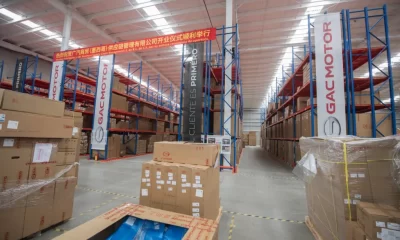
GAC Motor México Inaugura Nuevo Centro de Distribución de Autopartes y Refacciones para Mejorar la Experiencia del Cliente

Conmemorando al Ford Maverick 1973: Un Ícono de la Era Automotriz

Reseña del GAC GN8 2024: Un Lujoso y Controversial Ingreso al Mercado Mexicano
-
 Noticias2 años ago
GAC Motor México Inaugura Nuevo Centro de Distribución de Autopartes y Refacciones para Mejorar la Experiencia del Cliente
-
 Clásicos2 años ago
Conmemorando al Ford Maverick 1973: Un Ícono de la Era Automotriz
-
 Opinión2 años ago
Reseña del GAC GN8 2024: Un Lujoso y Controversial Ingreso al Mercado Mexicano
-

 Noticias2 años ago
Inauguración de la Agencia GAC en Puerto Vallarta: Un Nuevo Horizonte Automotriz
-

 Noticias2 años ago
Geely Starray 2024: Innovación y Estilo Futurista en el Mercado Mexicano
-

 Opinión2 años ago
GAC EMZOOM 2024 – Un Futuro Brillante para el Mercado Mexicano
-

 Noticias2 años ago
Intento de Compra Fraudulenta en Sitio Web de Mazda Desencadena Acción Legal
-

 Noticias2 años ago
Los Impuestos al Comprar un Auto en México: ¿Una Carga Innecesaria o Una Contribución Justa?