
Reseñas
सर्दीयों की शांत झीलें ice fishing game के साथ मनोरंजन का नया आयाम प्रदान करती हैं

- सर्दीयों की शांत झीलें ice fishing game के साथ मनोरंजन का नया आयाम प्रदान करती हैं
- बर्फ पर मछली पकड़ने के लिए आवश्यक उपकरण
- सुरक्षा उपकरण और कपड़े
- मछली पकड़ने के लिए सही जगह का चुनाव
- स्थानीय ज्ञान और मछली की प्रजातियाँ
- मछली पकड़ने की तकनीकें
- जिगिंग और ड्रॉप-शॉटिंग
- सुरक्षा सावधानियां
- बर्फ पर मछली पकड़ने का अनुभव
सर्दीयों की शांत झीलें ice fishing game के साथ मनोरंजन का नया आयाम प्रदान करती हैं
सर्दी के मौसम में, जब झीलें बर्फ से जम जाती हैं, तो ice fishing game एक रोमांचक और शांत अनुभव प्रदान करता है। यह एक ऐसा खेल है जो प्रकृति प्रेमियों और धैर्यवान व्यक्तियों को आकर्षित करता है। बर्फ की मोटी परत के नीचे छिपे मछलियों को पकड़ने का यह तरीका न केवल मनोरंजक है, बल्कि यह एक सामुदायिक गतिविधि भी है जो लोगों को एक साथ लाती है।
यह खेल उन लोगों के लिए भी एक शानदार अवसर है जो शहर की भागदौड़ भरी जिंदगी से दूर, शांति और सुकून की तलाश में हैं। बर्फ से ढकी झीलें एक अद्भुत दृश्य प्रस्तुत करती हैं, और मछलियों को पकड़ने की प्रक्रिया ध्यान केंद्रित करने और धैर्य रखने का अभ्यास कराती है। ice fishing game आपको प्रकृति के करीब लाता है और आपको एक अनूठा अनुभव प्रदान करता है जिसे आप कभी नहीं भूलेंगे।
बर्फ पर मछली पकड़ने के लिए आवश्यक उपकरण
बर्फ पर मछली पकड़ने के लिए उचित उपकरणों का होना बहुत महत्वपूर्ण है ताकि आप सुरक्षित और सफल हो सकें। सबसे पहले, आपको बर्फ ड्रिल की आवश्यकता होगी, जिसका उपयोग झील में छेद करने के लिए किया जाता है। छेद का आकार आपकी मछली पकड़ने की रणनीति और लक्षित मछली की प्रजाति पर निर्भर करेगा। एक अच्छी गुणवत्ता वाली बर्फ ड्रिल आपको आसानी से और कुशलता से छेद करने में मदद करेगी, जिससे आपका समय और ऊर्जा बचेगी। सुरक्षा के लिए, बर्फ की मोटाई को मापने के लिए एक बर्फ औगर या बर्फ की जांच का उपयोग करना आवश्यक है। सुनिश्चित करें कि बर्फ कम से कम 4 इंच मोटी हो ताकि आप सुरक्षित रूप से चल सकें।
सुरक्षा उपकरण और कपड़े
सुरक्षा हमेशा प्राथमिकता होनी चाहिए, इसलिए बर्फ पर जाने से पहले सुनिश्चित करें कि आपके पास आवश्यक सुरक्षा उपकरण हैं। इसमें एक लाइफ जैकेट या फ्लोटेशन सूट शामिल है, जो आपको बर्फ में गिरने की स्थिति में पानी में तैरने में मदद करेगा। इसके अतिरिक्त, एक रस्सी और कुछ बर्फ की पकड़ आपके लिए उपयोगी हो सकती है यदि आप फिसलन वाली सतह पर संतुलन खो देते हैं। गर्म कपड़े पहनना भी महत्वपूर्ण है, क्योंकि बर्फ पर तापमान बहुत कम हो सकता है। जलरोधी और हवा प्रतिरोधी जैकेट और पैंट चुनें, और गर्म मोज़े, दस्ताने और टोपी पहनें। कई परतों में कपड़े पहनना आपको तापमान बदलने पर समायोजित करने में मदद करेगा।
| उपकरण | महत्व |
|---|---|
| बर्फ ड्रिल | झील में छेद करने के लिए |
| बर्फ औगर/जांच | बर्फ की मोटाई मापने के लिए |
| लाइफ जैकेट | सुरक्षा के लिए |
| रस्सी | बर्फ पर संतुलन खोने पर मदद के लिए |
उपरोक्त उपकरणों के साथ, अपनी मछली पकड़ने की छड़ी, रेखा, हुक और चारा को भी पैक करना न भूलें। विभिन्न प्रकार के चारा का उपयोग करना उपयोगी हो सकता है ताकि आप विभिन्न प्रकार की मछलियों को आकर्षित कर सकें। एक छोटा सा प्राथमिक चिकित्सा किट और एक आपातकालीन किट भी आपके साथ होना चाहिए ताकि आप किसी भी अप्रत्याशित स्थिति से निपटने के लिए तैयार रहें।
मछली पकड़ने के लिए सही जगह का चुनाव
बर्फ पर मछली पकड़ने के लिए सही जगह का चुनाव सफलता की कुंजी है। आपको उन क्षेत्रों की तलाश करनी चाहिए जहाँ मछलियाँ आमतौर पर पाई जाती हैं। यह झील के किनारे, गहरी खाई, या संरचनाओं जैसे कि चट्टानों या पेड़ों के पास हो सकता है। मछली के स्थानीय ज्ञान के लिए स्थानीय मछली पकड़ने की दुकानों या अनुभवी मछुआरों से परामर्श करना भी एक अच्छा विचार है। वे आपको बता सकते हैं कि कौन से क्षेत्र सबसे अच्छे हैं और किस प्रकार के चारा का उपयोग करना सबसे प्रभावी है।
स्थानीय ज्ञान और मछली की प्रजातियाँ
विभिन्न प्रकार की मछलियाँ विभिन्न प्रकार के आवासों को पसंद करती हैं। उदाहरण के लिए, ट्राउट आमतौर पर ठंडे, साफ पानी में पाई जाती है, जबकि बास गर्म पानी में पाई जाती है। इसलिए, यह महत्वपूर्ण है कि आप उस मछली की प्रजाति को जानें जिसे आप लक्षित कर रहे हैं और उसके पसंदीदा आवास की तलाश करें। स्थानीय मछली पकड़ने के नियमों और विनियमों से अवगत होना भी महत्वपूर्ण है। कुछ क्षेत्रों में मछली पकड़ने के लिए परमिट की आवश्यकता हो सकती है, और कुछ प्रजातियों को पकड़ने पर प्रतिबंध हो सकता है। इन नियमों का पालन करने से आप यह सुनिश्चित कर सकते हैं कि आप कानूनी रूप से और जिम्मेदारी से मछली पकड़ रहे हैं।
- झील के किनारे की तलाश करें जहां मछलियाँ अक्सर भोजन की तलाश में आती हैं।
- गहरी खाई और संरचनाओं पर ध्यान दें, जहां मछलियाँ छिपने और शिकार करने के लिए जाती हैं।
- स्थानीय मछली पकड़ने की दुकानों या अनुभवी मछुआरों से सलाह लें।
- मछली पकड़ने के स्थानीय नियमों और विनियमों का पालन करें।
सही स्थान खोजने के बाद, बर्फ पर एक आरामदायक और सुरक्षित जगह स्थापित करना महत्वपूर्ण है। अपने बर्फ ड्रिल का उपयोग करके कई छेद करें, ताकि आप विभिन्न गहराई और स्थानों पर मछली पकड़ सकें। एक बर्फ आश्रय आपको हवा और बर्फ से बचाने में मदद कर सकता है, और एक कुर्सी या स्टूल आपको आराम से बैठने और मछली पकड़ने का आनंद लेने देगा।
मछली पकड़ने की तकनीकें
बर्फ पर मछली पकड़ने के लिए कई अलग-अलग तकनीकें हैं जिनका उपयोग किया जा सकता है। सबसे आम तकनीकों में से एक जिगिंग है, जिसमें एक लंबवत दिशा में एक चारा को ऊपर और नीचे हिलाना शामिल है। यह चारा को अधिक आकर्षक बनाता है और मछलियों को आकर्षित करने में मदद करता है। एक अन्य तकनीक ड्रॉप-शॉटिंग है, जिसमें एक चारा को रेखा के अंत में बांधना और उसे छेद में नीचे छोड़ना शामिल है। यह तकनीक उन मछलियों के लिए प्रभावी हो सकती है जो नीचे छिपी हुई हैं।
जिगिंग और ड्रॉप-शॉटिंग
जिगिंग करते समय, यह महत्वपूर्ण है कि आप अपनी रेखा को कसकर रखें और अपने चारा को धीरे-धीरे और लगातार हिलाएं। यदि आपको कोई खिंचाव महसूस होता है, तो तुरंत हुक सेट करें। ड्रॉप-शॉटिंग करते समय, अपनी रेखा को थोड़ा ढीला रखें ताकि चारा स्वतंत्र रूप से तैर सके। यदि आपको कोई खिंचाव महसूस होता है, तो धीरे से हुक सेट करें। इसके अतिरिक्त, आप एक टिप-अप का उपयोग कर सकते हैं, जो एक स्वचालित मछली पकड़ने का उपकरण है जो आपको तब संकेत देता है जब कोई मछली आपके चारा पर हमला करती है। टिप-अप का उपयोग करना आसान है और यह उन लोगों के लिए एक अच्छा विकल्प है जो एक साथ कई छड़ें रखना चाहते हैं।
- बर्फ पर कई छेद ड्रिल करें।
- जिगिंग या ड्रॉप-शॉटिंग जैसी अपनी पसंदीदा तकनीक का उपयोग करें।
- अपनी रेखा को कसकर रखें और किसी भी खिंचाव पर ध्यान दें।
- तुरंत हुक सेट करें।
मछली पकड़ने की सफलता के लिए धैर्य महत्वपूर्ण है। कभी-कभी मछलियाँ जल्दी से हमला कर सकती हैं, जबकि अन्य बार उन्हें आकर्षित करने में घंटों लग सकते हैं। हार न मानें और प्रयोग करते रहें विभिन्न तकनीकों और चारा के साथ तब तक जब तक आपको सफलता न मिल जाए।
सुरक्षा सावधानियां
बर्फ पर मछली पकड़ते समय सुरक्षा हमेशा प्राथमिकता होनी चाहिए। बर्फ में गिरने का खतरा हमेशा बना रहता है, इसलिए यह महत्वपूर्ण है कि आप उचित सावधानी बरतें। हमेशा बर्फ की मोटाई को मापें और केवल तभी चलें जब यह कम से कम 4 इंच मोटी हो। दो लोगों के साथ यात्रा करना भी एक अच्छा विचार है, ताकि यदि कोई दुर्घटना होती है तो एक दूसरे की मदद कर सकें। अपने साथ एक सेल फोन या दो-तरफा रेडियो रखें ताकि आप आपात स्थिति में सहायता के लिए कॉल कर सकें।
बर्फ पर मछली पकड़ने का अनुभव
ice fishing game न केवल मछली पकड़ने के बारे में है, बल्कि यह एक समग्र अनुभव है जो आपको प्रकृति के करीब लाता है और आपको शांति और सुकून प्रदान करता है। बर्फ से ढकी झीलें एक अद्भुत दृश्य प्रस्तुत करती हैं, और मछलियों को पकड़ने की प्रक्रिया ध्यान केंद्रित करने और धैर्य रखने का अभ्यास कराती है। अपने दोस्तों और परिवार के साथ ice fishing game का आनंद लें और प्रकृति की सुंदरता का आनंद लें। यह एक ऐसा अनुभव है जो आपको जीवन भर याद रहेगा।
बर्फ पर मछली पकड़ना एक रोमांचक और पुरस्कृत अनुभव हो सकता है, लेकिन यह महत्वपूर्ण है कि आप उचित तैयारी करें और सुरक्षा सावधानी बरतें। सही उपकरणों, सही जगह और सही तकनीकों के साथ, आप एक सफल और सुखद मछली पकड़ने की यात्रा का आनंद ले सकते हैं। और याद रखें, धैर्य रखें और प्रकृति की सुंदरता का आनंद लें।
- Significant innovations surrounding aviamasters empower cutting edge aerial solutions
- Advancements in Payload Technology for Aerial Platforms
- The Role of Data Processing and Analytics
- The Evolution of Flight Control Systems and Autonomy
- Addressing Safety and Regulatory Concerns
- The Impact of 5G Connectivity on Aerial Operations
- Future Trends and Emerging Applications
- Expanding the Horizons of Aerial Data Utilization
Significant innovations surrounding aviamasters empower cutting edge aerial solutions
The realm of aerial technology is undergoing a rapid transformation, fueled by continuous innovation and increasingly sophisticated systems. Central to this evolution are developments surrounding specialized entities known as aviamasters – organizations and individuals dedicated to the mastery of aerial platforms, encompassing drones, remotely piloted aircraft, and increasingly, advanced air mobility solutions. These advancements aren’t simply about improved hardware; they represent a fundamental shift in how we approach aerial data acquisition, inspection, surveillance, transport, and even entertainment. The increasing accessibility and capability of these technologies are opening up new possibilities across a multitude of industries.
From precision agriculture and infrastructure inspection to search and rescue operations and cinematic videography, the applications seem limitless. The emergence of sophisticated flight control systems, improved battery technology, and increasingly powerful sensors are all contributing to the enhanced performance and operational safety of aerial vehicles. Furthermore, the growing focus on autonomous flight and artificial intelligence promises to further revolutionize the field, making complex aerial tasks simpler, more efficient, and less reliant on direct human control. The future of aerial solutions is inextricably linked to the expertise and innovation of these dedicated professionals and organizations.
Advancements in Payload Technology for Aerial Platforms
One of the most significant areas of progress within the field lies in the development of increasingly advanced payload technologies. Early aerial platforms were largely limited by the weight and capabilities of the sensors and equipment they could carry. Now, however, miniaturization and improved power efficiency are enabling the integration of highly sophisticated payloads, dramatically expanding the range of applications. We’re seeing significant strides in LiDAR technology, allowing for the creation of detailed 3D models of landscapes and infrastructure with unprecedented accuracy. Hyperspectral imaging is also becoming more common, offering the ability to analyze the spectral characteristics of surfaces to identify subtle differences that are invisible to the naked eye. This is particularly valuable in agriculture for assessing crop health and in environmental monitoring for detecting pollution.
The integration of high-resolution thermal cameras is another critical advancement. These cameras allow for the detection of heat signatures, a capability with applications spanning from building energy audits – identifying areas of heat loss – to search and rescue operations, locating individuals in low-visibility conditions. Moreover, the development of specialized payloads tailored to specific industries is accelerating. Examples include magnetic anomaly detectors for pipeline inspection and gas leak detectors for environmental monitoring. These tailored solutions highlight the adaptability and versatility of modern aerial platforms. The ability to customize the payload configuration is becoming a key differentiator in the market, allowing operators to address highly specific client needs.
The Role of Data Processing and Analytics
However, the value of advanced payloads isn't realized solely through the data they collect. The true power lies in the ability to process and analyze this data effectively. Sophisticated software algorithms are now capable of automatically extracting meaningful insights from vast amounts of aerial data. This includes object recognition, change detection, and predictive modeling. For instance, algorithms can automatically identify defects in bridges or power lines from aerial imagery, alerting maintenance crews to potential problems before they escalate. Similarly, machine learning models can be trained to predict crop yields based on spectral data, helping farmers optimize their irrigation and fertilization strategies.
The rise of cloud computing and edge computing is further enhancing data processing capabilities. Edge computing enables data to be processed directly on the aerial platform, reducing latency and bandwidth requirements. This is particularly crucial for real-time applications such as autonomous flight and emergency response. Cloud computing provides access to vast computational resources and sophisticated analytical tools, enabling the processing of large datasets and the development of complex models. The convergence of these technologies is driving a new era of data-driven decision-making across a wide range of industries.
| Payload Type | Typical Applications |
|---|---|
| RGB Camera | Mapping, surveying, visual inspection, orthomosaics |
| LiDAR | 3D modeling, forestry, infrastructure assessment |
| Thermal Camera | Building inspections, search and rescue, wildlife monitoring |
| Hyperspectral Sensor | Precision agriculture, environmental monitoring, mineral exploration |
The ongoing development of sensor fusion techniques – combining data from multiple sensors – holds immense potential for further enhancing the accuracy and reliability of aerial data analysis. By integrating data from different sources, it's possible to create a more comprehensive and nuanced understanding of the environment.
The Evolution of Flight Control Systems and Autonomy
The sophistication of flight control systems has dramatically increased in recent years, moving beyond simple remote control to embrace advanced features such as GPS-based navigation, obstacle avoidance, and autonomous flight modes. Modern drones and aerial vehicles are equipped with inertial measurement units (IMUs), barometers, and magnetometers, providing highly accurate positioning and orientation data. This allows for stable and precise flight even in challenging conditions. The development of robust and reliable obstacle avoidance systems is crucial for ensuring safe operation in complex environments. These systems typically employ a combination of sensors, including LiDAR, radar, and computer vision, to detect and avoid obstacles in real-time. This is particularly important for applications such as infrastructure inspection, where vehicles may need to navigate close to buildings or other structures.
The trend towards greater autonomy is arguably the most transformative development in the field. Automated flight planning and execution can significantly reduce pilot workload and improve operational efficiency. Autonomous drones are already being used for a variety of tasks, including package delivery, agricultural spraying, and pipeline monitoring. However, achieving full autonomy – the ability for a vehicle to operate safely and reliably without any human intervention – remains a significant challenge. It requires overcoming complex technical hurdles related to perception, decision-making, and real-time control. Regulatory frameworks also need to evolve to accommodate the widespread adoption of autonomous aerial systems.
Addressing Safety and Regulatory Concerns
The increasing prevalence of drones and other aerial vehicles has raised legitimate concerns about safety and security. Ensuring the safe operation of these platforms requires a multi-faceted approach, encompassing robust regulations, pilot training, and technological solutions. Regulatory bodies around the world are working to develop comprehensive frameworks that address issues such as airspace management, operator certification, and data privacy. Pilot training programs are becoming increasingly standardized, focusing on flight proficiency, airspace awareness, and emergency procedures.
Technological solutions, such as remote identification and geofencing, are also playing a critical role in enhancing safety and security. Remote identification allows authorities to track and identify drones in flight, while geofencing establishes virtual boundaries that prevent vehicles from entering restricted areas. Ultimately, a collaborative effort between regulators, industry stakeholders, and the public is essential to ensure that the benefits of aerial technology are realized without compromising safety or privacy.
- Improved battery technology enables longer flight times.
- Advanced sensor integration provides richer data collection.
- Sophisticated software facilitates automated data analysis.
- Robust regulatory frameworks are essential for safe operation.
- The demand for skilled professionals is rapidly increasing.
The growth in the aerial technology sector is directly correlated with the development of skilled professionals capable of operating, maintaining, and analyzing data from these complex systems. Educational institutions and training providers are responding to this demand by offering specialized programs in drone piloting, data analytics, and aerospace engineering.
The Impact of 5G Connectivity on Aerial Operations
The rollout of 5G cellular networks is poised to have a significant impact on aerial operations. 5G offers substantially higher bandwidth and lower latency compared to previous generations of cellular technology, enabling real-time data transmission and enhanced control over aerial vehicles. This is particularly important for applications that require high-speed data streaming, such as live video surveillance and remote piloting of drones. 5G connectivity also facilitates the development of more sophisticated autonomous systems, as it enables vehicles to access real-time information about their surroundings and make informed decisions. The ability to transmit data reliably and securely over a 5G network is crucial for ensuring the safety and efficiency of aerial operations.
Moreover, 5G's network slicing capabilities allow for the creation of dedicated virtual networks tailored to the specific needs of different applications. This can be particularly valuable for critical infrastructure, such as airports and power plants, where reliable connectivity is paramount. The integration of 5G with edge computing further enhances the capabilities of aerial systems, enabling data to be processed locally and reducing the reliance on cloud connectivity. This is particularly important in areas with limited or unreliable internet access.
- Establish clear regulatory guidelines for drone operations.
- Develop standardized pilot training programs.
- Invest in research and development of advanced sensor technologies.
- Promote collaboration between industry stakeholders and regulators.
- Address public concerns about safety and privacy.
The future is bright for those entities that master this technology. Continued investment in research and development will drive further innovation, expanding the range of applications and improving the performance of aerial platforms. The growth of this industry will likely create a substantial number of new jobs, contributing to economic growth and societal benefit.
Future Trends and Emerging Applications
Beyond the established applications, several emerging trends are shaping the future of aerial solutions. Urban Air Mobility (UAM), often referred to as “flying cars,” is gaining momentum as a potential solution to urban congestion. While significant challenges remain in terms of safety, infrastructure, and regulation, the potential benefits are substantial. The development of eVTOL (electric vertical takeoff and landing) aircraft is a key enabler of UAM, offering a quieter, cleaner, and more efficient alternative to traditional helicopters. Another exciting development is the use of drones for environmental monitoring and conservation. Drones can be used to track wildlife populations, assess deforestation rates, and monitor pollution levels with unprecedented accuracy.
Precision agriculture is also benefiting from ongoing innovation. Drones equipped with multispectral cameras can provide farmers with detailed insights into crop health, allowing them to optimize irrigation, fertilization, and pest control strategies. These insights can lead to increased yields, reduced costs, and more sustainable farming practices. The convergence of artificial intelligence and aerial technology is driving the development of increasingly autonomous systems, capable of performing complex tasks with minimal human intervention. This trend is likely to accelerate in the coming years, further transforming the landscape of aerial solutions.
Expanding the Horizons of Aerial Data Utilization
The continued refinement of data analytics, coupled with increased computational power, points towards a near future where aerial data isn't simply collected, but actively used to predict and prevent problems. Consider the realm of predictive maintenance for critical infrastructure. By continuously monitoring structures like bridges and power lines with aerial platforms, algorithms can identify subtle indicators of potential failure – microscopic cracks, changes in strain – long before they become visible to the naked eye or detectable by traditional inspection methods. This allows for proactive repairs, minimizing downtime and avoiding costly disasters. This predictive capability extends beyond physical infrastructure as well.
In agriculture, for example, aerial data combined with sophisticated forecasting models could provide farmers with precise recommendations on planting schedules, fertilizer application rates, and even potential disease outbreaks. Imagine a scenario where a drone detects a localized pest infestation in a field and automatically recommends a targeted pesticide application, minimizing the environmental impact compared to broad-spectrum spraying. This level of precision and responsiveness is only possible through the continued integration of advanced aerial technologies and data-driven insights. The organizations and expertise embodied by skilled aviamasters will be pivotal in unlocking these opportunities, guaranteeing safe, efficient, and beneficial application of these innovative solutions.
- Intéressantes formations et aviamasters pour un avenir dans laviation civile et militaire
- Les différentes filières de formation dans le secteur aéronautique
- Les écoles et organismes de formation reconnus
- Les compétences clés pour réussir dans l'aviation
- L'importance de la formation continue et de l'adaptation
- Les opportunités de carrière dans l'aviation militaire
- Les exigences et les avantages de la carrière militaire
- Le futur de la formation dans le secteur aéronautique
- L'essor des nouvelles technologies et leur impact sur les métiers
Intéressantes formations et aviamasters pour un avenir dans laviation civile et militaire
L'aviation, secteur en constante évolution, offre une multitude de carrières passionnantes et exigeantes. La formation des futurs professionnels de l'air est un enjeu majeur, et de nombreuses écoles et organismes se spécialisent dans ce domaine. Parmi les acteurs importants de cette formation, on trouve des entreprises comme aviamasters, qui proposent des programmes innovants et adaptés aux besoins du marché du travail. L'industrie aéronautique, qu'elle soit civile ou militaire, requiert des compétences pointues et une préparation rigoureuse.
Que vous rêviez de piloter un avion de ligne, de devenir contrôleur aérien, de travailler à la maintenance des appareils ou de contribuer à la conception des futurs avions, il existe un parcours de formation pour vous. La complexité croissante des systèmes aéronautiques exige une expertise technique de haut niveau, mais également des qualités humaines essentielles telles que la rigueur, la discipline et le sens des responsabilités. La formation continue est également cruciale pour rester à la pointe des dernières technologies et réglementations.
Les différentes filières de formation dans le secteur aéronautique
Le secteur aéronautique propose une variété impressionnante de métiers, chacun nécessitant une formation spécifique. On distingue principalement trois grandes filières : le pilotage, la maintenance et l'ingénierie. Le pilotage, tant civil que militaire, est une carrière prestigieuse qui demande une aptitude physique et mentale irréprochable. La formation de pilote comprend des cours théoriques approfondis, des entraînements pratiques sur simulateurs de vol et des heures de vol réelles encadrées par des instructeurs qualifiés. La maintenance aéronautique, quant à elle, assure la sécurité et la fiabilité des appareils en effectuant des inspections régulières, des réparations et des remplacements de pièces défectueuses. Les ingénieurs aéronautiques sont responsables de la conception, du développement et de la validation des nouveaux avions et systèmes embarqués.
Les écoles et organismes de formation reconnus
De nombreuses écoles et organismes de formation proposent des programmes de qualité dans le domaine de l'aéronautique. En France, l’École Nationale de l’Aviation Civile (ENAC) est une référence incontournable pour la formation des pilotes, des contrôleurs aériens et des ingénieurs aéronautiques. D’autres établissements privés, tels que les écoles de pilotage et les centres de formation professionnelle, offrent également des formations spécialisées. Il est important de choisir une école ou un organisme reconnu par les autorités compétentes et qui dispose d'un partenariat avec des entreprises du secteur. En outre, certaines universités proposent des cursus d’ingénierie aéronautique de haut niveau, permettant aux étudiants d'acquérir une solide base scientifique et technique.
| Établissement | Type de Formation |
|---|---|
| ENAC | Pilote, Contrôleur Aérien, Ingénieur Aéronautique |
| École Nationale Supérieure de l'Aéronautique et de l'Espace (SUPAERO) | Ingénieur Aéronautique et Spatial |
| Ecoles de Pilotage Privées | Pilote de ligne, Pilote Privé |
La sélection de l'établissement doit prendre en compte vos objectifs de carrière, vos aptitudes et vos contraintes financières. Il est recommandé de visiter les écoles lors des journées portes ouvertes et de rencontrer les anciens élèves pour recueillir leurs témoignages.
Les compétences clés pour réussir dans l'aviation
Outre les connaissances techniques spécifiques à chaque métier, certaines compétences transversales sont essentielles pour réussir dans l'aviation. La rigueur et la discipline sont primordiales pour garantir la sécurité des vols et la maintenance des appareils. La capacité à travailler en équipe est également cruciale, car la plupart des opérations aéronautiques impliquent la collaboration de nombreux professionnels. La communication est une compétence essentielle pour assurer une coordination efficace entre les différents acteurs (pilotes, contrôleurs aériens, personnel de maintenance…). La gestion du stress et la prise de décision rapide sont également des qualités indispensables, notamment pour les pilotes et les contrôleurs aériens qui doivent faire face à des situations imprévues. Enfin, la maîtrise de l'anglais, langue officielle de l'aviation internationale, est indispensable pour communiquer avec les autres professionnels du monde entier.
L'importance de la formation continue et de l'adaptation
Le secteur aéronautique est en constante évolution, avec l'introduction de nouvelles technologies et de nouvelles réglementations. Il est donc impératif de se former continuellement pour rester à la pointe des dernières avancées et maintenir ses compétences à niveau. De nombreuses entreprises proposent des formations continues à leurs employés, tandis que les écoles et organismes de formation offrent des cours de remise à niveau et de spécialisation. La capacité à s'adapter aux changements et à apprendre tout au long de sa carrière est un atout majeur pour réussir dans ce secteur dynamique. Les certifications et les habilitations sont également importantes pour prouver ses compétences et sa conformité aux normes de sécurité.
- Rigueur et discipline
- Capacité à travailler en équipe
- Communication efficace
- Gestion du stress
- Maîtrise de l'anglais
- Adaptabilité et formation continue
L’investissement dans la formation continue est un gage de professionnalisme et d’évolution de carrière dans le domaine de l’aéronautique.
Les opportunités de carrière dans l'aviation militaire
L'aviation militaire offre des opportunités de carrière variées et stimulantes, allant du pilotage de chasseurs à la maintenance des hélicoptères en passant par le contrôle aérien et l'ingénierie. Les exigences sont élevées, mais les perspectives sont intéressantes pour ceux qui sont prêts à s'engager et à servir leur pays. La formation militaire est particulièrement exigeante, avec une préparation physique et mentale intense. Les pilotes militaires suivent une formation spécifique qui les prépare à voler dans des conditions difficiles et à effectuer des missions complexes. Le personnel de maintenance est chargé d'assurer la disponibilité et la fiabilité des appareils militaires, tandis que les contrôleurs aériens surveillent l'espace aérien et guident les avions en toute sécurité. L'aviation militaire offre également des opportunités de carrière dans le domaine de la recherche et du développement, où les ingénieurs et les scientifiques travaillent à la conception de nouveaux systèmes et technologies.
Les exigences et les avantages de la carrière militaire
Pour intégrer l'aviation militaire, il est nécessaire de satisfaire à des critères de sélection stricts, notamment en termes d'aptitude physique, de niveau d'études et de motivation. Les candidats doivent également réussir des tests psychologiques et des entretiens de sélection. Les avantages de la carrière militaire sont nombreux : stabilité de l'emploi, rémunération attractive, possibilité de voyager et de se former à des métiers passionnants. Cependant, la vie militaire implique également des contraintes importantes, telles que la disponibilité permanente, les déplacements fréquents et le risque de participer à des opérations extérieures. L’engagement envers le service national et la discipline sont des éléments fondamentaux.
- Réussite des tests d'aptitude
- Exigences physiques strictes
- Formation intensive
- Engagement envers le service national
- Disponibilité et mobilité
L’aviation militaire est une voie exigeante mais enrichissante pour ceux qui aspirent à servir leur pays et à relever des défis exceptionnels.
Le futur de la formation dans le secteur aéronautique
Le secteur aéronautique est en pleine mutation, avec l'émergence de nouvelles technologies telles que les drones, l’aviation électrique et l'intelligence artificielle. Ces innovations nécessitent de nouvelles compétences et une adaptation des programmes de formation. La formation à la maintenance des drones, par exemple, est en forte demande, car le nombre d'applications de ces engins aériens sans pilote ne cesse de croître. L'aviation électrique représente également un défi majeur, car elle nécessite une nouvelle expertise en matière de propulsion, de stockage d'énergie et de gestion de la sécurité. L'intelligence artificielle (IA) est de plus en plus utilisée dans l'aviation, notamment pour l’optimisation des vols, la prédiction des pannes et l’assistance aux pilotes. La formation des futurs professionnels de l'air doit intégrer ces nouvelles technologies et préparer les étudiants à relever les défis de demain.
L'utilisation de la réalité virtuelle et de la réalité augmentée dans la formation est également en plein essor. Ces technologies permettent de créer des simulations immersives et réalistes, qui facilitent l'apprentissage et l'acquisition de compétences. L’enseignement à distance et les plateformes d’apprentissage en ligne offrent également de nouvelles opportunités de formation, permettant aux étudiants d'accéder à des cours de qualité depuis n'importe où dans le monde. La collaboration entre les écoles, les entreprises et les organismes de recherche est essentielle pour assurer l'adéquation entre la formation et les besoins du marché du travail. L’émergence de nouveaux acteurs, comme aviamasters, contribue à dynamiser le secteur de la formation aéronautique.
L'essor des nouvelles technologies et leur impact sur les métiers
L'intégration croissante de l'automatisation et de l'intelligence artificielle dans l'aviation transforme en profondeur les métiers. Si certains postes traditionnels peuvent évoluer ou disparaître, de nouvelles opportunités émergent, nécessitant des compétences en programmation, en analyse de données et en gestion de systèmes complexes. Les compétences en cybersécurité deviennent également cruciales pour protéger les avions et les infrastructures aéroportuaires contre les menaces informatiques. La maintenance prédictive, basée sur l'analyse des données des capteurs embarqués, permet d'anticiper les pannes et de réduire les coûts de maintenance. Le rôle des pilotes évolue également, avec l'arrivée des systèmes d'assistance au pilotage et l'automatisation de certaines tâches. La capacité à collaborer avec des machines intelligentes et à interpréter les données fournies par les systèmes d'IA devient un atout majeur pour les professionnels de l'aviation.
L'adaptation à ces changements nécessite un investissement continu dans la formation et le développement des compétences. Les écoles et les organismes de formation doivent proposer des programmes adaptés aux besoins du marché du travail et préparer les étudiants aux défis de l'avenir. L’acquisition de compétences transversales, telles que la pensée critique, la résolution de problèmes et la créativité, est également essentielle pour réussir dans un environnement en constante évolution. La formation axée sur les compétences, plutôt que sur les connaissances théoriques, est de plus en plus privilégiée. L'exemple de aviamasters montre l'importance de l'innovation pédagogique et de l'adaptation aux nouvelles technologies dans le secteur de la formation aéronautique.
Reseñas
Pengalaman mendebarkan dari petualangan slot online hingga gates of olympus 1000 demo yang tak terlupakan
- Pengalaman mendebarkan dari petualangan slot online hingga gates of olympus 1000 demo yang tak terlupakan
- Mengulas Fitur Unggulan Gates of Olympus
- Mekanisme Multiplier
- Strategi Bermain Gates of Olympus
- Mengelola Bankroll
- Perbedaan Demo dan Game Asli
- RTP dan Volatilitas
- Tips Tambahan untuk Pemain
- Masa Depan Gates of Olympus
Pengalaman mendebarkan dari petualangan slot online hingga gates of olympus 1000 demo yang tak terlupakan
Apakah Anda mencari pengalaman mendebarkan dalam dunia perjudian daring? Game slot online telah menjadi semakin populer dalam beberapa tahun terakhir, menawarkan berbagai macam tema dan fitur menarik. Salah satunya adalah gates of olympus 1000 demo yang menawarkan sensasi bermain yang berbeda dan kesempatan untuk memenangkan hadiah besar.
Game slot Gates of Olympus telah menarik perhatian banyak pemain karena mekanisme uniknya dan potensi kemenangan yang tinggi. Dalam versi demo, pemain dapat merasakan pengalaman bermain tanpa risiko kehilangan uang sungguhan. Ini adalah cara yang bagus untuk mempelajari aturan permainan dan mengembangkan strategi sebelum bertaruh dengan uang sungguhan.
Mengulas Fitur Unggulan Gates of Olympus
Gates of Olympus adalah game slot dengan tema mitologi Yunani Kuno. Simbol-simbol yang digunakan dalam game ini termasuk petir, mahkota, buku, permata, dan wadah anggur. Fitur utama dari game ini adalah fitur tumble, yang menggantikan simbol-simbol yang menang dengan simbol-simbol baru secara acak. Hal ini dapat menyebabkan reaksi berantai kemenangan yang terus berlanjut hingga tidak ada kombinasi kemenangan yang tersedia lagi.
Mekanisme Multiplier
Selain fitur tumble, Gates of Olympus juga memiliki fitur multiplier. Setiap kali kemenangan terjadi, multiplier akan meningkat. Multiplier ini dapat mencapai 5x, 10x, 20x, hingga 50x atau lebih, tergantung pada jumlah simbol kemenangan yang terlibat. Fitur multiplier ini meningkatkan potensi kemenangan secara signifikan dan membuat game ini semakin menarik.
| Simbol | Nilai |
|---|---|
| Petir | 100x taruhan |
| Mahkota | 75x taruhan |
| Buku | 50x taruhan |
| Permata | 25x taruhan |
| Wadah Anggur | 10x taruhan |
Tabel di atas menunjukkan nilai simbol-simbol dalam game Gates of Olympus. Semakin banyak simbol yang sama dalam kombinasi kemenangan, semakin besar hadiah yang didapatkan.
Strategi Bermain Gates of Olympus
Meskipun Gates of Olympus adalah game yang berbasis keberuntungan, ada beberapa strategi yang dapat Anda gunakan untuk meningkatkan peluang kemenangan Anda. Pertama, penting untuk memahami aturan permainan dan fitur-fiturnya secara menyeluruh. Kedua, Anda dapat mencoba bertaruh dengan jumlah yang lebih tinggi untuk meningkatkan potensi kemenangan Anda. Namun, penting untuk diingat bahwa semakin tinggi taruhan Anda, semakin besar pula risiko Anda kehilangan uang.
Mengelola Bankroll
Salah satu strategi penting dalam bermain Gates of Olympus adalah mengelola bankroll Anda dengan bijak. Jangan bertaruh dengan uang yang tidak dapat Anda rugikan. Tetapkan batas maksimum untuk taruhan Anda dan patuhi batas tersebut. Jika Anda mengalami kekalahan beruntun, jangan mencoba untuk mengejar kekalahan Anda dengan bertaruh lebih banyak. Sebaliknya, berhenti bermain dan kembali lagi nanti ketika Anda sudah siap.
- Tetapkan batas waktu bermain
- Jangan terburu-buru dalam mengambil keputusan
- Pelajari pola pembayaran
- Manfaatkan fitur autoplay secara bijak
- Pahami risiko dan potensi kemenangan
Daftar di atas menunjukkan beberapa tips yang dapat membantu Anda bermain Gates of Olympus dengan lebih efektif dan bertanggung jawab.
Perbedaan Demo dan Game Asli
Meskipun gates of olympus 1000 demo menawarkan pengalaman bermain yang serupa dengan game aslinya, ada beberapa perbedaan penting yang perlu Anda ketahui. Pertama, versi demo tidak memungkinkan Anda untuk memenangkan uang sungguhan. Kedua, versi demo mungkin memiliki fitur-fitur yang berbeda atau pengaturan taruhan yang berbeda dari game aslinya. Ketiga, versi demo mungkin memiliki tingkat pengembalian ke pemain (RTP) yang berbeda dari game aslinya.
RTP dan Volatilitas
RTP adalah persentase dari semua taruhan yang dikembalikan kepada pemain dalam jangka panjang. Semakin tinggi RTP, semakin besar peluang Anda untuk menang. Volatilitas mengukur risiko yang terkait dengan game slot. Semakin tinggi volatilitas, semakin besar potensi kemenangan Anda, tetapi juga semakin besar risiko Anda kehilangan uang.
- Pahami RTP dan volatilitas game
- Pilih game yang sesuai dengan preferensi Anda
- Baca ulasan dari pemain lain
- Cobalah versi demo sebelum bertaruh dengan uang sungguhan
- Tetapkan batas untuk taruhan Anda
Daftar di atas berisi langkah-langkah yang dapat Anda ikuti untuk memilih game slot yang sesuai dengan kebutuhan dan preferensi Anda.
Tips Tambahan untuk Pemain
Selain strategi bermain dan perbedaan demo dan game asli, ada beberapa tips tambahan yang dapat Anda gunakan untuk meningkatkan pengalaman bermain Anda. Pertama, pastikan Anda bermain di situs web kasino online yang terpercaya dan memiliki lisensi yang valid. Kedua, baca syarat dan ketentuan sebelum Anda mulai bermain. Ketiga, gunakan koneksi internet yang stabil untuk menghindari masalah teknis.
Keempat, jangan percaya pada taktik atau strategi yang menjanjikan kemenangan pasti. Game slot adalah permainan yang berbasis keberuntungan, dan tidak ada cara untuk menjamin kemenangan Anda.
Masa Depan Gates of Olympus
Pengembang game terus berinovasi dan meningkatkan pengalaman bermain Gates of Olympus. Kami dapat mengharapkan fitur-fitur baru yang lebih menarik dan potensi kemenangan yang lebih besar di masa depan. Selain itu, kami juga dapat mengharapkan game ini tersedia di lebih banyak platform dan perangkat, sehingga pemain dapat menikmatinya di mana saja dan kapan saja.
Dengan popularitas yang terus meningkat, Gates of Olympus memiliki potensi untuk menjadi salah satu game slot paling populer di dunia dalam beberapa tahun ke depan. Bagi pemain yang mencari pengalaman bermain slot yang mendebarkan dan kesempatan untuk memenangkan hadiah besar, Gates of Olympus adalah pilihan yang sangat menarik.
सर्दीयों की शांत झीलें ice fishing game के साथ मनोरंजन का नया आयाम प्रदान करती हैं
Significant innovations surrounding aviamasters empower cutting edge aerial solutions
Intéressantes formations et aviamasters pour un avenir dans laviation civile et militaire

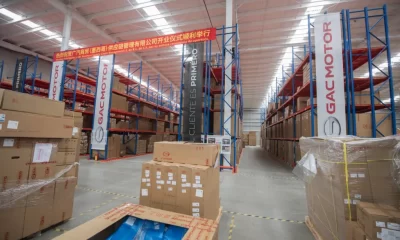
GAC Motor México Inaugura Nuevo Centro de Distribución de Autopartes y Refacciones para Mejorar la Experiencia del Cliente

Conmemorando al Ford Maverick 1973: Un Ícono de la Era Automotriz

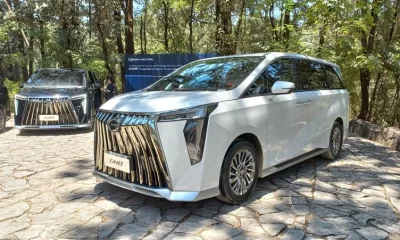
Reseña del GAC GN8 2024: Un Lujoso y Controversial Ingreso al Mercado Mexicano
-
 Noticias2 años ago
GAC Motor México Inaugura Nuevo Centro de Distribución de Autopartes y Refacciones para Mejorar la Experiencia del Cliente
-
 Clásicos2 años ago
Conmemorando al Ford Maverick 1973: Un Ícono de la Era Automotriz
-
 Opinión2 años ago
Reseña del GAC GN8 2024: Un Lujoso y Controversial Ingreso al Mercado Mexicano
-

 Noticias2 años ago
Inauguración de la Agencia GAC en Puerto Vallarta: Un Nuevo Horizonte Automotriz
-

 Noticias2 años ago
Geely Starray 2024: Innovación y Estilo Futurista en el Mercado Mexicano
-

 Opinión2 años ago
GAC EMZOOM 2024 – Un Futuro Brillante para el Mercado Mexicano
-

 Noticias2 años ago
Intento de Compra Fraudulenta en Sitio Web de Mazda Desencadena Acción Legal
-

 Noticias2 años ago
Los Impuestos al Comprar un Auto en México: ¿Una Carga Innecesaria o Una Contribución Justa?