
Reseñas
Sensibilité financière et thor-fortunes.fr, analysez vos perspectives davenir sereinement

- Sensibilité financière et thor-fortunes.fr, analysez vos perspectives davenir sereinement
- L'importance de la planification financière à long terme
- Les différents outils de planification financière
- Comprendre les marchés financiers
- Les différents types de marchés financiers
- La gestion du risque financier
- Les techniques de gestion du risque
- L'importance de la diversification des investissements
- Préparer l'avenir avec une vision claire
Sensibilité financière et thor-fortunes.fr, analysez vos perspectives davenir sereinement
Dans le monde actuel, la gestion financière personnelle est devenue une nécessité, et non un luxe. Beaucoup d'individus se sentent dépassés par la complexité des marchés financiers et l'incertitude économique. Il est donc crucial de disposer d'outils et de ressources fiables pour prendre des décisions éclairées concernant ses finances. C'est dans ce contexte que des plateformes comme thor-fortunes.fr se présentent comme des alliées potentielles, offrant des perspectives et des analyses pour aider chacun à naviguer avec plus de sérénité dans cet univers complexe.
Comprendre ses finances personnelles ne se limite pas à épargner ou à investir. Il s'agit d'une approche globale qui englobe la planification budgétaire, la gestion des dettes, la protection contre les risques financiers et la préparation de l'avenir. Les besoins et les objectifs financiers sont uniques à chaque individu, en fonction de son âge, de sa situation familiale, de ses aspirations et de sa tolérance au risque. Par conséquent, il est essentiel de trouver des solutions adaptées à sa propre situation et de ne pas se laisser influencer par des conseils généralistes ou des promesses irréalistes.
L'importance de la planification financière à long terme
La planification financière à long terme est une étape essentielle pour assurer sa sécurité financière et atteindre ses objectifs de vie. Cela implique de définir clairement ses priorités, d'évaluer sa situation financière actuelle et de mettre en place une stratégie d'investissement adaptée à son profil de risque et à ses échéances. Il est important de tenir compte de l'inflation, des impôts et des éventuels imprévus lors de l'élaboration de son plan financier. Une planification rigoureuse permet d'anticiper les besoins futurs, tels que l'achat d'une maison, les études des enfants ou la préparation de la retraite, et de se préparer financièrement en conséquence.
Les différents outils de planification financière
Il existe de nombreux outils à disposition pour faciliter la planification financière. Les tableurs, les applications de gestion de budget et les simulateurs de retraite sont autant d'options permettant de suivre ses dépenses, d'analyser ses revenus et de projeter sa situation financière future. Il est également possible de faire appel à un conseiller financier professionnel pour bénéficier d'un accompagnement personnalisé et d'un avis expert. Un conseiller peut aider à identifier les opportunités d'investissement, à optimiser sa fiscalité et à mettre en place une stratégie de gestion de patrimoine cohérente avec ses objectifs.
| Type d'investissement | Risque | Rendement potentiel | Horizon de placement |
|---|---|---|---|
| Actions | Élevé | Élevé | Long terme (plus de 5 ans) |
| Obligations | Modéré | Modéré | Moyen terme (2-5 ans) |
| Immobilier | Modéré à élevé | Modéré à élevé | Long terme (plus de 10 ans) |
| Livrets d'épargne | Faible | Faible | Court terme (moins de 2 ans) |
Le tableau ci-dessus illustre les différentes options d'investissement disponibles, avec leurs niveaux de risque et de rendement potentiel respectifs. Il est important de diversifier ses investissements pour réduire le risque global et maximiser les chances de succès à long terme.
Comprendre les marchés financiers
Les marchés financiers peuvent sembler intimidants pour les non-initiés, mais il est essentiel de comprendre leurs mécanismes de fonctionnement pour prendre des décisions d'investissement éclairées. Les marchés financiers sont des lieux d'échange où se rencontrent l'offre et la demande de titres financiers, tels que les actions, les obligations, les devises et les matières premières. Les prix de ces titres sont influencés par de nombreux facteurs, tels que les données macroéconomiques, les résultats des entreprises, les événements géopolitiques et le sentiment des investisseurs. Il est donc important de se tenir informé de l'actualité économique et financière pour anticiper les fluctuations des marchés et ajuster sa stratégie d'investissement en conséquence.
Les différents types de marchés financiers
Il existe différents types de marchés financiers, chacun ayant ses propres caractéristiques et ses propres règles. Le marché boursier est un marché réglementé où s'échangent les actions des sociétés cotées en bourse. Le marché obligataire est un marché où s'échangent les obligations émises par les États, les entreprises ou les collectivités locales. Le marché des changes est un marché où s'échangent les devises. Le marché des matières premières est un marché où s'échangent les matières premières, telles que le pétrole, l'or et le blé. Chaque marché présente des opportunités et des risques différents, et il est important de choisir ceux qui correspondent le mieux à ses objectifs et à sa tolérance au risque.
- Le marché boursier est propice aux investissements à long terme, mais il est également soumis à des fluctuations importantes.
- Le marché obligataire offre une alternative plus stable, mais avec des rendements généralement plus faibles.
- Le marché des changes est un marché très spéculatif, réservé aux investisseurs avertis.
- Le marché des matières premières peut servir de diversification, mais il est également soumis à des variations de prix importantes.
La diversification est la clé d'une stratégie d'investissement réussie. Il est important de répartir ses investissements sur différents types de marchés et de secteurs d'activité pour réduire le risque global.
La gestion du risque financier
La gestion du risque financier est un aspect crucial de la planification financière personnelle. Chaque investissement comporte un certain niveau de risque, et il est important d'évaluer ce risque avant de prendre une décision. Le risque peut être lié à la volatilité des marchés, à la solvabilité des émetteurs ou à la liquidité des actifs. Il est possible de réduire le risque en diversifiant ses investissements, en investissant sur des placements moins risqués ou en utilisant des instruments de couverture. Il est également important de tenir compte de sa propre tolérance au risque, c'est-à-dire sa capacité à supporter des pertes potentielles sans remettre en question ses objectifs financiers.
Les techniques de gestion du risque
Il existe plusieurs techniques de gestion du risque. La diversification consiste à répartir ses investissements sur différents types d'actifs pour réduire le risque global. La couverture consiste à utiliser des instruments financiers pour se protéger contre les fluctuations des marchés. L'allocation d'actifs consiste à déterminer la proportion de son portefeuille à investir dans chaque type d'actifs en fonction de son profil de risque et de ses objectifs financiers. L'analyse fondamentale et l'analyse technique sont des méthodes d'étude des marchés financiers qui permettent d'identifier les opportunités d'investissement et d'évaluer les risques. De plus, des sites comme thor-fortunes.fr peuvent offrir des ressources d'analyse et des perspectives précieuses.
- Diversifier ses investissements pour réduire le risque.
- Utiliser des instruments de couverture pour se protéger contre les fluctuations des marchés.
- Déterminer une allocation d'actifs adaptée à son profil de risque.
- Se tenir informé de l'actualité économique et financière.
Une approche prudente et éclairée de la gestion du risque est essentielle pour préserver son capital et atteindre ses objectifs financiers à long terme.
L'importance de la diversification des investissements
La diversification est un principe fondamental de la gestion de patrimoine. Elle consiste à répartir ses investissements sur différentes classes d'actifs (actions, obligations, immobilier, matières premières, etc.), différents secteurs d'activité et différentes zones géographiques. L'objectif est de réduire le risque global du portefeuille en limitant l'impact négatif d'une éventuelle baisse d'un actif particulier. En diversifiant ses investissements, on augmente ses chances de réaliser des rendements positifs sur le long terme, même en période de turbulences sur les marchés financiers. Ne pas mettre tous ses œufs dans le même panier est une règle d'or à suivre pour tout investisseur, qu'il soit débutant ou expérimenté.
La diversification ne se limite pas à la diversification des classes d'actifs. Il est également important de diversifier ses investissements au sein de chaque classe d'actifs. Par exemple, au lieu d'investir dans une seule action, il est préférable d'investir dans un large éventail d'actions de différentes entreprises et de différents secteurs. De même, au lieu d'investir dans une seule obligation, il est préférable d'investir dans un large éventail d'obligations de différentes émetteurs et de différentes échéances. Une diversification maximale permet de minimiser le risque et d'optimiser les rendements.
Préparer l'avenir avec une vision claire
L'investissement ne doit pas être perçu comme une course à la performance immédiate, mais comme un processus à long terme basé sur une vision claire de ses objectifs et de ses valeurs. Il est crucial de définir clairement ses priorités financières : l'achat d'une maison, les études des enfants, la préparation de la retraite, la création d'une entreprise, etc. Ces objectifs serviront de guide pour élaborer une stratégie d'investissement cohérente et adaptée à sa situation personnelle. Il est également important de revoir régulièrement son plan financier et de l'ajuster en fonction de l'évolution de ses objectifs, de sa situation financière et des conditions du marché. Être flexible et s'adapter aux changements est essentiel pour réussir son investissement sur le long terme.
Par exemple, une personne qui souhaite préparer sa retraite dans 20 ans aura une stratégie d'investissement différente d'une personne qui souhaite acheter une maison dans 5 ans. La première aura tendance à privilégier les investissements à long terme, tels que les actions et l'immobilier, tandis que la seconde aura tendance à privilégier les investissements plus sûrs et plus liquides, tels que les obligations et les livrets d'épargne. En tenant compte de ses objectifs et de son horizon de placement, on peut maximiser ses chances de succès et assurer sa sécurité financière future. Des ressources comme thor-fortunes.fr peuvent aider à clarifier ces approches.
Reseñas
Innovative Lösungen für Ihr Vermögen mit thor-fortunes.com.de und nachhaltiger Wertsteigerung
- Innovative Lösungen für Ihr Vermögen mit thor-fortunes.com.de und nachhaltiger Wertsteigerung
- Die Vielschichtigkeit moderner Vermögensverwaltung
- Die Rolle der Digitalisierung
- Individuelle Anlageportfolios und Risikomanagement
- Risikobewertung und -minimierung
- Nachhaltige Investments und soziale Verantwortung
- Die Auswahl nachhaltiger Anlagen
- Die Bedeutung einer langfristigen Perspektive
- Zukünftige Trends und Innovationen in der Vermögensverwaltung
Innovative Lösungen für Ihr Vermögen mit thor-fortunes.com.de und nachhaltiger Wertsteigerung
In der heutigen dynamischen Finanzwelt ist es entscheidend, intelligente und zukunftsorientierte Anlageentscheidungen zu treffen. Viele Anleger suchen nach Möglichkeiten, ihr Vermögen nachhaltig zu vermehren und gleichzeitig Risiken zu minimieren. thor-fortunes.com.de bietet innovative Lösungen und strategische Ansätze, um diese Ziele zu erreichen. Wir verstehen die Komplexität der Finanzmärkte und bieten unseren Klienten maßgeschneiderte Strategien, die auf ihre individuellen Bedürfnisse und Risikobereitschaft zugeschnitten sind.
Die Bedeutung einer fundierten Vermögensverwaltung wächst stetig, da sich die wirtschaftlichen Rahmenbedingungen ändern und neue Herausforderungen entstehen. Eine proaktive Herangehensweise, kombiniert mit tiefgreifender Marktanalyse und einem erfahrenen Team, ist der Schlüssel zum Erfolg. Unser Angebot richtet sich an sowohl erfahrene Investoren als auch an diejenigen, die gerade erst anfangen, sich mit dem Thema Vermögensaufbau zu beschäftigen. Wir legen Wert auf Transparenz, Vertrauen und eine langfristige Partnerschaft mit unseren Klienten.
Die Vielschichtigkeit moderner Vermögensverwaltung
Die moderne Vermögensverwaltung unterscheidet sich grundlegend von den traditionellen Ansätzen der Vergangenheit. Früher lag der Fokus oft auf kurzfristigen Gewinnen und spekulativen Anlagen. Heute hingegen rücken nachhaltige Investments, ethische Grundsätze und eine langfristige Perspektive immer mehr in den Mittelpunkt. Investoren sind sich zunehmend bewusst, dass finanzielle Renditen nicht isoliert betrachtet werden dürfen, sondern auch ökologische und soziale Faktoren eine wichtige Rolle spielen. Diese Entwicklung erfordert von Vermögensverwaltern ein breites Spektrum an Kompetenzen und die Fähigkeit, sich an veränderte Marktbedingungen anzupassen.
Die Rolle der Digitalisierung
Die Digitalisierung hat die Finanzbranche in den letzten Jahren revolutioniert. Neue Technologien wie künstliche Intelligenz, Big Data und Blockchain eröffnen völlig neue Möglichkeiten für die Vermögensverwaltung. Diese Technologien ermöglichen eine präzisere Risikoanalyse, eine effizientere Portfoliooptimierung und einen besseren Zugang zu Informationen. Durch den Einsatz von digitalen Tools können Anleger fundiertere Entscheidungen treffen und ihre Anlagen besser kontrollieren. thor-fortunes.com.de nutzt modernste Technologien, um seinen Klienten einen Mehrwert zu bieten und ihre Investitionen zu optimieren.
| Anlageklasse | Risikoprofil | Erwartete Rendite (pro Jahr) | Empfohlener Anlagehorizont |
|---|---|---|---|
| Aktien | Hoch | 7-10% | Mindestens 5 Jahre |
| Anleihen | Mittel | 3-5% | 3-5 Jahre |
| Immobilien | Mittel | 4-6% | Langfristig |
| Rohstoffe | Hoch | Variabel | Langfristig |
Die dargestellte Tabelle dient lediglich als Orientierung und stellt keine Anlageberatung dar. Die tatsächlichen Renditen können von den erwarteten Werten abweichen und hängen von verschiedenen Faktoren ab, wie beispielsweise der Marktentwicklung und dem gewählten Anlagehorizont. Eine individuelle Beratung durch einen erfahrenen Vermögensverwalter ist unerlässlich, um die optimalen Anlagestrategien zu entwickeln.
Individuelle Anlageportfolios und Risikomanagement
Ein zentraler Bestandteil unserer Dienstleistungen ist die Entwicklung individueller Anlageportfolios, die auf die spezifischen Bedürfnisse und Ziele unserer Klienten zugeschnitten sind. Wir nehmen uns die Zeit, die finanzielle Situation, die Risikobereitschaft und die langfristigen Ziele jedes Klienten genau zu analysieren. Anschließend erstellen wir ein diversifiziertes Portfolio, das eine breite Palette von Anlageklassen umfasst, um das Risiko zu streuen und die Renditechancen zu maximieren. Dabei berücksichtigen wir sowohl traditionelle Anlageklassen wie Aktien und Anleihen als auch alternative Investments wie Immobilien und Rohstoffe. Unser Ziel ist es, ein Portfolio zu schaffen, das den individuellen Bedürfnissen unserer Klienten entspricht und ihnen hilft, ihre finanziellen Ziele zu erreichen.
Risikobewertung und -minimierung
Ein effektives Risikomanagement ist ein wesentlicher Bestandteil einer erfolgreichen Vermögensverwaltung. Wir verwenden verschiedene Instrumente und Methoden, um das Risiko zu bewerten und zu minimieren. Dazu gehören die Diversifizierung des Portfolios, die Verwendung von Stop-Loss-Orders und die regelmäßige Überwachung der Marktbedingungen. Wir analysieren kontinuierlich die Risiken und Chancen des Marktes und passen die Anlagestrategien entsprechend an. Unser Ziel ist es, das Risiko für unsere Klienten so gering wie möglich zu halten, ohne dabei die Renditechancen zu beeinträchtigen.
- Diversifizierung des Portfolios über verschiedene Anlageklassen
- Regelmäßige Überprüfung und Anpassung der Anlagestrategie
- Einsatz von Risikomanagementinstrumenten wie Stop-Loss-Orders
- Kontinuierliche Marktbeobachtung und -analyse
- Transparente Kommunikation mit den Klienten über Risiken und Chancen
Die transparente Kommunikation mit unseren Klienten ist uns besonders wichtig. Wir informieren unsere Klienten regelmäßig über die Entwicklung ihrer Anlagen und stehen ihnen jederzeit für Fragen und Anregungen zur Verfügung. Wir möchten eine vertrauensvolle Partnerschaft mit unseren Klienten aufbauen, die auf Offenheit, Ehrlichkeit und gegenseitigem Respekt basiert.
Nachhaltige Investments und soziale Verantwortung
Nachhaltige Investments, auch bekannt als ESG-Investments (Environment, Social, Governance), gewinnen zunehmend an Bedeutung. Investoren legen immer mehr Wert darauf, dass ihre Anlagen nicht nur finanziell erfolgreich sind, sondern auch einen positiven Beitrag zur Gesellschaft leisten. Wir bieten unseren Klienten die Möglichkeit, in nachhaltige Investments zu investieren, die ökologische und soziale Kriterien berücksichtigen. Dazu gehören beispielsweise erneuerbare Energien, nachhaltige Landwirtschaft, sozial verantwortliche Unternehmen und grüne Anleihen. Wir unterstützen Unternehmen, die sich für den Schutz der Umwelt, die Einhaltung sozialer Standards und eine gute Unternehmensführung einsetzen. Unser Ziel ist es, unseren Klienten zu ermöglichen, verantwortungsbewusst zu investieren und gleichzeitig eine attraktive Rendite zu erzielen.
Die Auswahl nachhaltiger Anlagen
Die Auswahl nachhaltiger Anlagen erfordert eine sorgfältige Analyse und Bewertung der Unternehmen und Projekte. Wir verwenden verschiedene Kriterien und Methoden, um die Nachhaltigkeit von Anlagen zu beurteilen. Dazu gehören die Analyse der Umweltbilanz, die Überprüfung der Arbeitsbedingungen und die Bewertung der Unternehmensführung. Wir arbeiten mit unabhängigen Ratingagenturen zusammen, die die Nachhaltigkeit von Unternehmen und Projekten bewerten. Unser Ziel ist es, nur in Anlagen zu investieren, die unseren hohen Nachhaltigkeitsstandards entsprechen.
- Analyse der Umweltbilanz von Unternehmen und Projekten
- Überprüfung der sozialen Standards und Arbeitsbedingungen
- Bewertung der Unternehmensführung und der Corporate Governance
- Zusammenarbeit mit unabhängigen Ratingagenturen
- Regelmäßige Überprüfung der Nachhaltigkeit der Anlagen
Wir sind davon überzeugt, dass nachhaltige Investments nicht nur einen positiven Beitrag zur Gesellschaft leisten, sondern auch langfristig attraktive Renditen erzielen können. Die Nachfrage nach nachhaltigen Produkten und Dienstleistungen wächst stetig, was zu einem steigenden Wachstumspotenzial für Unternehmen führt, die sich für Nachhaltigkeit einsetzen.
Die Bedeutung einer langfristigen Perspektive
Erfolgreiche Vermögensverwaltung erfordert eine langfristige Perspektive. Kurzfristige Marktschwankungen sollten nicht zu unüberlegten Anlageentscheidungen führen. Es ist wichtig, sich auf die langfristigen Ziele zu konzentrieren und eine Strategie zu entwickeln, die den Marktzyklen standhält. Wir ermutigen unsere Klienten, eine langfristige Perspektive einzunehmen und nicht auf kurzfristige Gewinne zu spekulieren. Wir sind davon überzeugt, dass eine disziplinierte und geduldige Anlagestrategie langfristig zu besseren Ergebnissen führt.
Eine kontinuierliche Überwachung und Anpassung der Anlagestrategie ist dennoch wichtig, um auf Veränderungen im Markt und in der persönlichen Situation des Klienten zu reagieren. Wir bieten unseren Klienten regelmäßige Beratungsgespräche, in denen wir die Entwicklung ihrer Anlagen besprechen und die Strategie bei Bedarf anpassen.
Zukünftige Trends und Innovationen in der Vermögensverwaltung
Die Finanzwelt befindet sich in einem ständigen Wandel. Neue Technologien, veränderte demografische Strukturen und geopolitische Entwicklungen beeinflussen die Vermögensverwaltung in vielfältiger Weise. Wir beobachten diese Entwicklungen aufmerksam und passen unsere Strategien entsprechend an. Wir sind davon überzeugt, dass die Digitalisierung und die Nachhaltigkeit auch in Zukunft eine wichtige Rolle spielen werden. Die Entwicklung von künstlicher Intelligenz und Big Data wird es uns ermöglichen, noch präzisere Risikoanalysen durchzuführen und effizientere Anlageportfolios zu erstellen. Die steigende Nachfrage nach nachhaltigen Investments wird dazu führen, dass immer mehr Unternehmen und Projekte auf ökologische und soziale Kriterien ausgerichtet werden.
Wir bei thor-fortunes.com.de sind bestrebt, unseren Klienten stets die besten und innovativsten Lösungen für ihre Vermögensverwaltung anzubieten. Wir investieren kontinuierlich in die Weiterbildung unserer Mitarbeiter und die Entwicklung neuer Technologien, um unseren Klienten einen Mehrwert zu bieten und ihre finanziellen Ziele zu unterstützen. Wir sind Ihr kompetenter und zuverlässiger Partner für eine erfolgreiche Vermögensverwaltung. Die Zusammenarbeit mit uns eröffnet Ihnen neue Perspektiven und ermöglicht es Ihnen, Ihr Vermögen nachhaltig zu vermehren.
Reseñas
Análise completa de investimentos com https://fortunetiger.com.br para um portfólio diversificado e resiliente
- Análise completa de investimentos com https://fortunetiger.com.br para um portfólio diversificado e resiliente
- Compreendendo as Diferentes Classes de Ativos Disponíveis
- A Importância da Alocação de Ativos
- Análise Fundamentalista e Técnica: Ferramentas para a Tomada de Decisão
- Indicadores Financeiros Essenciais
- O Papel dos Fundos de Investimento na Diversificação
- Vantagens e Desvantagens dos Fundos de Investimento
- Entendendo os Riscos Associados aos Investimentos
- Planejamento Financeiro de Longo Prazo e a Importância da Disciplina
Análise completa de investimentos com https://fortunetiger.com.br para um portfólio diversificado e resiliente
Em um cenário econômico cada vez mais complexo e dinâmico, a busca por oportunidades de investimento que ofereçam segurança e rentabilidade é uma prioridade para muitos investidores. A diversificação da carteira é uma estratégia fundamental para mitigar riscos e otimizar o potencial de ganhos. Nesse contexto, plataformas como a https://fortunetiger.com.br surgem como ferramentas valiosas, oferecendo acesso a uma variedade de ativos e informações para auxiliar na tomada de decisões.
O mercado financeiro apresenta diversas opções para quem deseja investir, desde renda fixa, como títulos públicos e privados, até renda variável, como ações, fundos imobiliários e investimentos no exterior. A escolha dos ativos adequados deve ser baseada em um perfil de risco individual, objetivos financeiros e horizonte de investimento. A análise cuidadosa das oportunidades e o acompanhamento constante do mercado são essenciais para alcançar resultados positivos a longo prazo.
Compreendendo as Diferentes Classes de Ativos Disponíveis
A diversificação de investimentos exige um conhecimento abrangente das diferentes classes de ativos disponíveis no mercado. Cada classe de ativo possui características distintas em relação a risco, retorno e liquidez. A renda fixa, por exemplo, geralmente oferece menor risco e retorno mais previsível, enquanto a renda variável apresenta maior potencial de ganhos, mas também maior volatilidade. É crucial entender as particularidades de cada classe de ativo para construir uma carteira equilibrada e alinhada com seus objetivos financeiros. A https://fortunetiger.com.br pode ser um ponto de partida para explorar as diversas opções disponíveis.
A Importância da Alocação de Ativos
A alocação de ativos é o processo de distribuir seu capital entre as diferentes classes de ativos. Uma alocação estratégica pode aumentar a probabilidade de atingir seus objetivos financeiros, minimizando o risco. A alocação ideal dependerá de fatores como sua tolerância ao risco, horizonte de investimento e metas financeiras. Investidores mais conservadores tendem a alocar uma maior proporção do seu capital em renda fixa, enquanto investidores mais agressivos podem optar por uma maior exposição à renda variável. A rebalanceamento periódico da carteira, ajustando a alocação de ativos de acordo com as mudanças no mercado e em seus objetivos, é uma prática recomendada.
| Classe de Ativo | Risco | Retorno Potencial | Liquidez |
|---|---|---|---|
| Renda Fixa | Baixo | Moderado | Alta |
| Ações | Alto | Alto | Moderada |
| Fundos Imobiliários | Moderado | Moderado a Alto | Moderada |
| Investimentos no Exterior | Moderado a Alto | Alto | Moderada a Baixa |
A tabela acima ilustra as características gerais de algumas das principais classes de ativos. É importante ressaltar que cada ativo dentro de uma classe pode ter um perfil de risco e retorno diferente, dependendo de suas características específicas.
Análise Fundamentalista e Técnica: Ferramentas para a Tomada de Decisão
Ao investir em renda variável, como ações, é fundamental realizar uma análise cuidadosa das empresas. A análise fundamentalista busca avaliar o valor intrínseco de uma empresa, analisando seus fundamentos financeiros, como receitas, lucros, dívidas e perspectivas de crescimento. Já a análise técnica utiliza gráficos e indicadores para identificar padrões e tendências no preço das ações, buscando prever movimentos futuros. Ambas as abordagens podem ser complementares, fornecendo uma visão mais completa sobre as oportunidades de investimento. A plataforma https://fortunetiger.com.br pode fornecer dados e ferramentas para auxiliar nessas análises.
Indicadores Financeiros Essenciais
Existem diversos indicadores financeiros que podem ser utilizados para avaliar a saúde financeira de uma empresa. Alguns dos mais importantes incluem o Preço/Lucro (P/L), que indica quanto os investidores estão dispostos a pagar por cada unidade de lucro da empresa; o Retorno sobre o Patrimônio Líquido (ROE), que mede a capacidade da empresa de gerar lucro a partir do seu patrimônio; e a Dívida Líquida/EBITDA, que indica o nível de endividamento da empresa em relação à sua capacidade de gerar caixa. A análise desses indicadores, em conjunto com outros fatores, pode ajudar a identificar empresas com bom potencial de crescimento e valorização.
- Diversificação: Não coloque todos os seus ovos na mesma cesta.
- Paciência: Investir é um jogo de longo prazo.
- Disciplina: Mantenha a consistência em sua estratégia de investimento.
- Educação Financeira: Busque conhecimento e atualize-se constantemente sobre o mercado financeiro.
- Controle Emocional: Evite tomar decisões impulsivas baseadas em emoções.
A lista acima resume alguns dos princípios básicos de um investimento bem-sucedido. Adotar essas práticas pode aumentar significativamente suas chances de alcançar seus objetivos financeiros.
O Papel dos Fundos de Investimento na Diversificação
Os fundos de investimento são uma forma conveniente de diversificar seus investimentos, mesmo com um capital limitado. Ao investir em um fundo, você está comprando cotas de um portfólio de ativos gerenciado por um profissional. Existem diversos tipos de fundos de investimento, cada um com um objetivo e estratégia de investimento específicos. Fundos de renda fixa, fundos multimercado e fundos de ações são algumas das opções disponíveis. A escolha do fundo adequado deve ser baseada em seu perfil de risco e objetivos financeiros. Analise cuidadosamente a taxa de administração, a performance histórica e a gestora do fundo antes de investir. A https://fortunetiger.com.br pode oferecer informações sobre diversos fundos de investimento.
Vantagens e Desvantagens dos Fundos de Investimento
Os fundos de investimento oferecem diversas vantagens, como diversificação instantânea, gestão profissional e acesso a mercados que podem ser difíceis de alcançar individualmente. No entanto, também apresentam algumas desvantagens, como a taxa de administração, que pode reduzir a rentabilidade do investimento, e a falta de controle direto sobre as decisões de investimento. É importante avaliar cuidadosamente os prós e contras antes de investir em um fundo, considerando suas necessidades e objetivos.
Entendendo os Riscos Associados aos Investimentos
Todo investimento envolve algum nível de risco. É crucial compreender os diferentes tipos de riscos antes de tomar qualquer decisão. O risco de mercado refere-se à possibilidade de perdas devido a flutuações nos preços dos ativos. O risco de crédito refere-se à possibilidade de o emissor de um título não honrar suas obrigações. O risco de liquidez refere-se à dificuldade de vender um ativo rapidamente sem perdas significativas. A diversificação da carteira, a análise cuidadosa dos ativos e a definição de um perfil de risco adequado são estratégias importantes para mitigar esses riscos.
A plataforma https://fortunetiger.com.br pode auxiliar na avaliação de riscos, fornecendo informações e ferramentas para a análise de ativos e carteiras de investimento. Além disso, é fundamental manter-se atualizado sobre as notícias e eventos que podem afetar o mercado financeiro.
Planejamento Financeiro de Longo Prazo e a Importância da Disciplina
Investir não se trata apenas de escolher os ativos certos, mas também de criar um plano financeiro de longo prazo e manter a disciplina para segui-lo. Defina seus objetivos financeiros, como a compra de um imóvel, a aposentadoria ou a educação dos filhos, e estabeleça um cronograma para alcançá-los. Determine quanto você pode investir regularmente e automatize seus investimentos para evitar a procrastinação. Monitore sua carteira periodicamente, mas evite tomar decisões impulsivas baseadas em flutuações de curto prazo. A consistência e a paciência são fundamentais para alcançar o sucesso nos investimentos.
A plataforma https://fortunetiger.com.br pode ser uma aliada nesse processo, oferecendo ferramentas para o planejamento financeiro, o acompanhamento de investimentos e a análise de desempenho da carteira. Lembre-se de que o investimento é uma jornada contínua que exige aprendizado, adaptação e disciplina.
- Defina seus objetivos financeiros.
- Determine seu perfil de risco.
- Diversifique sua carteira de investimentos.
- Monitore seus investimentos regularmente.
- Mantenha a disciplina e a paciência.
Seguindo esses passos simples, você estará no caminho certo para construir um futuro financeiro mais seguro e próspero. A constância e a adesão a um plano bem definido são a chave para o sucesso a longo prazo.
Reseñas
Strategic gameplay surrounding great-slot.org offers consistent wins for savvy casino game players
- Strategic gameplay surrounding great-slot.org offers consistent wins for savvy casino game players
- Understanding Paylines and Symbol Combinations
- The Role of Wild and Scatter Symbols
- Bankroll Management: A Cornerstone of Success
- Setting Limits and Sticking to Them
- Volatility and Return to Player (RTP)
- How to Research Volatility and RTP
- Leveraging Bonuses and Promotions at great-slot.org
- Beyond the Spin: Responsible Gaming and Player Support
Strategic gameplay surrounding great-slot.org offers consistent wins for savvy casino game players
The allure of spinning reels and the potential for substantial rewards draws countless players to the world of online slot games. Among the many platforms available, great-slot.org has established itself as a prominent destination for enthusiasts seeking accessible and engaging gameplay. The core principle behind these games remains consistent: aligning matching symbols across a payline to generate a winning combination. However, the inherent randomness introduces an element of suspense and challenge, demanding a degree of strategy and understanding to maximize your chances of success. Learning to navigate the dynamics of slot machines, understanding payout structures, and employing effective bankroll management techniques are crucial aspects of consistently achieving favorable outcomes.
Successful slot play isn't purely based on luck, though luck certainly plays a role. It's about informed decision-making, recognizing patterns (where they exist), and making calculated choices about bet sizes and which games to play. Many players treat slots as simply a game of chance, but a more nuanced approach can significantly improve the overall experience and elevate the probability of walking away with a profit. The competitive landscape encourages platforms like great-slot.org to introduce innovative features and engaging themes to attract and retain players. This constant evolution means staying informed about the latest developments in slot game design is also beneficial.
Understanding Paylines and Symbol Combinations
Paylines are the focal point of any slot game, defining the sequences of symbols that must align to trigger a payout. Historically, slots featured a limited number of paylines, often just one, running horizontally across the center of the reels. Modern slots, however, often boast a multitude of paylines, sometimes extending diagonally, in zigzags, and even in both directions. Understanding the active paylines in a particular game is paramount, as wagers are typically placed on each active line. The more paylines you activate, the higher the cost per spin, but also the greater the potential for hitting winning combinations. Players should carefully examine the game's paytable – usually accessible through an information button – to understand which symbol combinations are most lucrative and how much each is worth. Different symbols carry different values, with rarer symbols generally offering larger payouts. The paytable will also detail any special symbols, such as wilds and scatters, and their corresponding functions.
The Role of Wild and Scatter Symbols
Wild symbols act as substitutes for other symbols, increasing the chances of completing a winning combination. For example, if you need two cherry symbols to form a winning line, and a wild symbol appears, it will effectively become a cherry, completing the combination. Scatter symbols are unique in that they don’t need to land on an active payline to award a payout. Typically, a minimum number of scatter symbols appearing anywhere on the reels will trigger a bonus round or a multiplier to your total bet. Bonus rounds can take many forms, from free spins to interactive mini-games, offering players additional opportunities to win without risking further funds. Understanding the specific function of wild and scatter symbols within each game is a vital component of developing a winning strategy. Some wilds may have multipliers attached, further enhancing their payout potential.
| Symbol | Payout (based on a bet of 1 coin) |
|---|---|
| Cherry | 5 coins |
| Lemon | 10 coins |
| Orange | 15 coins |
| Plum | 20 coins |
| Bell | 50 coins |
| Bar | 100 coins |
This table is for illustrative purpose only, payout values vary greatly depending on the specific slot machine.
Bankroll Management: A Cornerstone of Success
Effective bankroll management is arguably the most crucial aspect of responsible and potentially profitable slot play. It involves setting a specific budget for your gaming session and adhering to it strictly, regardless of whether you are experiencing a winning or losing streak. A common strategy is to divide your bankroll into smaller units, each representing a certain percentage of the total. By betting only a small fraction of your bankroll per spin, you can extend your playtime and weather periods of losses without depleting your funds too quickly. Avoid the temptation to chase losses by increasing your bet size in an attempt to recoup previous losses. This often leads to a rapid depletion of your bankroll and can be emotionally devastating. Before you start playing at great-slot.org or any other platform, determine your maximum loss limit and stick to it. This ensures that you only gamble with money you can afford to lose.
Setting Limits and Sticking to Them
Establishing both a loss limit and a win target is critical. A loss limit defines the maximum amount of money you are willing to lose during a session. Once this limit is reached, you should stop playing, even if you feel like your luck is about to turn. A win target, on the other hand, specifies the amount you want to win before ending your session. When you reach your win target, cash out your winnings and walk away. This prevents you from giving back your profits out of greed or overconfidence. Many online casinos, including great-slot.org, offer tools to help players manage their bankroll, such as deposit limits, loss limits, and self-exclusion options. Utilizing these tools can provide an extra layer of protection and promote responsible gambling behavior. Remember, the goal is to enjoy the experience, not to get caught in a cycle of chasing losses.
- Set a budget before you start playing.
- Determine your loss limit and stick to it.
- Establish a win target and cash out when reached.
- Avoid chasing losses by increasing bet sizes.
- Utilize bankroll management tools provided by the online casino.
These simple steps are fundamental to responsible gaming and can significantly increase your enjoyment of slot games.
Volatility and Return to Player (RTP)
Understanding the concepts of volatility and Return to Player (RTP) is essential for making informed decisions about which slot games to play. Volatility, also known as variance, refers to the risk level associated with a particular game. High volatility slots tend to offer larger payouts but less frequently, requiring a substantial bankroll and a high tolerance for risk. Low volatility slots, conversely, offer smaller payouts more frequently, making them suitable for players with a smaller bankroll or those who prefer a more consistent gaming experience. RTP represents the percentage of all wagered money that a slot game is expected to pay back to players over a long period of time. For example, a slot game with an RTP of 96% will, theoretically, return $96 for every $100 wagered. It's important to note that RTP is a theoretical calculation and does not guarantee any specific outcome in any individual session. Players can typically find the RTP of a slot game in the game’s information section or on the casino’s website.
How to Research Volatility and RTP
While some casinos openly display the volatility of their slot games, it's not always the case. However, there are numerous online resources and forums dedicated to slot game reviews that often provide insights into a game's volatility. Look for player feedback and analysis to get a sense of how often the game pays out and the typical size of the payouts. Regarding RTP, most reputable online casinos will publish the RTP values for their games, usually within the game's help files or on a dedicated RTP page. It is also important to remember that the advertised RTP is based on millions of spins, and your individual results may vary significantly. Focus on playing games with a high RTP, as this increases your long-term chances of winning. Combining knowledge of both volatility and RTP allows you to select games that align with your risk tolerance and playing style.
- Check the game’s information section for RTP.
- Read online reviews and player feedback to assess volatility.
- Compare RTP values across different slot games.
- Consider your risk tolerance when choosing a game.
- Understand that RTP is a long-term average, not a guarantee.
By taking the time to research these factors, you can make more strategic choices and improve your overall playing experience.
Leveraging Bonuses and Promotions at great-slot.org
Online casinos, including great-slot.org, frequently offer a variety of bonuses and promotions to attract new players and reward existing ones. These can include welcome bonuses, deposit matches, free spins, and loyalty programs. Welcome bonuses are typically offered to new players upon their first deposit, providing them with extra funds to play with. Deposit matches require you to deposit a certain amount of money, and the casino will then match that deposit with a percentage bonus. Free spins allow you to spin the reels of a slot game without using your own funds. Loyalty programs reward players for their continued patronage, offering them points or credits that can be redeemed for bonuses or other perks. It's important to carefully read the terms and conditions associated with any bonus or promotion before claiming it, as wagering requirements often apply. Wagering requirements specify the amount of money you must wager before you can withdraw any winnings associated with the bonus.
Beyond the Spin: Responsible Gaming and Player Support
While the thrill of chasing a jackpot can be exhilarating, it’s paramount to prioritize responsible gaming. Setting limits, as previously detailed, is a core element of this – understanding your boundaries and adhering to them. Recognizing the signs of problem gambling – such as chasing losses, gambling with money you cannot afford to lose, or experiencing negative impacts on your personal or professional life – is equally critical. Platforms like great-slot.org generally provide access to resources and support for players who may be struggling with gambling addiction. These resources include self-assessment tools, links to support groups, and self-exclusion options. Furthermore, reputable online casinos offer robust customer support services, providing players with assistance whenever they need it. Don’t hesitate to reach out to customer support if you have any questions or concerns about the platform or your gaming activity. Prioritizing well-being and seeking help when needed are essential aspects of a positive and sustainable gaming experience. Player support is integral to upholding an ethical operation and protecting the consumer.
The digital landscape of casino games is constantly evolving, and an informed player is always better equipped to succeed. Staying updated on the newest game releases, understanding bonus structures, and utilizing the tools provided by platforms like great-slot.org, can all contribute to a more enjoyable and potentially rewarding experience. Beyond simple luck, a thoughtful approach, combined with disciplined bankroll management, is the foundation for lasting success in the world of online slots. Ultimately, the goal is to find a balance between entertainment and responsible gaming practices, ensuring the activity remains a source of fun rather than a financial or emotional burden.
Magnifiques_gains_et_divertissement_attendent_sur_alexanderscasino_fr_votre_casi
Innovative Lösungen für Ihr Vermögen mit thor-fortunes.com.de und nachhaltiger Wertsteigerung
Creative_solutions_with_afk-spins_ca_for_enhanced_digital_entertainment_access

GAC Motor México Inaugura Nuevo Centro de Distribución de Autopartes y Refacciones para Mejorar la Experiencia del Cliente

Conmemorando al Ford Maverick 1973: Un Ícono de la Era Automotriz

Reseña del GAC GN8 2024: Un Lujoso y Controversial Ingreso al Mercado Mexicano
-
 Noticias2 años ago
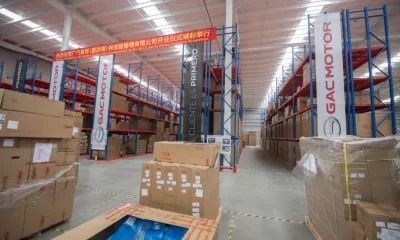
GAC Motor México Inaugura Nuevo Centro de Distribución de Autopartes y Refacciones para Mejorar la Experiencia del Cliente
-
 Clásicos2 años ago
Conmemorando al Ford Maverick 1973: Un Ícono de la Era Automotriz
-
 Opinión2 años ago
Reseña del GAC GN8 2024: Un Lujoso y Controversial Ingreso al Mercado Mexicano
-

 Noticias2 años ago
Inauguración de la Agencia GAC en Puerto Vallarta: Un Nuevo Horizonte Automotriz
-

 Noticias2 años ago
Geely Starray 2024: Innovación y Estilo Futurista en el Mercado Mexicano
-

 Opinión2 años ago
GAC EMZOOM 2024 – Un Futuro Brillante para el Mercado Mexicano
-
 Noticias2 años ago
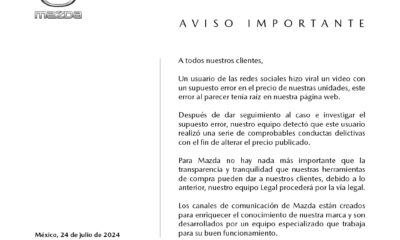
Intento de Compra Fraudulenta en Sitio Web de Mazda Desencadena Acción Legal
-

 Noticias2 años ago
Los Impuestos al Comprar un Auto en México: ¿Una Carga Innecesaria o Una Contribución Justa?