
Post
Political_discourse_surrounding_newstoday_com_in_impacts_regional_understanding

- Political discourse surrounding newstoday.com.in impacts regional understanding today
- The Influence of Framing and Narrative Construction
- Analyzing Editorial Choices
- The Role of Regional Focus in Political Discourse
- Community Engagement and Citizen Journalism
- The Impact of Social Media Amplification
- Combating Misinformation and Promoting Media Literacy
- The Evolving Relationship Between News and Politics
- Future Trends and the Continued Relevance of Informed Journalism
Political discourse surrounding newstoday.com.in impacts regional understanding today
In the contemporary media landscape, the role of online news platforms is paramount in shaping public opinion and fostering informed citizenry. Among the numerous digital news sources available, newstoday.com.in has emerged as a significant player, particularly within its regional focus. Its coverage, editorial stance, and the way it presents information actively participate in ongoing political discourse and, consequently, influence how individuals perceive and understand current events. The platform’s impact extends beyond simply reporting facts; it actively contributes to the framing of issues, the selection of narratives, and the overall tone of public debate.
The influence of a news outlet isn’t measured solely by its readership numbers but also by the ripple effect its coverage has on societal conversations and the political arena. This is particularly true in regions experiencing dynamic social and political shifts. A responsible news provider strives for objectivity, balance, and accuracy, but recognizing the inherent subjectivity in news production is vital. The choices made by editors, journalists, and the platform itself regarding what stories to cover, which voices to amplify, and how to present information directly impact public understanding and the formation of beliefs. Therefore, understanding the political discourse surrounding platforms like newstoday.com.in is essential for navigating the complexities of the modern information age.
The Influence of Framing and Narrative Construction
The way news is framed – the specific language used, the angles emphasized, and the context provided – significantly shapes public perception. A single event can be reported in multiple ways, each leading to different interpretations and emotional responses. For instance, a protest could be framed as a legitimate exercise of democratic rights or as a disruptive public order issue, depending on the outlet’s perspective. Newstoday.com.in, like any news organization, navigates this challenge, and its framing choices contribute to the ongoing political discourse. The selection of which experts to quote, which images to use, and even the headlines employed all contribute to the overall narrative constructed around a particular event or issue. Examining these framing techniques is critical for media literacy and understanding potential biases.
Analyzing Editorial Choices
Editorial decision-making is a complex process influenced by a myriad of factors, including journalistic ethics, political leanings, commercial pressures, and target audience. The editorial board’s composition, the ownership structure of the platform, and the internal guidelines governing news coverage all play a role. Understanding these underlying influences helps to decipher potential biases and interpret the news with a critical eye. It’s also worth considering how algorithms and social media platforms amplify certain narratives and suppress others, further complicating the process of discerning objective truth. Deep dives into the stated mission and values of a news outlet, like reviewing their “About Us” section, can provide valuable insight into their guiding principles.
| Selective Reporting | Shapes public agenda by focusing on certain issues and ignoring others. |
| Loaded Language | Evokes emotional responses and influences perception. |
| Source Selection | Determines whose voices are heard and whose are marginalized. |
| Visual Imagery | Creates powerful impressions and reinforces narratives. |
The conscious or unconscious use of such techniques by any news source, including newstoday.com.in, is a cornerstone of shaping public opinion, which is why conscientious media consumption is so important.
The Role of Regional Focus in Political Discourse
News organizations with a strong regional focus, like newstoday.com.in, hold a unique position in shaping local political discourse. They often provide in-depth coverage of issues that might be overlooked by national media outlets, bringing attention to local concerns and holding regional authorities accountable. This localized reporting fosters a sense of community and enables citizens to participate more effectively in local governance. However, a strong regional focus can also lead to a more insular perspective, potentially neglecting broader national or global contexts. The balance between localized reporting and a broader understanding of interconnected issues is a crucial consideration for regional news providers.
Community Engagement and Citizen Journalism
Modern news platforms are increasingly embracing community engagement and citizen journalism. Opportunities for readers to contribute their own stories, perspectives, and insights can enhance the richness and diversity of news coverage. This participatory approach can also foster a stronger sense of ownership and accountability within the community. However, it also presents challenges related to verifying information and ensuring journalistic standards. Platforms must develop robust mechanisms for fact-checking and editorial oversight to maintain credibility. Encouraging constructive dialogue and creating a space for diverse voices are critical for building trust and fostering a healthy public sphere.
- Local Election Coverage: Providing detailed information about candidates and issues.
- Investigative Reporting on Local Governance: Holding authorities accountable for their actions.
- Coverage of Community Events: Fostering a sense of belonging and civic engagement.
- Platforms for Citizen Feedback: Encouraging dialogue and diverse perspectives.
These practices, when implemented thoughtfully, can bolster the roles platforms such as newstoday.com.in play in ensuring an informed local electorate.
The Impact of Social Media Amplification
Social media platforms have fundamentally altered the way news is consumed and disseminated. News stories, regardless of their origin, can quickly go viral, reaching vast audiences in a matter of hours. This amplification effect can be both beneficial and detrimental. It allows important information to spread rapidly, but it also creates opportunities for misinformation, disinformation, and echo chambers to flourish. The algorithms that govern social media platforms prioritize engagement, often rewarding sensational or emotionally charged content, regardless of its accuracy. News organizations, including newstoday.com.in, must navigate this complex landscape by adapting their content strategies and actively combating the spread of false information. Understanding how social media algorithms work and how they influence news consumption is essential for both journalists and the public.
Combating Misinformation and Promoting Media Literacy
The proliferation of fake news and disinformation poses a significant threat to democratic societies. News organizations have a responsibility to prioritize fact-checking, transparency, and ethical reporting practices. Investing in robust fact-checking teams, clearly labeling opinion pieces, and correcting errors promptly are all crucial steps. However, combating misinformation requires a broader societal effort that includes media literacy education, critical thinking skills, and greater public awareness of the risks. Consumers of news must be equipped with the tools to evaluate sources, identify biases, and distinguish between credible information and propaganda.
- Verify the Source: Check the reputation and credibility of the news outlet.
- Cross-Reference Information: Compare the story with reports from other sources.
- Be Wary of Sensational Headlines: Clickbait often indicates a lack of substance.
- Look for Evidence and Attribution: Legitimate news stories cite sources and provide evidence.
Applying these steps is pivotal for responsible media engagement and an informed public, and these skills are particularly vital when interacting with content shared via social media concerning sources like newstoday.com.in.
The Evolving Relationship Between News and Politics
The relationship between news media and politics has always been complex and often contentious. Political actors rely on news outlets to communicate their messages to the public, while journalists strive to hold those in power accountable. This inherent tension can lead to accusations of bias, manipulation, and censorship. In recent years, the rise of partisan media and the erosion of trust in traditional institutions have further strained this relationship. The increasing polarization of the political landscape has also contributed to a more fragmented media environment, with individuals increasingly seeking out news sources that confirm their existing beliefs. This trend poses a challenge to the goal of fostering a common understanding of facts and promoting constructive dialogue.
The financial pressures facing the news industry also play a role in this dynamic. Declining advertising revenue and the rise of digital platforms have led to staff cuts, reduced investigative reporting, and a greater reliance on clickbait and sensationalism. These challenges underscore the need for innovative funding models and sustainable business practices that prioritize journalistic integrity and public service. Independent, well-funded news organizations are essential for holding power accountable and informing the public.
Future Trends and the Continued Relevance of Informed Journalism
The media landscape will continue to evolve rapidly, driven by technological advancements and changing consumer behaviors. Artificial intelligence, augmented reality, and immersive storytelling techniques will likely play an increasingly prominent role in news production and consumption. The challenge for news organizations will be to embrace these innovations while upholding journalistic ethics and maintaining public trust. Personalized news feeds and algorithmic curation raise concerns about filter bubbles and the potential for echo chambers. Efforts to promote diverse perspectives and expose individuals to different viewpoints will be crucial to counteracting these trends. Continued investment in investigative journalism, data analysis, and fact-checking will be essential for holding power accountable and informing the public about complex issues.
Examining the specific case of hyperlocal news, especially in rapidly developing regions, reveals an opportunity to cater to underserved communities. Targeted reporting on local issues, combined with innovative digital strategies, can empower citizens and foster greater civic engagement. Platforms such as newstoday.com.in, when committed to responsible journalism, are uniquely positioned to fulfil this role, creating a more informed and participatory society in a complex and rapidly changing world.
- Relevante Informationen und https://neueste-nachrichten.com.de für umfassende Nachrichtenberichterstattung
- Die Rolle von Nachrichten in der modernen Gesellschaft
- Die Entwicklung der Nachrichtenlandschaft
- Objektivität und Glaubwürdigkeit in der Nachrichtenberichterstattung
- Quellenkritik und Faktencheck
- Die Bedeutung regionaler Nachrichten
- Lokale Wirtschaft und regionale Nachrichten
- Die Zukunft der Nachrichtenberichterstattung
- Der Einfluss von Social Media auf die Nachrichtenwahrnehmung
Relevante Informationen und https://neueste-nachrichten.com.de für umfassende Nachrichtenberichterstattung
In der heutigen schnelllebigen Welt ist es entscheidend, über aktuelle Ereignisse informiert zu bleiben. Eine zuverlässige Quelle für Nachrichten ist unerlässlich, um fundierte Entscheidungen treffen und die Welt um uns herum verstehen zu können. https://neueste-nachrichten.com.de bietet eine umfassende Berichterstattung über eine Vielzahl von Themen, von politischen Entwicklungen bis hin zu kulturellen Ereignissen und wissenschaftlichen Durchbrüchen.
Die Bedeutung einer objektiven und zeitnahen Nachrichtenberichterstattung kann nicht hoch genug eingeschätzt werden. Eine informierte Öffentlichkeit ist die Grundlage jeder funktionierenden Demokratie. Durch den Zugang zu verschiedenen Perspektiven und Analysen können Bürgerinnen und Bürger ihre eigene Meinung bilden und sich aktiv an gesellschaftlichen Debatten beteiligen. Diese Plattform strebt danach, genau diese Grundlage zu bieten, indem sie eine breite Palette an Informationen zugänglich macht.
Die Rolle von Nachrichten in der modernen Gesellschaft
Nachrichten spielen eine zentrale Rolle in unserer modernen Gesellschaft, indem sie uns nicht nur über aktuelle Ereignisse informieren, sondern auch dazu beitragen, öffentliche Meinungen zu formen und politische Prozesse zu beeinflussen. Die Art und Weise, wie Nachrichten präsentiert werden, kann einen erheblichen Einfluss darauf haben, wie wir die Welt wahrnehmen und welche Schlussfolgerungen wir daraus ziehen. Eine verantwortungsvolle Nachrichtenberichterstattung erfordert daher höchste journalistische Standards, wie Objektivität, Genauigkeit und Unparteilichkeit. Die Verbreitung von Falschinformationen und sogenannten "Fake News" stellt eine wachsende Herausforderung dar, und es ist daher umso wichtiger, sich auf vertrauenswürdige Quellen zu verlassen. Die kritische Auseinandersetzung mit Nachrichten und die Überprüfung von Informationen aus verschiedenen Quellen sind unerlässlich, um sich eine fundierte Meinung bilden zu können.
Die Entwicklung der Nachrichtenlandschaft
Die Nachrichtenlandschaft hat sich in den letzten Jahrzehnten dramatisch verändert. Früher waren traditionelle Medien wie Zeitungen, Radio und Fernsehen die Hauptquellen für Nachrichten. Heute spielen das Internet und soziale Medien eine immer größere Rolle. Diese Entwicklung hat zwar einerseits zu einer größeren Vielfalt an Informationen geführt, andererseits aber auch neue Herausforderungen mit sich gebracht. Die Geschwindigkeit, mit der Nachrichten verbreitet werden, hat zugenommen, was das Risiko von ungenauen oder falschen Informationen erhöht. Darüber hinaus haben soziale Medien dazu beigetragen, dass sich Nachrichten schneller verbreiten, aber auch, dass sogenannte "Echokammern" entstehen, in denen Menschen nur mit Meinungen konfrontiert werden, die ihre eigenen bestätigen. Das Verständnis dieser Veränderungen ist entscheidend, um sich in der heutigen Nachrichtenlandschaft zurechtzufinden.
| Zeitungen | Sinkend | Detaillierte Berichterstattung, gründliche Recherche | Hohe Kosten, sinkende Leserzahlen |
| Fernsehen | Stabil | Breite Zielgruppe, visuelle Darstellung | Oberflächliche Berichterstattung, Abhängigkeit von Sendezeiten |
| Radio | Relativ stabil | Schnelle Aktualität, Mobilität | Weniger detaillierte Berichterstattung |
| Internet/Soziale Medien | Wachsend | Schnelle Verbreitung, große Vielfalt, Interaktion | Falschinformationen, Echokammern, Überflutung mit Informationen |
Die Tabelle verdeutlicht die unterschiedlichen Eigenschaften der verschiedenen Medien und ihre jeweiligen Vor- und Nachteile. Die Auswahl der geeigneten Nachrichtenquelle hängt letztendlich von den individuellen Bedürfnissen und Vorlieben ab.
Objektivität und Glaubwürdigkeit in der Nachrichtenberichterstattung
Objektivität und Glaubwürdigkeit sind Eckpfeiler einer seriösen Nachrichtenberichterstattung. Journalisten haben die Pflicht, Ereignisse unvoreingenommen und sachlich darzustellen, ohne ihre persönliche Meinung oder politische Überzeugung in die Berichterstattung einfließen zu lassen. Die Überprüfung von Fakten und die Verwendung verlässlicher Quellen sind unerlässlich, um die Genauigkeit der Informationen zu gewährleisten. In einer Zeit, in der Falschinformationen und Propaganda weit verbreitet sind, ist es umso wichtiger, auf die Glaubwürdigkeit der Nachrichtenquelle zu achten. Eine unabhängige Redaktion, die sich an journalistische Ethikstandards hält, ist ein entscheidendes Zeichen für Qualität und Vertrauenswürdigkeit. Darüber hinaus sollten Nachrichtenorganisationen transparent machen, wie sie ihre Informationen beschaffen und überprüfen.
Quellenkritik und Faktencheck
Die Fähigkeit zur Quellenkritik und zum Faktencheck ist eine wichtige Kompetenz im Umgang mit Nachrichten. Es ist wichtig, sich zu fragen, wer die Quelle ist, welche Interessen sie verfolgt und ob die Informationen von anderen Quellen bestätigt werden können. Die Überprüfung von Informationen auf Faktencheck-Websites oder durch den Vergleich mit anderen Nachrichtenquellen kann helfen, Falschinformationen zu entlarven. Es ist auch wichtig, auf die Sprache und den Tonfall der Berichterstattung zu achten. Eine übermäßig emotionale oder polemische Sprache kann ein Hinweis darauf sein, dass die Berichterstattung nicht objektiv ist. Sich bewusst zu machen, dass jede Nachricht eine bestimmte Perspektive repräsentiert und dass es oft verschiedene Interpretationen von Ereignissen gibt, ist ein wichtiger Schritt zur Entwicklung einer kritischen Denkweise.
- Überprüfe die Quelle: Ist sie bekannt und vertrauenswürdig?
- Vergleiche Informationen: Bestätigen andere Quellen die Angaben?
- Achte auf die Sprache: Ist sie sachlich und neutral?
- Überprüfe Fakten: Stimmen Zahlen und Daten?
- Sei skeptisch gegenüber Schlagzeilen: Überprüfe den gesamten Artikel.
Diese Checkliste kann Ihnen helfen, die Glaubwürdigkeit von Nachrichten zu beurteilen und sich vor Falschinformationen zu schützen.
Die Bedeutung regionaler Nachrichten
Während globale Nachrichten uns über Ereignisse auf der ganzen Welt informieren, spielen regionale Nachrichten eine wichtige Rolle dabei, uns über das Geschehen in unserer unmittelbaren Umgebung auf dem Laufenden zu halten. Regionale Nachrichten berichten über lokale Politik, Wirtschaft, Kultur und soziale Ereignisse, die direkten Einfluss auf unser Leben haben. Sie informieren uns über kommunale Entscheidungen, lokale Unternehmen, Schulen und Vereine. Regionale Nachrichten fördern das Gemeinschaftsgefühl und ermöglichen es uns, uns aktiv an der Gestaltung unserer Region zu beteiligen. Sie bieten auch eine Plattform für lokale Stimmen und Perspektiven, die in den überregionalen Medien oft zu kurz kommen. Die Unterstützung regionaler Nachrichtenquellen ist daher ein wichtiger Beitrag zur Förderung einer lebendigen und informierten Gesellschaft.
Lokale Wirtschaft und regionale Nachrichten
Regionale Nachrichten spielen eine wichtige Rolle bei der Unterstützung der lokalen Wirtschaft. Indem sie über lokale Unternehmen berichten, tragen sie dazu bei, deren Bekanntheit zu steigern und Kunden zu gewinnen. Sie informieren über neue Geschäftseröffnungen, lokale Arbeitsplätze und wirtschaftliche Entwicklungen in der Region. Darüber hinaus können regionale Nachrichten auch auf Probleme und Herausforderungen der lokalen Wirtschaft aufmerksam machen und zur Entwicklung von Lösungen beitragen. Eine gut informierte Bevölkerung ist besser in der Lage, fundierte Entscheidungen über den Konsum von Waren und Dienstleistungen zu treffen und die lokale Wirtschaft zu unterstützen. Die enge Verknüpfung zwischen regionalen Nachrichten und der lokalen Wirtschaft ist daher von gegenseitigem Vorteil.
- Unterstützung lokaler Unternehmen durch Berichterstattung
- Informationen über Arbeitsplätze und Wirtschaftsentwicklung
- Aufzeigen von Problemen und Herausforderungen
- Förderung des Konsums lokaler Produkte und Dienstleistungen
- Stärkung des Gemeinschaftsgefühls
Diese Punkte verdeutlichen die positive Wirkung regionaler Nachrichten auf die lokale Wirtschaft.
Die Zukunft der Nachrichtenberichterstattung
Die Zukunft der Nachrichtenberichterstattung wird von technologischen Innovationen und sich verändernden Konsumgewohnheiten geprägt sein. Künstliche Intelligenz (KI) und maschinelles Lernen werden in Zukunft eine immer größere Rolle bei der Erstellung und Verbreitung von Nachrichten spielen. KI-gestützte Algorithmen können dazu verwendet werden, Nachrichten zu personalisieren, Falschinformationen zu erkennen und die Effizienz der Nachrichtenproduktion zu steigern. Gleichzeitig stellt die zunehmende Automatisierung der Nachrichtenproduktion auch neue Herausforderungen dar, wie den Verlust von Arbeitsplätzen und die Gefahr einer weiteren Verbreitung von Falschinformationen. Die Entwicklung neuer Geschäftsmodelle für Nachrichtenorganisationen ist ebenfalls ein wichtiger Faktor für die Zukunft der Nachrichtenberichterstattung. Abonnementmodelle, Spendenkampagnen und gemeinnützige Organisationen sind vielversprechende Ansätze, um die finanzielle Unabhängigkeit der Nachrichtenorganisationen zu gewährleisten und eine qualitativ hochwertige Berichterstattung zu sichern. Es ist entscheidend, dass die Nachrichtenberichterstattung auch in Zukunft eine wichtige Rolle bei der Information und Meinungsbildung spielt – beispielsweise durch Angebote wie https://neueste-nachrichten.com.de.
Der Einfluss von Social Media auf die Nachrichtenwahrnehmung
Soziale Medien haben die Art und Weise, wie wir Nachrichten wahrnehmen, grundlegend verändert. Sie bieten uns die Möglichkeit, Nachrichten in Echtzeit zu konsumieren, uns mit anderen Nutzern auszutauschen und unsere eigene Meinung zu äußern. Gleichzeitig bergen soziale Medien aber auch Risiken, wie die Verbreitung von Falschinformationen, die Bildung von Echokammern und die Manipulation der öffentlichen Meinung. Algorithmen, die darauf ausgelegt sind, unsere Aufmerksamkeit zu gewinnen, können dazu führen, dass wir nur mit Informationen konfrontiert werden, die unsere eigenen Überzeugungen bestätigen. Es ist daher umso wichtiger, sich bewusst zu machen, wie soziale Medien unsere Nachrichtenwahrnehmung beeinflussen und kritisch mit den Informationen umzugehen, die wir dort finden. Die Förderung von Medienkompetenz und die Entwicklung von Strategien zur Bekämpfung von Falschinformationen sind wichtige Aufgaben, um die positiven Aspekte von sozialen Medien zu nutzen und die negativen Auswirkungen zu minimieren. Eine ausgewogene Nachrichtenquelle, die verschiedene Perspektiven und Informationen bietet, ist unerlässlich, um sich ein umfassendes Bild von der Welt zu machen.
- Coverage for residents featuring new-zealand-news.nz and localized reports
- Political Landscape and Recent Developments
- The Role of Independent Journalism
- Economic Outlook and Business Confidence
- Key Sectors Driving Growth
- Social Issues and Community Engagement
- Addressing Mental Health Needs
- Environmental Challenges and Sustainability Efforts
- Looking Ahead: The Future of Connectivity & Regional Development
Coverage for residents featuring new-zealand-news.nz and localized reports
Staying informed about current events is crucial in today's rapidly changing world, and access to reliable news sources is more important than ever. For residents of New Zealand, and indeed for anyone interested in Kiwi affairs, a dedicated news platform like new-zealand-news.nz provides a valuable service. This platform aims to deliver comprehensive coverage of happenings both within New Zealand and relating to its place on the global stage. It endeavors to supply timely, accurate, and unbiased reporting, allowing citizens to form informed opinions and participate effectively in civic life.
The need for focused, local news has grown as larger international media outlets often struggle to provide the depth of coverage necessary to understand the nuances of New Zealand’s political, social, and economic landscape. A dedicated news source, therefore, offers a vital link between the community and the information that impacts their daily lives. Furthermore, they often focus on spotlighting local achievements, challenges and community initiatives, acting as a public forum for important discussion and promoting civic engagement. This localized approach distinguishes them from broader, more generalized news cycles.
Political Landscape and Recent Developments
New Zealand’s political environment is currently experiencing a period of shifting dynamics. The recent debates surrounding housing affordability, particularly in major cities like Auckland and Wellington, continue to dominate the political discourse. Government initiatives aimed at curbing speculation and increasing housing supply are under constant scrutiny, with varying degrees of success reported. Opposition parties are actively proposing alternative solutions, focusing on increased funding for social housing and tighter regulations on foreign investment. The current administration is facing pressure to demonstrate tangible results before the next general election, with public satisfaction levels directly influencing potential electoral outcomes.
Beyond housing, the agricultural sector remains a critical component of the New Zealand economy, and therefore a key focus for political attention. Negotiations surrounding trade agreements with various countries, including those in Asia and Europe, are ongoing, with significant implications for farmers and exporters. Environmental concerns surrounding intensive farming practices also continue to raise important questions about sustainability and responsible land management. The government is attempting to balance economic growth with environmental protection, a delicate balancing act that requires careful consideration of diverse perspectives.
The Role of Independent Journalism
In this increasingly complex political climate, the role of independent journalism is paramount. A truly independent media outlet, free from undue influence from political or commercial interests, is essential for holding power to account and ensuring transparency. New Zealand benefits from a relatively strong tradition of investigative journalism, but maintaining its integrity requires ongoing support and commitment from both the public and the media organizations themselves. The rise of social media and the spread of misinformation pose a significant challenge, emphasizing the need for verifiable facts and responsible reporting.
The success of operations such as new-zealand-news.nz rests on a dedication to ethical journalism and a commitment to providing balanced, nuanced coverage of important issues. This includes consulting a wide range of sources, verifying information meticulously, and presenting multiple perspectives on complex topics. Ultimately, a well-informed citizenry is the cornerstone of a healthy democracy.
| 0.5% | 2.7% |
| Projected Growth (Next Year) | Projected Inflation (Next Year) |
These figures represent the overall economic climate impacting the political discussions surrounding the country’s financial stability. Maintaining economic growth, while keeping inflation in check, is a constant challenge for policy makers, and significantly impacts the lives of everyday New Zealanders.
Economic Outlook and Business Confidence
Recent economic indicators suggest a moderate level of growth within New Zealand. While the country has largely weathered the global economic uncertainties, certain sectors are facing headwinds. The tourism industry, a major contributor to the national economy, is gradually recovering from the disruptions caused by the recent pandemic, but international travel restrictions and ongoing concerns about global health risks continue to affect visitor numbers. Furthermore, rising interest rates and inflationary pressures are impacting consumer spending and business investment, potentially slowing down economic expansion.
Despite these challenges, business confidence remains relatively stable. Many businesses are adapting to the changing economic landscape by embracing innovation, investing in new technologies, and exploring new markets. The government is implementing various support measures to help businesses navigate these difficulties, including tax relief packages and programs aimed at fostering entrepreneurship. However, the long-term economic outlook remains uncertain, and significant risks lie ahead.
Key Sectors Driving Growth
Several key sectors are driving economic growth in New Zealand. The primary industries, including agriculture, forestry, and fishing, continue to be major exporters, generating significant revenue for the country. The technology sector is also experiencing rapid growth, fueled by innovation and a skilled workforce. Furthermore, the creative industries, including film, television, and music, are making a substantial contribution to the economy and projecting New Zealand’s culture onto the global stage. These diverse sectors demonstrate the resilience and adaptability of the New Zealand economy.
The strength of these sectors is often linked to the government's initiatives to support innovation and sustainable practices. For example, subsidies for eco-tourism and support for research and development in agricultural technology contribute to long-term economic viability. The promotion of New Zealand as a destination for foreign investment also plays a crucial role in fostering economic growth and creating employment opportunities.
- Renewable energy initiatives are attracting international attention.
- Investment in digital infrastructure is improving connectivity across the country.
- Support for small and medium-sized enterprises (SMEs) is boosting entrepreneurial activity.
- The focus on sustainable tourism is protecting the environment.
These initiatives demonstrate a commitment to a future-proofed economy that sustains both the environment and the population.
Social Issues and Community Engagement
New Zealand, like many other countries, faces a range of complex social issues. Income inequality remains a significant concern, with a widening gap between the wealthy and the poor. Access to affordable healthcare and education is also a major challenge, particularly for marginalized communities. The government is implementing various social programs aimed at addressing these inequalities, but progress is often slow and uneven. There is also a growing awareness of the importance of mental health and well-being, leading to increased demand for mental health services.
Community engagement is essential for addressing these social issues effectively. Local communities play a vital role in providing support services, advocating for policy changes, and fostering a sense of belonging. Non-governmental organizations (NGOs) and volunteer groups are often at the forefront of this work, providing valuable assistance to those in need. Collaboration between government, community organizations, and individuals is crucial for building a more just and equitable society.
Addressing Mental Health Needs
The mental health crisis in New Zealand has garnered considerable attention in recent years, leading to increased investment in mental health services. However, significant challenges remain, including long waiting lists for treatment, a shortage of qualified mental health professionals, and stigma surrounding mental illness. The government is implementing a range of initiatives to address these challenges, including expanding access to mental health support in schools, workplaces, and primary healthcare settings. Increasing awareness and reducing stigma are also key priorities.
Resources like new-zealand-news.nz can play a role in destigmatizing mental health by providing sympathetic coverage to stories and raising awareness of available support networks. Accessible information and genuine representation are vital for creating a society where people feel comfortable seeking help when they need it.
- Invest in early intervention programs for young people.
- Increase funding for mental health research.
- Expand access to culturally appropriate mental health services.
- Reduce stigma through public awareness campaigns.
These steps are all critical for improving mental health outcomes across the population.
Environmental Challenges and Sustainability Efforts
New Zealand’s stunning natural environment is one of its greatest assets, but it is also facing significant environmental challenges. Climate change is already having a noticeable impact, with rising sea levels, more frequent extreme weather events, and changes in biodiversity. Protecting New Zealand’s unique ecosystems and mitigating the effects of climate change are therefore urgent priorities. The government has committed to ambitious climate targets, including reducing greenhouse gas emissions and transitioning to a low-carbon economy.
Sustainability efforts are also focused on protecting water quality, reducing pollution, and conserving natural resources. The agricultural sector, in particular, is under pressure to adopt more sustainable farming practices. The tourism industry is also striving to minimize its environmental footprint. A growing number of businesses and individuals are embracing sustainable lifestyles, demonstrating a commitment to protecting the environment for future generations.
Looking Ahead: The Future of Connectivity & Regional Development
The evolution of communications technology and its impact on regional New Zealand presents a fascinating avenue for future observation and reporting. Improved broadband infrastructure, spurred by both government investment and private sector initiatives, is fundamentally altering the economic landscape of rural communities. The ability to access online education, telehealth services and participate in the digital economy is no longer a luxury, but a necessity for thriving regional areas. The reporting on these shifts, and their impact on local businesses and community life, will become increasingly important.
Furthermore, the development of niche industries capitalizing on New Zealand’s unique brand – sustainable tourism, high-quality food production, and innovative technology – will require continued scrutiny. The success of these ventures will depend on the ability to overcome challenges related to logistics, skilled labor shortages, and access to capital. Tracking these developments, and providing a platform for discussion and debate, will be vital for shaping a prosperous and equitable future for all New Zealanders.
- Πραγματικότητα στιγμών, αποκλειστικές news και αναλύσεις για το σήμερα και αύριο
- Η Εξέλιξη της Ενημέρωσης: Από τον Τύπο στην Ψηφιακή Εποχή
- Η Δύναμη της Ψηφιακής Επικοινωνίας
- Η Επίδραση των Κοινωνικών Δικτύων στην Ενημέρωση
- Αλγόριθμοι και Φίλτρα Φυσαλίδας
- Η Αξιοπιστία των Πηγών Πληροφοριών
- Πώς να Αναγνωρίσουμε Αξιόπιστες Πηγές
- Η Προοπτική των Μέσων Ενημέρωσης στο Μέλλον
- Η Δυναμική Αλληλεπίδραση Ενημέρωσης και Κοινωνίας
Πραγματικότητα στιγμών, αποκλειστικές news και αναλύσεις για το σήμερα και αύριο
Στον σύγχρονο κόσμο, η άμεση πρόσβαση σε πληροφορίες είναι πιο σημαντική από ποτέ. Η συνεχής ροή των γεγονότων, η ταχύτητα με την οποία εξελίσσονται, καθιστούν την ενημέρωση μια διαρκή ανάγκη. Ειδήσεις, αναλύσεις, σχόλια και εμβάθυνση σε θέματα που διαμορφώνουν την καθημερινότητά μας είναι απαραίτητα στοιχεία για κάθε πολίτη που θέλει να κατανοήσει και να συμμετάσχει ενεργά στα τεκταινόμενα. Η ανάγκη για αξιόπιστες πηγές news είναι αυξανόμενη, καθώς η παραπληροφόρηση και οι ψευδείς ειδήσεις αποτελούν μια σοβαρή απειλή για την δημοκρατία και την κοινωνική συνοχή.
Η ύπαρξη ποιοτικών μέσων ενημέρωσης, ικανών να παρέχουν αντικειμενική και εμπεριστατωμένη ενημέρωση, είναι ζωτικής σημασίας. Αυτά τα μέσα πρέπει να διακρίνονται για την εγκυρότητα των πηγών τους, την αμεροληψία τους και την προσήλωσή τους στην δημοσιογραφική δεοντολογία. Η ανάπτυξη νέων τεχνολογιών και η διάδοση των κοινωνικών δικτύων έχουν αλλάξει ριζικά τον τρόπο με τον οποίο λαμβάνουμε και μοιραζόμαστε πληροφορίες, δημιουργώντας παράλληλα νέες προκλήσεις και ευκαιρίες για τον χώρο των media.
Η Εξέλιξη της Ενημέρωσης: Από τον Τύπο στην Ψηφιακή Εποχή
Η ιστορία της ενημέρωσης είναι άρρηκτα συνδεδεμένη με την ιστορία της ανθρωπότητας. Από τις πρώτες μορφές προφορικής παράδοσης μέχρι την εφεύρεση της τυπογραφίας και την ανάπτυξη των μαζικών μέσων ενημέρωσης, η ανάγκη για επικοινωνία και ανταλλαγή πληροφοριών ήταν πάντα κινητήριος δύναμη της κοινωνικής προόδου. Η εμφάνιση του τύπου, με τις εφημερίδες και τα περιοδικά, σηματοδότησε μια νέα εποχή στην διάδοση των ειδήσεων, δίνοντας τη δυνατότητα σε ένα ευρύτερο κοινό να ενημερωθεί για τα γεγονότα που συμβαίνουν στον κόσμο. Ωστόσο, ο τύπος ήταν συχνά περιορισμένος από την γεωγραφική του εμβέλεια και την ταχύτητα διάδοσης των πληροφοριών. Η ραγδαία ανάπτυξη της ραδιοφωνίας και της τηλεόρασης, τον 20ο αιώνα, έφερε μια επανάσταση στον χώρο των μέσων ενημέρωσης, καθώς τα νέα μπορούσαν να μεταδοθούν άμεσα και σε μεγάλη κλίμακα.
Η Δύναμη της Ψηφιακής Επικοινωνίας
Η άφιξη του διαδικτύου και των κοινωνικών δικτύων άλλαξε για πάντα τον τρόπο με τον οποίο λαμβάνουμε και μοιραζόμαστε πληροφορίες. Η δυνατότητα πρόσβασης σε απεριόριστες πηγές πληροφοριών, η αμεσότητα της επικοινωνίας και η διαδραστικότητα των ψηφιακών μέσων έχουν δημιουργήσει ένα νέο τοπίο στην ενημέρωση. Ενώ οι παραδοσιακά μέσα ενημέρωσης εξακολουθούν να διαδραματίζουν σημαντικό ρόλο, τα ψηφιακά μέσα έχουν καταφέρει να κερδίσουν ένα μεγάλο μερίδιο του κοινού, ειδικά μεταξύ των νεότερων γενεών. Η ευκολία πρόσβασης, η δυνατότητα προσαρμογής του περιεχομένου στις ανάγκες του κάθε χρήστη και η αμεσότητα της ενημέρωσης είναι μερικά από τα πλεονεκτήματα των ψηφιακών μέσων.
| Εφημερίδες | Μειούμενη, κυρίως σε αστικές περιοχές | Εμβάθυνση, ανάλυση, εγκυρότητα |
| Τηλεόραση | Υψηλή, αλλά μειούμενη, ιδιαίτερα σε νεότερες ηλικίες | Άμεση ενημέρωση, οπτικοακουστικό περιεχόμενο, ευρεία αποδοχή |
| Ραδιόφωνο | Σταθερή, κυρίως για ενημέρωση κατά την οδήγηση | Άμεση ενημέρωση, τοπική εστίαση, διαδραστικότητα |
| Διαδίκτυο (ιστοσελίδες news) | Αυξανόμενη, η κυρίαρχη πηγή για πολλούς | Άμεση πρόσβαση, ποικιλία πηγών, διαδραστικότητα |
Η συγκέντρωση της εξουσίας στα χέρια λίγων μεγάλων εταιρειών τεχνολογίας, η εξάπλωση της παραπληροφόρησης και η απώλεια της εμπιστοσύνης στο παραδοσιακό μοντέλο των μέσων ενημέρωσης είναι μερικές από τις προκλήσεις που αντιμετωπίζουμε στην ψηφιακή εποχή. Η ανάγκη για κριτική σκέψη, η ανάπτυξη δεξιοτήτων ψηφιακού γραμματισμού και η υποστήριξη της ανεξάρτητης δημοσιογραφίας είναι απαραίτητες για να διασφαλίσουμε ότι η ενημέρωση θα παραμείνει ένα δημόσιο αγαθό.
Η Επίδραση των Κοινωνικών Δικτύων στην Ενημέρωση
Τα κοινωνικά δίκτυα έχουν μεταμορφώσει ριζικά τον τρόπο με τον οποίο λαμβάνουμε και μοιραζόμαστε πληροφορίες. Η δυνατότητα άμεσης σύνδεσης με φίλους, οικογένεια και άγνωστους ανθρώπους από όλο τον κόσμο, η ταχύτητα διάδοσης των ειδήσεων και η ευκολία δημιουργίας και κοινοποίησης περιεχομένου έχουν δημιουργήσει ένα νέο τοπίο στην ενημέρωση. Ωστόσο, τα κοινωνικά δίκτυα είναι επίσης ένα πρόσφορο έδαφος για την διάδοση παραπληροφόρησης, ψευδών ειδήσεων και ρητορικής μίσους. Η έλλειψη ελέγχου και η ανωνυμία που προσφέρουν ορισμένες πλατφόρμες επιτρέπουν σε κακόβουλους χρήστες να διασπείρουν ψευδείς πληροφορίες και να χειραγωγήσουν την κοινή γνώμη.
Αλγόριθμοι και Φίλτρα Φυσαλίδας
Οι αλγόριθμοι που χρησιμοποιούν τα κοινωνικά δίκτυα για να επιλέξουν το περιεχόμενο που βλέπουμε, μπορούν να δημιουργήσουν αυτό που ονομάζεται «φίλτρα φυσαλίδας». Αυτά τα φίλτρα φυσαλίδας μας εκθέτουν μόνο σε πληροφορίες που επιβεβαιώνουν τις ήδη υπάρχουσες πεποιθήσεις μας, περιορίζοντας την πρόσβασή μας σε διαφορετικές απόψεις και δημιουργώντας μια στρεβλή εικόνα της πραγματικότητας. Η συνέπεια είναι ότι οι άνθρωποι γίνονται όλο και πιο πολωμένοι και δυσκολεύονται να κατανοήσουν τις απόψεις των άλλων. Η αντίσταση στις φίλτρες φυσαλίδας απαιτεί συνειδητή προσπάθεια για να αναζητήσουμε διαφορετικές πηγές πληροφοριών και να αμφισβητήσουμε τις δικές μας πεποιθήσεις.
- Διασταύρωση πληροφοριών από διαφορετικές πηγές
- Αναζήτηση διαφορετικών απόψεων και επιχειρημάτων
- Εκπαίδευση στον ψηφιακό γραμματισμό
- Ενίσχυση της κριτικής σκέψης
- Υποστήριξη της ανεξάρτητης δημοσιογραφίας
Η προώθηση της υπεύθυνης χρήσης των κοινωνικών δικτύων, η καταπολέμηση της παραπληροφόρησης και η ενίσχυση της κριτικής σκέψης είναι απαραίτητες για να διασφαλίσουμε ότι τα κοινωνικά δίκτυα θα παραμείνουν ένα εργαλείο ενημέρωσης και όχι ένα όπλο χειραγώγησης.
Η Αξιοπιστία των Πηγών Πληροφοριών
Στην εποχή της υπερπληροφόρησης, η αξιοπιστία των πηγών πληροφοριών είναι ένα κρίσιμο ζήτημα. Η πληθώρα των πληροφοριών που είναι διαθέσιμες στο διαδίκτυο, σε συνδυασμό με την ευκολία δημιουργίας και κοινοποίησης περιεχομένου, καθιστούν δύσκολη την διάκριση μεταξύ αξιόπιστων και αναξιόπιστων πηγών. Οι ψευδείς ειδήσεις, η παραπληροφόρηση και η προπαγάνδα μπορούν να διαδοθούν ραγδαία στα κοινωνικά δίκτυα, επηρεάζοντας την κοινή γνώμη και υπονομεύοντας την εμπιστοσύνη στο παραδοσιακό μοντέλο των μέσων ενημέρωσης.
Πώς να Αναγνωρίσουμε Αξιόπιστες Πηγές
Η αναγνώριση αξιόπιστων πηγών πληροφοριών απαιτεί κριτική σκέψη και προσοχή στη λεπτομέρεια. Μερικά κριτήρια που μπορούν να μας βοηθήσουν να αξιολογήσουμε την αξιοπιστία μιας πηγής είναι: η φήμη και η αναγνώριση του οργανισμού ή του ατόμου που δημοσιεύει την πληροφορία, η διαφάνεια σχετικά με τις πηγές και τις μεθόδους συλλογής δεδομένων, η αμεροληψία και η αντικειμενικότητα της παρουσίασης των γεγονότων, και η ύπαρξη μηχανισμών ελέγχου και διόρθωσης σφαλμάτων. Είναι επίσης σημαντικό να διασταυρώνουμε τις πληροφορίες από διαφορετικές πηγές και να είμαστε επιφυλακτικοί απέναντι σε πληροφορίες που φαίνονται υπερβολικά καλές ή κακές για να είναι αληθινές.
- Ελέγξτε την πηγή: Είναι γνωστή και αξιόπιστη;
- Ελέγξτε τον συγγραφέα: Είναι ειδικός στο θέμα;
- Ελέγξτε τις πηγές: Υπάρχουν αναφορές σε αξιόπιστες πηγές;
- Ελέγξτε την ημερομηνία: Είναι η πληροφορία πρόσφατη;
- Ελέγξτε για προκαταλήψεις: Είναι η παρουσίαση αμερόληπτη;
Η ανάπτυξη δεξιοτήτων ψηφιακού γραμματισμού και η εκπαίδευση στην κριτική σκέψη είναι απαραίτητες για να αντιμετωπίσουμε τις προκλήσεις της εποχής της υπερπληροφόρησης και να διασφαλίσουμε ότι λαμβάνουμε ενημέρωση από αξιόπιστες πηγές.
Η Προοπτική των Μέσων Ενημέρωσης στο Μέλλον
Το μέλλον των μέσων ενημέρωσης είναι γεμάτο προκλήσεις και ευκαιρίες. Η τεχνολογική πρόοδος, η αλλαγή των καταναλωτικών συνηθειών και η οικονομική αστάθεια του χώρου απαιτούν από τα μέσα ενημέρωσης να αναζητήσουν νέους τρόπους για να παραμείνουν βιώσιμα και να συνεχίσουν να παρέχουν ποιοτική ενημέρωση. Η ανάπτυξη νέων επιχειρηματικών μοντέλων, η αξιοποίηση της τεχνητής νοημοσύνης και η εστίαση στην δημιουργία περιεχομένου υψηλής ποιότητας είναι μερικές από τις στρατηγικές που μπορούν να βοηθήσουν τα μέσα ενημέρωσης να επιβιώσουν και να ευδοκιμήσουν στο μέλλον.
Η συνεργασία μεταξύ των μέσων ενημέρωσης, η υποστήριξη της ανεξάρτητης δημοσιογραφίας και η προώθηση της υπεύθυνης χρήσης των κοινωνικών δικτύων είναι απαραίτητες για να διασφαλίσουμε ότι η ενημέρωση θα παραμείνει ένα δημόσιο αγαθό και ότι οι πολίτες θα έχουν πρόσβαση σε αξιόπιστες και αντικειμενικές πληροφορίες.
Η Δυναμική Αλληλεπίδραση Ενημέρωσης και Κοινωνίας
Η σχέση μεταξύ ενημέρωσης και κοινωνίας είναι μια δυναμική αλληλεπίδραση, όπου η καθεμία επηρεάζει και διαμορφώνει την άλλη. Η ενημέρωση διαδραματίζει καθοριστικό ρόλο στη διαμόρφωση της κοινής γνώμης, στην προώθηση της δημοκρατίας και στην ενίσχυση της κοινωνικής συνοχής. Από την άλλη πλευρά, η κοινωνία επηρεάζει την ενημέρωση μέσω της ζήτησης για συγκεκριμένο περιεχόμενο, της κριτικής που ασκεί στα μέσα ενημέρωσης και της πίεσης που ασκεί για λογοδοσία. Η κατανόηση αυτής της δυναμικής αλληλεπίδρασης είναι απαραίτητη για να διασφαλίσουμε ότι η ενημέρωση θα υπηρετεί το δημόσιο συμφέρον.
Ένα συγκεκριμένο παράδειγμα αυτής της αλληλεπίδρασης είναι η ραγδαία άνοδος των «fact-checking» οργανισμών τα τελευταία χρόνια. Η ανάγκη για αντιμετώπιση της παραπληροφόρησης και η αυξανόμενη ανησυχία του κοινού για την αξιοπιστία των ειδήσεων οδήγησαν στην δημιουργία αυτών των οργανισμών, οι οποίοι ελέγχουν την ακρίβεια των πληροφοριών που κυκλοφορούν στα μέσα ενημέρωσης και στα κοινωνικά δίκτυα. Η δράση αυτών των οργανισμών έχει συμβάλει στην αύξηση της διαφάνειας και της λογοδοσίας στον χώρο των μέσων ενημέρωσης, αλλά και στην ενίσχυση της κριτικής σκέψης του κοινού.
Rápida aventura de gallina a través de chickenroad-login.es, esquivando coches y ganando recompensas virtuales
Relevante_Informationen_und_https_neueste-nachrichten_com_de_für_umfassende_Nac
Local stories and https://new-zealand-news.co.nz providing essential regional coverage

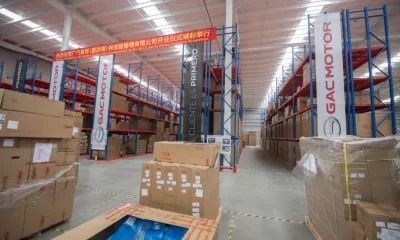
GAC Motor México Inaugura Nuevo Centro de Distribución de Autopartes y Refacciones para Mejorar la Experiencia del Cliente

Conmemorando al Ford Maverick 1973: Un Ícono de la Era Automotriz

Reseña del GAC GN8 2024: Un Lujoso y Controversial Ingreso al Mercado Mexicano
-
 Noticias2 años ago
GAC Motor México Inaugura Nuevo Centro de Distribución de Autopartes y Refacciones para Mejorar la Experiencia del Cliente
-
 Clásicos2 años ago
Conmemorando al Ford Maverick 1973: Un Ícono de la Era Automotriz
-
 Opinión2 años ago
Reseña del GAC GN8 2024: Un Lujoso y Controversial Ingreso al Mercado Mexicano
-

 Noticias2 años ago
Inauguración de la Agencia GAC en Puerto Vallarta: Un Nuevo Horizonte Automotriz
-

 Noticias2 años ago
Geely Starray 2024: Innovación y Estilo Futurista en el Mercado Mexicano
-

 Opinión2 años ago
GAC EMZOOM 2024 – Un Futuro Brillante para el Mercado Mexicano
-

 Noticias2 años ago
Intento de Compra Fraudulenta en Sitio Web de Mazda Desencadena Acción Legal
-

 Noticias2 años ago
Los Impuestos al Comprar un Auto en México: ¿Una Carga Innecesaria o Una Contribución Justa?