
Reseñas
Aktuelle Trends im Online-Gaming enthüllt spinogambino casino und innovative Gewinnmöglichkeiten für jeden Spieler

- Aktuelle Trends im Online-Gaming enthüllt spinogambino casino und innovative Gewinnmöglichkeiten für jeden Spieler
- Die Vielfalt der Spiele bei Spinogambino Casino
- Die Rolle der Softwareanbieter
- Benutzererfahrung und mobile Kompatibilität
- Die Bedeutung eines responsiven Designs
- Zahlungsmethoden und Sicherheit
- Sicherheitsstandards und Verschlüsselungstechnologien
- Bonusangebote und Promotionen bei Spinogambino Casino
- Zukunftsperspektiven und technologische Innovationen
Aktuelle Trends im Online-Gaming enthüllt spinogambino casino und innovative Gewinnmöglichkeiten für jeden Spieler
Die Welt des Online-Glücksspiels entwickelt sich rasant weiter, und neue Plattformen tauchen ständig auf, um den Bedürfnissen einer vielfältigen Spielerschaft gerecht zu werden. Eine dieser neueren Ergänzungen, die Aufmerksamkeit erregt hat, ist spinogambino casino. Mit einem Fokus auf innovative Spiele und ein benutzerfreundliches Erlebnis versucht dieses Casino, sich von der Konkurrenz abzuheben und ein aufregendes Umfeld für Glücksspielfans zu schaffen. Die Faszination für das Online-Glücksspiel liegt in seiner Zugänglichkeit und der breiten Palette an verfügbaren Spielen, von klassischen Casinospielen bis hin zu modernen Video-Slots.
Die Attraktivität von Online-Casinos besteht nicht nur in der Unterhaltung, sondern auch in den potenziellen Gewinnmöglichkeiten. Viele Spieler suchen nach Plattformen, die ihnen nicht nur Spaß bieten, sondern auch faire Bedingungen und sichere Transaktionen gewährleisten. Die Branche ist jedoch auch mit Herausforderungen konfrontiert, darunter die Gewährleistung von Spielersicherheit, die Bekämpfung von Glücksspielsucht und die Einhaltung strenger regulatorischer Anforderungen. Die Entwicklung von Technologien wie Blockchain und Kryptowährungen könnte in Zukunft eine größere Rolle bei der Gestaltung des Online-Glücksspielmarktes spielen.
Die Vielfalt der Spiele bei Spinogambino Casino
Ein entscheidender Faktor für den Erfolg eines jeden Online-Casinos ist die Auswahl an angebotenen Spielen. Spinogambino Casino scheint hier einen vielversprechenden Ansatz zu verfolgen und eine breite Palette an Titeln anzubieten, die unterschiedliche Geschmäcker ansprechen sollen. Dazu gehören natürlich die klassischen Casinospiele wie Roulette, Blackjack und Poker in verschiedenen Varianten. Auch Spielautomaten, oft als "Slots" bezeichnet, sind ein zentraler Bestandteil des Angebots. Diese reichen von traditionellen Spielautomaten mit Fruchtmotiven bis hin zu modernen Video-Slots mit aufwendigen Grafiken und innovativen Funktionen. Die Spiele stammen oft von renommierten Softwareanbietern, die für ihre Fairness und Zuverlässigkeit bekannt sind.
Die Rolle der Softwareanbieter
Die Zusammenarbeit mit führenden Softwareanbietern ist für Online-Casinos von großer Bedeutung. Diese Anbieter entwickeln nicht nur die Spiele selbst, sondern stellen auch die notwendige Technologie und Infrastruktur bereit, um einen reibungslosen Spielbetrieb zu gewährleisten. Bekannte Namen in der Branche sind beispielsweise NetEnt, Microgaming und Play'n GO. Sie alle zeichnen sich durch eine hohe Qualität ihrer Produkte, innovative Spielmechanismen und eine faire Ausgestaltung der Gewinnchancen aus. Die Auswahl der Softwareanbieter ist daher ein wichtiger Indikator für die Qualität und Seriosität eines Online-Casinos.
| Softwareanbieter | Bekannte Spiele | Spezialitäten |
|---|---|---|
| NetEnt | Starburst, Gonzo's Quest | Innovative Grafik, hohe Auszahlungsquoten |
| Microgaming | Mega Moolah, Immortal Romance | Progressive Jackpots, große Spielauswahl |
| Play'n GO | Book of Dead, Reactoonz | Hochwertige Grafik, spannende Bonusfunktionen |
Neben den klassischen Casinospielen und Spielautomaten bietet Spinogambino Casino möglicherweise auch Live-Casino-Spiele an. Diese ermöglichen es Spielern, in Echtzeit gegen echte Dealer zu spielen, was das Spielerlebnis noch authentischer und immersiver macht. Live-Casino-Spiele umfassen in der Regel Roulette, Blackjack, Baccarat und Poker.
Benutzererfahrung und mobile Kompatibilität
Die Benutzererfahrung ist ein entscheidender Faktor für den Erfolg eines Online-Casinos. Eine intuitive und benutzerfreundliche Website oder App ist unerlässlich, um Spielern das Navigieren und Finden ihrer Lieblingsspiele zu erleichtern. Die Website sollte übersichtlich gestaltet sein, mit klaren Menüs und einer guten Suchfunktion. Auch die Ladezeiten der Spiele sollten kurz sein, um Frustrationen zu vermeiden. Ein wichtiger Aspekt ist auch die mobile Kompatibilität. Da immer mehr Spieler von unterwegs aus auf Online-Casinos zugreifen, ist es wichtig, dass die Plattform auch auf mobilen Geräten wie Smartphones und Tablets problemlos funktioniert. Dies kann entweder durch eine responsive Website oder durch eine native App erreicht werden.
Die Bedeutung eines responsiven Designs
Ein responsives Design passt sich automatisch an die Bildschirmgröße des jeweiligen Geräts an. Dadurch wird sichergestellt, dass die Website auf jedem Gerät optimal dargestellt wird, unabhängig davon, ob es sich um einen Desktop-Computer, ein Laptop, ein Tablet oder ein Smartphone handelt. Ein responsives Design ist nicht nur wichtig für die Benutzerfreundlichkeit, sondern auch für das Suchmaschinenranking. Google bevorzugt Websites, die mobilfreundlich sind, und belohnt diese mit besseren Platzierungen in den Suchergebnissen. Die Verwendung eines responsiven Designs ist daher eine wichtige Investition für jedes Online-Casino, das seine Reichweite erhöhen möchte.
- Intuitive Navigation
- Schnelle Ladezeiten
- Mobile Kompatibilität
- Sichere Zahlungsmethoden
- Effizienter Kundenservice
Ein guter Kundenservice ist ebenfalls ein wichtiger Bestandteil einer positiven Benutzererfahrung. Spieler sollten in der Lage sein, bei Fragen oder Problemen schnell und einfach Hilfe zu erhalten. Dies kann beispielsweise durch einen Live-Chat, eine E-Mail-Adresse oder eine Telefonnummer angeboten werden. Ein freundlicher und kompetenter Kundenservice kann dazu beitragen, das Vertrauen der Spieler zu gewinnen und die Kundenbindung zu erhöhen.
Zahlungsmethoden und Sicherheit
Sichere und zuverlässige Zahlungsmethoden sind ein Muss für jedes Online-Casino. Spieler möchten sicher sein, dass ihre Ein- und Auszahlungen problemlos und ohne Verzögerung abgewickelt werden. Daher sollten Online-Casinos eine breite Palette an Zahlungsmethoden anbieten, darunter Kreditkarten, Debitkarten, E-Wallets und Banküberweisungen. Wichtig ist auch, dass die Zahlungsmethoden mit modernen Sicherheitsstandards verschlüsselt sind, um die persönlichen und finanziellen Daten der Spieler zu schützen. Die Einhaltung strenger regulatorischer Anforderungen ist ebenfalls von großer Bedeutung. Online-Casinos sollten über eine gültige Glücksspiellizenz verfügen, die von einer renommierten Behörde ausgestellt wurde.
Sicherheitsstandards und Verschlüsselungstechnologien
Die Sicherheit der Spielerdaten hat oberste Priorität für jedes seriöse Online-Casino. Daher werden in der Regel modernste Verschlüsselungstechnologien eingesetzt, um die Daten zu schützen. Eine gängige Technologie ist beispielsweise SSL (Secure Socket Layer), die die Kommunikation zwischen dem Browser des Spielers und dem Server des Casinos verschlüsselt. Darüber hinaus sollten Online-Casinos auch über strenge Sicherheitsmaßnahmen verfügen, um unbefugten Zugriff auf die Server zu verhindern. Diese Maßnahmen umfassen Firewalls, Intrusion-Detection-Systeme und regelmäßige Sicherheitsaudits. Die Einhaltung dieser Sicherheitsstandards ist ein wichtiger Schritt, um das Vertrauen der Spieler zu gewinnen und zu erhalten.
- SSL-Verschlüsselung
- Firewalls
- Intrusion-Detection-Systeme
- Regelmäßige Sicherheitsaudits
- Zwei-Faktor-Authentifizierung
Die Förderung verantwortungsvollen Spielens ist ein weiterer wichtiger Aspekt. Online-Casinos sollten Spielern Tools und Ressourcen zur Verfügung stellen, um ihr Spielverhalten zu kontrollieren und potenzielle Suchtprobleme zu vermeiden. Dazu gehören beispielsweise Einzahlungslimits, Verlustlimits, Selbstausschlüsse und Links zu Hilfsorganisationen.
Bonusangebote und Promotionen bei Spinogambino Casino
Bonusangebote und Promotionen sind ein wichtiger Bestandteil des Online-Glücksspiels. Sie dienen dazu, neue Spieler anzulocken und bestehende Spieler zu motivieren. Spinogambino Casino bietet möglicherweise verschiedene Arten von Boni an, darunter Willkommensboni, Einzahlungsboni, Freispiele und Cashback-Aktionen. Willkommensboni werden in der Regel an neue Spieler vergeben, wenn sie sich registrieren und ihre erste Einzahlung tätigen. Einzahlungsboni werden als Prozentsatz der Einzahlung vergeben und erhöhen das Spielguthaben des Spielers. Freispiele ermöglichen es Spielern, bestimmte Spielautomaten kostenlos zu spielen und dennoch echte Gewinne zu erzielen. Cashback-Aktionen erstatten einen Teil der verlorenen Einsätze an die Spieler zurück.
Es ist jedoch wichtig, die Bonusbedingungen sorgfältig zu lesen, bevor man einen Bonus annimmt. Diese Bedingungen legen fest, wie der Bonus umgesetzt werden muss, bevor Gewinne ausgezahlt werden können. Die Umsatzbedingungen geben an, wie oft der Bonusbetrag und/oder der Einzahlungsbetrag eingesetzt werden muss, bevor eine Auszahlung möglich ist. Auch die gültige Spieleauswahl und die maximale Einsatzhöhe können durch die Bonusbedingungen eingeschränkt sein. Ein realistischer und fairer Bonus ist daher ein wichtiger Faktor bei der Wahl eines Online-Casinos. Die Strategie von spinogambino casino könnte hier ein entscheidender Vorteil sein.
Zukunftsperspektiven und technologische Innovationen
Die Online-Glücksspielbranche ist ständig im Wandel, und neue Technologien treiben die Innovation voran. Virtual Reality (VR) und Augmented Reality (AR) könnten in Zukunft eine größere Rolle bei der Gestaltung des Spielerlebnisses spielen. VR-Casinos ermöglichen es Spielern, in eine virtuelle Casino-Umgebung einzutauchen und das Gefühl zu haben, tatsächlich in einem echten Casino zu sein. AR-Casinos hingegen überlagern die reale Welt mit virtuellen Elementen, wie beispielsweise Spielautomaten oder Pokertische. Auch Blockchain-Technologie und Kryptowährungen haben das Potenzial, die Branche zu revolutionieren. Kryptowährungen bieten eine sichere und anonyme Möglichkeit, Ein- und Auszahlungen vorzunehmen. Blockchain-Technologie kann verwendet werden, um die Fairness und Transparenz von Online-Glücksspielen zu gewährleisten.
Die Regulierung des Online-Glücksspiels ist ein komplexes Thema, das sich ständig weiterentwickelt. Viele Länder haben bereits Gesetze erlassen, um den Online-Glücksspielmarkt zu regulieren und Spielerschutzmaßnahmen zu gewährleisten. Es ist jedoch wichtig, dass die Regulierung nicht zu restriktiv ist, da dies die Innovation behindern und den Spielern die Wahlfreiheit nehmen könnte. Eine ausgewogene Regulierung, die sowohl den Schutz der Spieler als auch die Förderung der Branche berücksichtigt, ist daher von größter Bedeutung. Die Anpassungsfähigkeit von Plattformen wie Spinogambino Casino an neue regulatorische Rahmenbedingungen wird ein Schlüssel zum langfristigen Erfolg sein.
- Remarkable artistry and spin granny unveil fascinating textile history
- The Historical Context of Home Spinning
- The Evolution of Spinning Technology
- The Resurgence of Hand Spinning Today
- Resources for Learning Hand Spinning
- The Sustainability Aspect of Hand Spinning
- Steps Towards Sustainable Spinning
- The Cultural Significance of Textile Traditions
- Expanding the Applications of Handspun Yarn
Remarkable artistry and spin granny unveil fascinating textile history
The art of textile creation has a long and storied history, woven with threads of cultural significance and intricate techniques. From the earliest forms of hand-spinning to the complex machinery of the industrial revolution, humans have consistently sought innovative ways to transform raw fibers into beautiful and functional fabrics. The practice of creating textiles often held a central role in domestic life, particularly for women, passing down knowledge and skills through generations. A fascinating element of this heritage is the tradition of spin granny, a term steeped in nostalgia and representing a connection to ancestral skills and domestic artistry. It evokes imagery of cozy hearths, shared stories, and the patient rhythm of turning fiber into yarn.
Today, there's a renewed interest in traditional crafts, driven by a desire for authenticity, sustainability, and a tangible connection to the past. Modern artisans are rediscovering lost techniques, experimenting with natural dyes, and celebrating the imperfections inherent in handmade objects. This revival isn't just about recreating the past, however; it's about reimagining it, blending traditional skills with contemporary designs and addressing modern needs. This reflects a broader cultural movement towards slow living, mindful consumption, and a rejection of mass production. The skills involved in traditional textile work are highly valuable, not simply in terms of the finished product but in the dedication, patience and hand-eye coordination it demands.
The Historical Context of Home Spinning
For centuries, spinning was a fundamental household skill. Before the advent of industrialized textile mills, nearly all fabric originated from fibers prepared and spun within the home, primarily by women. The process wasn't merely a chore but a social activity, often accompanied by storytelling, singing, and community bonding. The tools used – spindles and spinning wheels – were treasured possessions, passed down through families and representing a significant investment. Different regions developed unique spinning techniques and traditions, reflecting local materials, climates, and cultural preferences. The quality of the yarn directly impacted the quality of the resulting fabric and, therefore, the comfort and durability of clothing and household textiles. This dependence on locally-sourced materials and handcraftsmanship meant a closer connection between the people, their environment, and the products they used.
Variations in spinning wheel design and spindle types reveal a fascinating geographical distribution of knowledge. Different cultures favoured different designs, optimizing for the materials available locally. The Great Wheel, for example, was prevalent in Europe, while the Saxony wheel, offering greater control and precision, became popular later. Spindles, the more ancient tool, continued to be used for specialized yarns and in areas where mechanical spinning wasn't readily available. The evolution of these tools demonstrates an ongoing process of innovation driven by practical needs and a desire for efficiency. Understanding this history informs a deeper appreciation for the complexities involved in the seemingly simple act of transforming fiber into thread.
The Evolution of Spinning Technology
The development of spinning technology marked a significant turning point in textile production. The invention of the flying shuttle in the 18th century, followed by the spinning jenny, the water frame, and the power loom, revolutionized the industry. These innovations dramatically increased the speed and efficiency of yarn production, leading to the rise of textile mills and the decline of home spinning. However, despite the industrial revolution, the art of hand-spinning didn't disappear entirely. It continued to be practiced in rural communities and by individuals who valued the unique qualities of handspun yarn. The shift to mechanization also had profound social consequences, altering the landscape of work and challenging traditional gender roles.
The initial response to these new technologies was multifaceted. Some embraced the efficiency and lower costs, while others feared the loss of traditional skills and livelihoods. The Luddite movement, for example, witnessed skilled textile workers protesting the introduction of machinery that threatened their jobs. Despite these challenges, the industrial revolution ultimately reshaped the textile industry, establishing a foundation for the globalized market we know today. Yet, even in the face of mass production, the allure of handcrafted textiles persisted, fostering a renewed appreciation for the artistry and individuality of handmade goods.
| Spinning Tool | Typical Era of Use | Primary Fiber Used | Key Feature |
|---|---|---|---|
| Spindle | Ancient – Present | Wool, Flax, Cotton | Simple, portable, requires manual dexterity |
| Spinning Wheel (Great Wheel) | 15th – 18th Century | Wool, Flax | Large wheel, relatively slow but capable of producing consistent yarn |
| Spinning Jenny | 18th Century | Cotton, Wool | Multi-spindle, significantly increased yarn production |
| Water Frame | 18th Century | Cotton | Water-powered, larger scale production |
The table above illustrates the progression of spinning tools and materials over time, highlighting how ingenuity and necessity have consistently driven textile innovation.
The Resurgence of Hand Spinning Today
In recent years, there has been a notable resurgence of interest in hand spinning. This revival is fueled by several factors, including a growing awareness of sustainable practices, a desire for unique and personalized goods, and a yearning for connection with traditional skills. Many individuals are drawn to the meditative and therapeutic aspects of the process, finding solace and creativity in the rhythmic motion of spinning. The ability to control the entire process, from selecting the fiber to creating the finished yarn, offers a level of agency and satisfaction that is often lacking in modern consumer culture. The explosion of online communities and resources has also played a significant role, enabling spinners to connect, share knowledge, and inspire one another. This renewed interest means the traditions associated with spin granny are revitalized and modernized for a new generation.
The modern hand-spinning movement isn’t just about replicating historical techniques; it’s also about pushing boundaries and experimenting with new materials and methods. Artisans are incorporating unusual fibers, exploring innovative dyeing techniques, and creating yarns with unique textures and colors. This fusion of tradition and innovation is breathing new life into the craft, attracting a diverse community of practitioners. Furthermore, the emphasis on local and ethically sourced fibers aligns with a broader movement towards conscious consumption and environmental responsibility. Hand spinning allows individuals to actively participate in the creation of their own textiles, fostering a deeper appreciation for the time, skill, and resources involved in the process.
Resources for Learning Hand Spinning
For those interested in learning hand spinning, a wealth of resources are available. Local yarn stores often offer classes and workshops, providing hands-on instruction and guidance. Online platforms, such as YouTube and Skillshare, host a vast library of tutorials and demonstrations, catering to all skill levels. Spinning guilds and fiber arts organizations provide opportunities for community engagement, knowledge sharing, and access to specialized equipment. Numerous books and magazines are dedicated to the art of hand spinning, covering everything from basic techniques to advanced fiber preparation methods. The accessibility of these resources has made it easier than ever for individuals to embark on their own spinning journey.
When beginning to learn, it is often beneficial to start with a simple project and focus on mastering the fundamental techniques. Choosing a readily available fiber, such as wool roving, can simplify the initial learning curve. Building connections with experienced spinners through local guilds or online communities offers invaluable support and encouragement. Experimentation and patience are key to developing proficiency, and embracing the inevitable imperfections is an integral part of the learning process. The sense of accomplishment that comes from creating your own handspun yarn is deeply rewarding.
- Fiber Selection: Consider the properties of different fibers (wool, cotton, flax, silk) and their suitability for various projects.
- Tool Acquisition: Choose a spindle or spinning wheel based on your budget, space, and desired level of control.
- Mastering the Basics: Practice drafting, twisting, and plying the fiber to create a consistent yarn.
- Finishing Techniques: Learn how to wash, set, and skein your yarn to enhance its durability and appearance.
- Community Engagement: Connect with other spinners to learn, share, and stay inspired.
This list provides a good starting point for anyone keen to start their own spinning journey and explore this age-old craft. The process of learning and creating is as valuable as the finished product.
The Sustainability Aspect of Hand Spinning
In an era increasingly concerned with environmental impact, hand spinning offers a compelling alternative to mass-produced textiles. By using locally sourced, natural fibers and avoiding the energy-intensive processes of industrial manufacturing, hand spinning significantly reduces its carbon footprint. The emphasis on durability and repairability inherent in handmade garments and textiles promotes a slower, more mindful approach to consumption, reducing textile waste. Furthermore, hand spinning often supports small-scale farmers and producers, fostering a more equitable and sustainable supply chain. Choosing to create your own yarn empowers you to make informed decisions about the materials you use and the environmental impact of your choices.
The concept of “slow fashion” is inextricably linked to the resurgence of hand spinning. Slow fashion prioritizes quality, craftsmanship, and ethical production over fast-paced trends and disposable clothing. Handspun yarn allows you to create unique, timeless pieces that will last for years, rather than contributing to the cycle of fast fashion consumption. The ability to customize your yarn and create garments that perfectly fit your body and style further encourages a more conscious and intentional approach to dressing. This philosophy extends beyond clothing, encompassing all aspects of textile production, from fiber cultivation to finished product.
Steps Towards Sustainable Spinning
- Source Local Fibers: Support local farmers and producers by purchasing fibers grown and processed in your region.
- Choose Natural Dyes: Opt for plant-based or other natural dyes instead of synthetic alternatives.
- Reduce Waste: Compost fiber waste and repurpose leftover yarn scraps.
- Invest in Durable Tools: Select high-quality spinning tools that will last for years, reducing the need for frequent replacements.
- Repair and Mend: Extend the life of your handspun garments and textiles by learning basic repair and mending techniques.
These practical steps contribute to minimizing the environmental impact of hand spinning and promoting a more sustainable textile practice. This empowers individuals to make conscious choices, and also actively contributes to a more responsible textile industry.
The Cultural Significance of Textile Traditions
Textile traditions are deeply embedded in cultures around the world, serving as expressions of identity, storytelling, and artistic expression. From the intricate weaving of indigenous communities to the vibrant embroidery of folk art, textiles often carry symbolic meanings and historical narratives. The art of spin granny, and other domestic textile skills, represents a tangible connection to ancestral knowledge and cultural heritage. Preserving these traditions is crucial for safeguarding cultural diversity and promoting intergenerational knowledge transfer. Understanding the cultural context of textiles enriches our appreciation for their artistry and significance.
The act of creating textiles is often a communal activity, fostering social cohesion and strengthening community bonds. Spinning bees, quilting circles, and weaving workshops provide spaces for individuals to come together, share skills, and celebrate their cultural heritage. These gatherings not only transmit technical knowledge but also preserve oral traditions, stories, and cultural values. Supporting artisans who practice traditional textile techniques helps to ensure the survival of these invaluable cultural treasures. The knowledge possessed by these skilled craftspeople is often passed down through generations, representing a living link to the past.
Expanding the Applications of Handspun Yarn
While traditionally used for clothing and household textiles, handspun yarn is finding new applications in contemporary art and design. Artists are incorporating handspun yarn into sculptures, installations, and mixed-media artworks, exploring its unique texture and aesthetic qualities. Interior designers are utilizing handspun rugs, wall hangings, and upholstery fabrics to add warmth, character, and a touch of artisanal charm to their projects. The versatility of handspun yarn allows for endless creative possibilities, pushing the boundaries of traditional textile art. This expanding application demonstrates a willingness to experiment and embrace the unique qualities of handspun materials.
The growing demand for handcrafted goods has created new opportunities for hand spinners to showcase their talent and build sustainable businesses. Online marketplaces and craft fairs provide platforms for artisans to reach a wider audience and connect with customers who appreciate the value of handmade products. Workshops and demonstrations offer opportunities to share skills and inspire others to explore the art of hand spinning. This burgeoning market is not only supporting individual artisans but also contributing to the revitalization of local economies and the preservation of traditional skills. The future of hand spinning looks bright, driven by a growing appreciation for authenticity, sustainability, and the enduring beauty of handcrafted textiles.
- Ceremonial textiles reveal stories woven into the art of spin granny practices
- The Historical Context of Ceremonial Weaving
- The Role of Natural Dyes
- Generational Knowledge Transfer and The "Spin Granny" Figure
- The Social Fabric of Spinning and Weaving
- The Symbolism Woven into the Textiles
- Decoding Visual Narratives
- Contemporary Relevance of Traditional Practices
- Exploring the Future of Cultural Textiles
Ceremonial textiles reveal stories woven into the art of spin granny practices
The practice of creating and utilizing ceremonial textiles is deeply rooted in human history, often intertwined with rituals, beliefs, and social structures. These textiles aren’t merely functional objects; they are vessels of cultural memory, crafted with intention and imbued with significance. A particularly fascinating aspect of this tradition lies within specific regional practices, where the creation of these cloths becomes a profoundly personal and community-based activity. One such practice, often passed down through generations, is known as spin granny, a term referencing the pivotal role elder women play in both the creation and the preservation of these vital cultural artifacts.
These traditions, frequently found in rural communities with strong ties to the land, represent far more than just textile production. They embody a holistic worldview, where the act of spinning, dyeing, and weaving is integrated into the rhythm of life, acting as a mechanism for storytelling, social bonding, and spiritual connection. The resulting textiles serve as markers of identity, used in ceremonies, rites of passage, and everyday life, carrying with them the wisdom and artistry of those who created them. The legacy lives on through the meticulous techniques overseen by experienced craftswomen.
The Historical Context of Ceremonial Weaving
Throughout history, the creation of elaborate fabrics was frequently associated with power, status, and religious devotion. From the intricate tapestries of medieval Europe to the vibrant silk robes of imperial China, textiles have consistently been used to communicate social hierarchies and to honor the divine. The knowledge required to produce these textiles – from cultivating the raw materials like flax or wool, to mastering the complex techniques of spinning, dyeing, and weaving – was often highly guarded, held within specific families or guilds. This exclusivity helped maintain both the quality and the cultural significance of the finished products, enabling these techniques to be transferred through lineages. This specialized skill meant that the creation of these cloths was often viewed as a sacred act, demanding respect and dedication from the artisans involved.
The Role of Natural Dyes
A crucial element in traditional textile production is the use of natural dyes derived from plants, insects, and minerals. These dyes not only imparted vibrant colors to the fabrics, but also held symbolic meaning, with different hues representing specific concepts or spiritual beliefs. The process of extracting and applying these dyes was often a complex and time-consuming undertaking, requiring a deep understanding of botany and chemistry. The color palettes were highly influenced by the local environment, utilizing what was readily available in nature. This connection to the land further reinforced the cultural significance of the textiles, embedding them within the landscape and the community’s relationship with it.
| Dye Source | Color Produced | Traditional Symbolism |
|---|---|---|
| Madder Root | Reds and Oranges | Vitality, Protection |
| Indigo Plant | Blues and Purples | Spirituality, Calm |
| Weld | Yellows | Sunlight, Joy |
| Walnut Hulls | Browns | Earth, Stability |
The artistry surrounding natural dyes wasn't simply about achieving color; it involved understanding the permanence and variations within each dye batch, often requiring careful mordanting processes to fix the colors to the fibers. It’s a process embodying a deep respect for the natural world.
Generational Knowledge Transfer and The "Spin Granny" Figure
Within many cultures, the skills and knowledge associated with traditional textile production are passed down through generations, primarily from grandmothers to granddaughters. This intergenerational transfer of knowledge is not merely about learning technical skills; it’s about inheriting a cultural legacy, a connection to ancestors, and a sense of belonging. The figure of the “spin granny” – or its equivalent in various cultures – serves as a custodian of this heritage, guiding younger generations in the intricacies of the craft and ensuring its continuity. This role transcends simple instruction; it involves imparting values, stories, and a deep appreciation for the cultural significance of the textiles being created. The grandmother's guidance shapes not just technical proficiency, but also the artistic sensibility and the spiritual understanding of the craft.
The Social Fabric of Spinning and Weaving
Traditionally, spinning and weaving were often communal activities, bringing women together to share stories, songs, and support. These gatherings served as important social spaces, reinforcing community bonds and providing opportunities for the exchange of knowledge. The act of working together on a textile could be a form of collaborative storytelling, with each weaver contributing to the overall design and narrative. This collaborative aspect adds another layer of meaning to the finished product, transforming it into a collective expression of cultural identity. The settings were often quite relaxed, allowing for laughter, conversation, and strengthening relationships.
- Provides a space for intergenerational learning.
- Reinforces social bonds within the community.
- Preserves cultural narratives and traditions.
- Offers economic opportunities for women.
- Encourages creativity and artistic expression.
The significance of these communal events cannot be overstated. They were not merely about productivity but about the maintenance of social harmony and the transmission of cultural values.
The Symbolism Woven into the Textiles
Ceremonial textiles are rarely purely decorative; they are often laden with symbolism, with patterns, motifs, and colors carrying specific meanings. These symbols can represent ancestral spirits, religious beliefs, social status, or important life events. For example, geometric patterns might represent cosmological concepts, while animal motifs could symbolize particular clans or totems. The choice of colors is equally significant, with certain hues associated with specific emotions, powers, or deities. Understanding this symbolism is crucial to interpreting the cultural significance of the textile. Complete comprehension requires significant knowledge of the culture’s mythology, social structure, and belief system.
Decoding Visual Narratives
The patterns frequently found on these cloths often represent complex visual narratives, telling stories of creation, migration, or historical events. This can be especially true in cultures with strong oral traditions, where textiles served as a visual record of their history. The weaver acts as a storyteller, translating oral narratives into a visual language. These visual stories are often intricate and multi-layered, requiring a deep understanding of the cultural context to decipher. The designs are not simply aesthetic choices, they are carefully constructed communications. It’s through these striking visual elements that the narrative unfolds.
- Identify recurring motifs and patterns.
- Research the associated mythology and folklore.
- Consider the cultural context of the textile’s origin.
- Analyze the color palette and its symbolic meaning.
- Consult with cultural experts for deeper understanding.
The act of deciphering these visual narratives is a process of cultural immersion, requiring sensitivity, respect, and a willingness to learn.
Contemporary Relevance of Traditional Practices
While many traditional textile practices are facing challenges in the modern world, there is a growing movement to preserve and revitalize them. This revival is driven by a renewed appreciation for the artistry, cultural significance, and sustainability of these practices. Artists and designers are incorporating traditional techniques into contemporary works, demonstrating their ongoing relevance. Moreover, the economic empowerment of women involved in these practices is also gaining recognition, providing them with opportunities to earn a livelihood while preserving their cultural heritage. The preservation of these textiles is vital in a world increasingly dominated by mass production.
Supporting these artisans and promoting the understanding of their work is crucial for ensuring that these invaluable traditions continue to thrive. There is a growing market for ethically sourced, handmade textiles, offering consumers an opportunity to connect with culture and craftsmanship. This shift reflects a broader trend towards valuing authenticity, sustainability, and the stories behind the products we consume.
Exploring the Future of Cultural Textiles
The journey of ceremonial textiles, and the role of practitioners like the spin granny, is not frozen in the past. There are exciting opportunities for these traditions to evolve and adapt, incorporating new techniques and materials while retaining their core cultural values. Digital technologies, for instance, can be used to document and share knowledge, creating accessible archives of traditional designs and techniques. Collaborations between traditional artisans and contemporary designers can lead to innovative creations that appeal to a wider audience. Furthermore, education plays a vital role in fostering an appreciation for these cultural treasures among younger generations.
Imagine a future where digital platforms showcase the artistry of these textiles, connecting artisans directly with consumers around the world, and fostering a deeper understanding of their unique cultural heritage. This future requires a commitment to supporting sustainable practices, empowering local communities, and celebrating the enduring legacy of these remarkable art forms. The narrative woven into these textiles continues to unfold, and its future depends on the collective effort to preserve, promote, and innovate.
Reseñas
Abilitatea inteligentă și plinko oferă șanse reale de câștiguri substanțiale jucătorilor norocoși
- Abilitatea inteligentă și plinko oferă șanse reale de câștiguri substanțiale jucătorilor norocoși
- Înțelegerea Mecanicii Jocului Plinko
- Influența Unghiului de Lansare
- Strategii pentru a Maximiza Șansele de Câștig
- Gestionarea Riscului și a Bugetului
- Variante Moderne ale Jocului Plinko
- Integrarea Tehnologiei Blockchain
- Impactul Psihologic al Jocului Plinko și Strategii de Control
- Viitorul Plinko: Tendințe și Inovații
Abilitatea inteligentă și plinko oferă șanse reale de câștiguri substanțiale jucătorilor norocoși
Jocul plinko, aparent simplu, fascinează jucători de toate vârstele datorită combinației unice de noroc și strategie. Spre deosebire de jocurile de noroc tradiționale, unde abilitatea și cunoștințele pot influența semnificativ rezultatul, plinko se bazează în mare măsură pe șansă. Cu toate acestea, există subtilități și observații pe care jucătorii le pot face pentru a crește probabilitatea obținerii unui premiu mai mare. Această abordare combinată – noroc și inteligență – face ca plinko să fie o experiență de joc captivantă și potențial recompensantă.
Popularitatea acestui joc a crescut exponențial în ultimii ani, datorită accesibilității sale online și a formatului său simplu. Sunt disponibile numeroase platforme digitale care oferă variante ale jocului plinko, unele dintre ele integrând funcții suplimentare, cum ar fi multiplicatori de câștig sau niveluri de risc variate. În plus, plinko se bucură de o renaștere prin intermediul transmisiunilor live și al evenimentelor de streaming, unde participanții pot juca și interacționa cu alți jucători în timp real.
Înțelegerea Mecanicii Jocului Plinko
Mecanica de bază a jocului plinko este incredibil de simplă. Un jetoane sau o bilă este lansată de sus unei table verticale, acoperită cu o serie de pini sau obstacole. Pe măsură ce jetoanele cade, se lovește alternativ de pini, schimbându-și direcția în mod aleatoriu. În partea de jos a tablei se află o serie de sloturi cu valori diferite, reprezentând premiile potențiale. Scopul jocului este ca jetoanele să aterizeze într-un slot cu o valoare cât mai mare. Deși traiectoria jetoanele este în mare parte aleatorie, anumite aspecte pot influența rezultatul.
Distribuția pinilor, unghiul de lansare al jetoanele și chiar materialul din care sunt făcuți pinilor pot juca un rol subtil în modul în care jetoanele se deplasează în josul tablei. Jucătorii experimentați pot observa modele în comportamentul jetoanele și pot ajusta strategia lor în consecință. De exemplu, pot observa că anumite zone ale tablei tind să favorizeze aterizarea în sloturi cu valori mai mari și pot încerca să lanseze jetoanele în acele zone. Cu toate acestea, este important de reținut că plinko rămâne un joc de noroc, iar nici o strategie nu poate garanta o victorie.
Influența Unghiului de Lansare
Unghiul de lansare al jetoanele poate avea un impact surprinzător asupra rezultatului final. Un unghi mai direct tinde să ducă la o traiectorie mai stabilă, în timp ce un unghi mai larg poate crea o traiectorie mai haotică. Jucătorii pot experimenta cu diferite unghiuri pentru a vedea cum afectează modul în care jetoanele se deplasează în josul tablei. În plus, forța cu care este lansat jetoanele poate afecta, de asemenea, traiectoria sa. O lansare mai puternică poate determina jetoanele să sară mai mult, în timp ce o lansare mai ușoară poate duce la o traiectorie mai lentă și mai controlată.
Este important de reținut că efectul unghiului de lansare poate varia în funcție de designul specific al tablei plinko. Unele table pot fi mai sensibile la unghiul de lansare decât altele. Prin urmare, este recomandabil să petreci timp experimentând și observând modul în care jetoanele se comportă pe o anumită tablă înainte de a dezvolta o strategie. În cele din urmă, stăpânirea artei lansării jetoanele necesită răbdare, observație și experimentare.
| Slot | Valoare |
|---|---|
| A | 10 RON |
| B | 50 RON |
| C | 100 RON |
| D | 500 RON |
Tabelul de mai sus prezintă exemple de valori asociate cu diferite sloturi. Valorile reale pot varia considerabil în funcție de platforma pe care jucați plinko.
Strategii pentru a Maximiza Șansele de Câștig
Deși plinko este în mare parte un joc de noroc, există anumite strategii pe care jucătorii le pot folosi pentru a-și maximiza șansele de câștig. O strategie este să aleagă un joc cu o distribuție favorabilă a valorilor sloturilor. De exemplu, un joc cu mai multe sloturi cu valori mari va oferi jucătorilor șanse mai mari de a câștiga un premiu substanțial. O altă strategie este să gestioneze cu atenție bugetul și să parieze sume mici pe fiecare joc. Acest lucru ajută la prelungirea timpului de joc și la creșterea șanselor de a obține o victorie. În plus, jucătorii ar trebui să evite să se lase purtați de emoții și să ia decizii impulsive.
Este important de reținut că nu există o strategie care să garanteze o victorie la plinko. Cu toate acestea, utilizând aceste strategii, jucătorii pot îmbunătăți semnificativ șansele de a obține un profit. În cele din urmă, plinko este un joc de distracție, iar jucătorii ar trebui să abordeze jocul cu o atitudine relaxată și responsabilă. Dacă nu aveți noroc într-un anumit joc, nu insistați și nu încercați să recuperați pierderile prin pariuri mai mari.
Gestionarea Riscului și a Bugetului
Gestionarea riscului și a bugetului este crucială atunci când jucați plinko. Înainte de a începe să jucați, stabiliți un buget clar și respectați-l. Nu pariați niciodată mai mult decât vă puteți permite să pierdeți. De asemenea, este important să vă stabiliți limite de câștig și pierdere. Dacă atingeți limita de câștig, opriți-vă și bucurați-vă de profit. Dacă atingeți limita de pierdere, opriți-vă și nu încercați să recuperați pierderile.
O altă strategie de gestionare a riscului este să variați dimensiunea pariurilor. Puteți începe cu pariuri mici și le puteți crește treptat pe măsură ce vă familiarizați cu jocul și cu mecanica sa. De asemenea, puteți reduce dimensiunea pariurilor după o serie de pierderi pentru a minimiza riscul de a pierde o sumă mare de bani. Prin gestionarea eficientă a riscului și a bugetului, jucătorii se pot bucura de plinko într-un mod responsabil și durabil.
- Stabiliți un buget clar înainte de a începe să jucați.
- Nu pariați niciodată mai mult decât vă puteți permite să pierdeți.
- Stabiliți limite de câștig și pierdere.
- Variați dimensiunea pariurilor.
- Jucați responsabil și cu moderație.
Aceste sfaturi simple pot face diferența între o experiență de joc distractivă și una costisitoare.
Variante Moderne ale Jocului Plinko
Jocul plinko a evoluat semnificativ de la originile sale tradiționale. Astăzi, există o varietate de variante moderne disponibile online, fiecare cu propriile sale caracteristici și reguli unice. Unele variante oferă multiplicatori de câștig, care pot amplifica semnificativ premiile potențiale. Altele introduc bonusuri speciale sau mini-jocuri care oferă jucătorilor oportunități suplimentare de a câștiga. În plus, unele platforme oferă turnee plinko, unde jucătorii pot concura între ei pentru premii mari.
Popularitatea plinko online a dus, de asemenea, la apariția unor variante inovatoare, cum ar fi plinko cu tematică și plinko cu realitate virtuală. Plinko cu tematică integrează elemente vizuale și sonore dintr-o anumită temă, cum ar fi spațiul, jungla sau marea. Plinko cu realitate virtuală oferă o experiență de joc complet imersivă, permițând jucătorilor să se simtă ca și cum ar fi cu adevărat prezenți la joc. Aceste variante moderne fac ca plinko să fie mai atractiv și captivant pentru o gamă largă de jucători.
Integrarea Tehnologiei Blockchain
O tendință recentă în lumea plinko este integrarea tehnologiei blockchain. Platformele plinko bazate pe blockchain oferă jucătorilor o mai mare transparență, securitate și corectitudine. Folosind blockchain, rezultatele jocului pot fi verificate independent, asigurând că nu există manipulare a rezultatelor. În plus, blockchain permite plata instantanee și sigură a premiilor, fără intermediari.
Jocurile plinko bazate pe blockchain oferă adesea, de asemenea, jetoane criptografice care pot fi folosite pentru a paria, a participa la turnee sau a deține o parte din platformă. Această tokenizare poate crea un ecosistem mai atractiv și recompensator pentru jucători. Pe măsură ce tehnologia blockchain continuă să se dezvolte, este probabil ca vom vedea și mai multe inovații în lumea plinko online.
- Alegeți o platformă plinko de încredere și cu o reputație bună.
- Citiți cu atenție regulile jocului înainte de a începe să jucați.
- Gestionați-vă bugetul și riscul cu atenție.
- Profitați de bonusurile și promoțiile disponibile.
- Jucați responsabil și cu moderație.
Urmând acești pași, veți putea să vă bucurați de o experiență plinko sigură și distractivă.
Impactul Psihologic al Jocului Plinko și Strategii de Control
Jocul plinko, deși aparent simplu, poate avea un impact psihologic semnificativ asupra jucătorilor. Emoția și entuziasmul generate de așteptarea rezultatului pot fi captivante, dar pot duce și la comportamente impulsive și decizii nechibzuite. Este important să fim conștienți de aceste tendințe și să dezvoltăm strategii de control pentru a evita pierderile și pentru a ne bucura de joc într-un mod responsabil.
Unul dintre cele mai frecvente efecte psihologice ale jocurilor de noroc este „iluzia controlului”, în care jucătorii cred că pot influența rezultatul unui joc de noroc, chiar dacă acesta este în mare parte aleatoriu. Această iluzie poate duce la pariuri mai mari și la o urmărire mai persistentă a pierderilor. Pentru a combate iluzia controlului, este important să rețineți că plinko este un joc de noroc și că rezultatul este în mare parte determinat de șansă. Concentrați-vă pe aspectele pe care le puteți controla, cum ar fi gestionarea bugetului și respectarea limitelor stabilite.
Viitorul Plinko: Tendințe și Inovații
Viitorul jocului plinko pare extrem de promițător, cu inovații tehnologice și tendințe emergente care vor continua să redefinească experiența de joc. Integrarea inteligenței artificiale (AI) ar putea permite crearea de jocuri plinko personalizate, adaptate preferințelor individuale ale jucătorilor. AI ar putea fi folosită, de asemenea, pentru a analiza datele de joc și pentru a identifica modele și tendințe care pot ajuta jucătorii să își îmbunătățească strategiile.
O altă tendință emergentă este utilizarea tehnologiei de realitate augmentată (AR) pentru a aduce plinko în lumea reală. Jucătorii ar putea folosi smartphone-urile sau tabletele pentru a suprapune tabla plinko peste mediul lor fizic, creând o experiență de joc mai captivantă și interactivă. Pe măsură ce tehnologia continuă să avanseze, este probabil ca vom vedea și mai multe inovații interesante în lumea plinko. Aceste inovații vor face ca plinko să fie un joc și mai atractiv și captivant pentru jucătorii de toate vârstele.
Premier_access_to_online_casinos_is_available_through_luxurycasinos_ca_for_disce
Notable_gameplay_experiences_await_with_https_lucky-nugget_org_delivering_premie
Remarkable artistry and spin granny unveil fascinating textile history

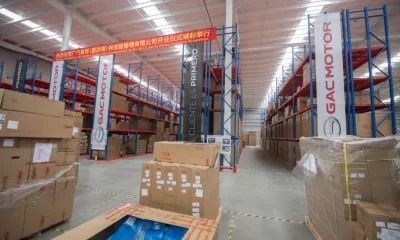
GAC Motor México Inaugura Nuevo Centro de Distribución de Autopartes y Refacciones para Mejorar la Experiencia del Cliente

Conmemorando al Ford Maverick 1973: Un Ícono de la Era Automotriz

Reseña del GAC GN8 2024: Un Lujoso y Controversial Ingreso al Mercado Mexicano
-
 Noticias2 años ago
GAC Motor México Inaugura Nuevo Centro de Distribución de Autopartes y Refacciones para Mejorar la Experiencia del Cliente
-
 Clásicos2 años ago
Conmemorando al Ford Maverick 1973: Un Ícono de la Era Automotriz
-
 Opinión2 años ago
Reseña del GAC GN8 2024: Un Lujoso y Controversial Ingreso al Mercado Mexicano
-

 Noticias2 años ago
Inauguración de la Agencia GAC en Puerto Vallarta: Un Nuevo Horizonte Automotriz
-

 Noticias2 años ago
Geely Starray 2024: Innovación y Estilo Futurista en el Mercado Mexicano
-

 Opinión2 años ago
GAC EMZOOM 2024 – Un Futuro Brillante para el Mercado Mexicano
-
 Noticias2 años ago
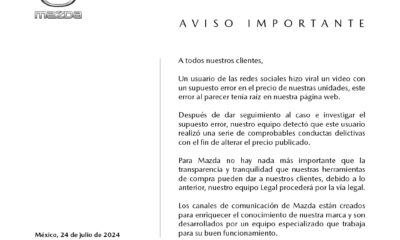
Intento de Compra Fraudulenta en Sitio Web de Mazda Desencadena Acción Legal
-

 Noticias2 años ago
Los Impuestos al Comprar un Auto en México: ¿Una Carga Innecesaria o Una Contribución Justa?